2026 Best Vitamin B3 Supplement for Global Buyers Guide?
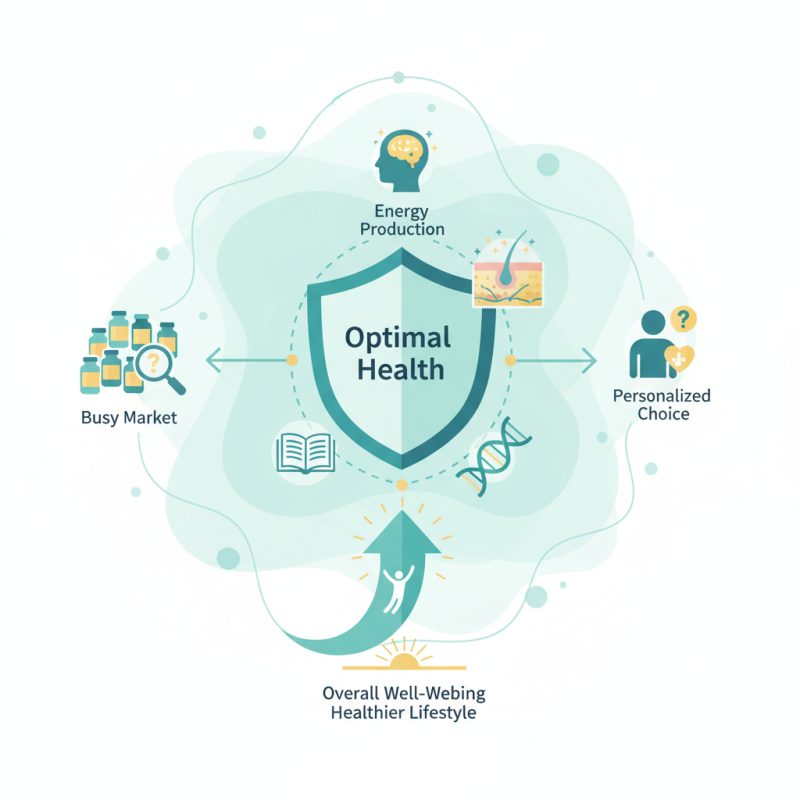
In the pursuit of optimal health, the spotlight shines on Vitamin B3 Supplement, known for its numerous benefits. Dr. Emily Carter, a renowned expert in nutritional science, emphasizes, "Vitamin B3 is essential for energy production and skin health." This statement underlines the significance of incorporating Vitamin B3 into one's daily routine.
Many consumers seek the best Vitamin B3 Supplement to enhance their wellness. However, the market is flooded with options. It can be overwhelming to choose the right product. Some supplements may not meet quality standards or provide the desired effects. Awareness and research become crucial in making informed decisions.
While Vitamin B3 offers potential benefits, individual responses may vary. Some people experience side effects, while others see remarkable improvements. Understanding personal health needs is vital. In the end, the right Vitamin B3 Supplement can make a difference in overall well-being, guiding consumers towards a healthier lifestyle.
Understanding Vitamin B3: Types and Benefits for Consumers
Vitamin B3, also known as niacin, plays a vital role in our health. It exists in two forms: nicotinic acid and niacinamide. Both forms have unique benefits, helping our bodies convert food into energy. This nutrient supports brain health and contributes to optimal cholesterol levels. Many consumers seek to understand how vitamin B3 impacts their daily wellness.
Research suggests that niacin may reduce inflammation and improve skin health. Some individuals notice clearer skin after using niacinamide topically. Yet, high doses of nicotinic acid can cause side effects, like flushing. Consumers should be aware of their daily limits. It’s essential to consult with healthcare professionals before introducing supplements, especially if you have existing health conditions.
Many vitamin B3 supplements on the market vary in quality and effectiveness. Consumers should research formulations and check for third-party testing. An informed decision can make a difference. It's important not to rely solely on supplements. A balanced diet rich in whole foods, like turkey and peanuts, provides natural sources of this nutrient.
Key Health Benefits of Niacin and Niacinamide in Supplements
Niacin, often known as Vitamin B3, is essential for overall health. It plays a critical role in converting food into energy. This nutrient is vital for maintaining healthy skin, nerves, and digestion. Many people overlook its importance. However, adequate intake can lead to significant health improvements.
Niacinamide, a form of niacin, offers unique benefits as well. It supports skin health by reducing redness and improving texture. It is also known for its ability to fight acne. Research suggests that niacinamide can even reduce fine lines. Incorporating it into dietary supplements can enhance overall skin vitality. People may find it beneficial, but results can vary.
Both forms of Vitamin B3 help regulate cholesterol levels. They can decrease bad cholesterol while increasing the good. This balance is crucial for heart health. Adopting a niacin-rich diet may benefit those at risk for cardiovascular issues. Despite the positive attributes, some individuals may experience side effects. It is always wise to consult a healthcare professional before making changes.
Factors to Consider When Choosing a Vitamin B3 Supplement
When choosing a Vitamin B3 supplement, several factors come into play. First, you should know the different forms of Vitamin B3. There are niacin and niacinamide. Each has unique benefits and side effects. Niacin may improve cholesterol levels but can cause flushing. On the other hand, niacinamide typically does not cause this reaction. Understanding these differences is crucial.
Dosage is another important aspect to consider. Many supplements vary widely in strength. Some products may have low dosages, while others contain high amounts. It's vital to choose a dosage that fits your health needs. Consulting a healthcare professional may help you avoid unnecessary risks.
Ingredient sourcing also matters. Quality varies significantly among brands. Third-party testing can provide insights into product purity and potency. Look for supplements that disclose their ingredient origins. Transparency leads to better choices. Remember, not all supplements are created equal. You may have to try a few to find the right one for you.
2026 Best Vitamin B3 Supplement Comparison
Top-Rated Vitamin B3 Supplements: A Comparative Analysis
When exploring the best Vitamin B3 supplements, it's essential to consider multiple factors. The effectiveness of niacinamide and niacin can vary based on individual needs. Some users report better skin health and reduced redness with niacinamide. Others prefer niacin for its potential cholesterol-lowering effects. Both forms play vital roles in metabolic processes.
Quality assurance is crucial in dietary supplements. Always check for third-party testing to confirm ingredient integrity and potency. Not all supplements are created equal; some may lack adequate dosage or purity. Reading user reviews can provide insights into effectiveness and any potential side effects.
Price is another factor to ponder. Higher cost doesn't guarantee superior quality. On the flip side, cheaper options may sacrifice essential ingredients or manufacturing standards. A balanced perspective on pricing, quality, and intended use can guide your choice in Vitamin B3 supplements.
2026 Best Vitamin B3 Supplement for Global Buyers Guide
| Supplement Name | Type | Dosage (mg) | Form | Rating | Price ($) |
| B3 Complex | Niacinamide | 500 | Capsule | 4.8 | 29.99 |
| Pure Niacin | Niacin | 1000 | Tablet | 4.5 | 24.99 |
| Vitamin B3 + Probiotics | Niacinamide | 250 | Softgel | 4.7 | 32.50 |
| B3 Energy Booster | Niacin | 500 | Powder | 4.6 | 19.99 |
| Vitamin B3 Premium | Niacinamide | 500 | Capsule | 4.9 | 34.99 |
Safety, Dosage, and Long-term Effects of Vitamin B3 Supplements
Vitamin B3, also known as niacin, is a vital nutrient with significant health implications. Research from the National Institutes of Health highlights that niacin plays essential roles in energy production and DNA repair. The appropriate dosage can vary significantly. For most adults, the recommended daily allowance is approximately 16 mg. However, some health conditions may necessitate higher doses, potentially leading to side effects. It is crucial to consult with a healthcare provider before increasing intake.
Long-term effects of Vitamin B3 supplements are still under investigation. Some studies suggest that high doses may benefit cholesterol levels but carry risks. Excessive niacin can lead to flushing, liver damage, and gastrointestinal issues. A report from the European Food Safety Authority (EFSA) cautions against self-prescribing high doses without medical supervision. Users may not always recognize early signs of side effects, which complicates proper management. Overall, while Vitamin B3 has notable benefits, its unsupervised use poses potential health risks. Awareness is vital for safe consumption.