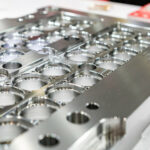
Aluminium CNC Machining at 2026 Canton Fair What to Expect?
As the 2026 Canton Fair approaches, excitement builds within the Aluminium Cnc Machining sector. Esteemed expert Dr. Michael Chen emphasizes, “CNC machining will redefine production efficiency.” This year, the fair will showcase advancements that are revolutionizing the industry.
From April 15 to May 5, attendees can experience cutting-edge technologies. The fair's incorporation of AI for smart navigation will enhance the experience. Buyers can easily find suppliers with required certifications like ISO and CE. This is crucial for ensuring quality and reliability in aluminium machining.
However, challenges persist. Many manufacturers struggle with adapting to rapid technological changes. The need for continuous learning is evident. This fair is not just a platform to showcase products; it's also an opportunity for reflection on how Aluminium CNC Machining must evolve. Engaging with industry leaders at the fair can spark valuable discussions about future trends and necessary adaptations.
CNC Machining Overview: Understanding Aluminium Fabrication Techniques
CNC machining plays a vital role in aluminum fabrication. This technique allows for precise and efficient production of parts. Manufacturers rely on CNC machines to create intricate designs that might be impossible with traditional methods.
Understanding the aluminum fabrication process is crucial. The cutting speed and feed rate must be carefully calibrated for aluminum. Different alloys may require varying approaches. Common challenges include tool wear and material distortion. These issues can affect the final product's quality.
At the upcoming Canton Fair, innovations in CNC machining will highlight these techniques. Attendees should anticipate discussions on software advances, which enable better design simulations. However, issues like cost and maintenance still need consideration. Industry experts will likely address how to balance technology and practical aspects of machining aluminum.
Emerging Trends in Aluminium CNC Machining by 2026
The aluminium CNC machining industry is evolving rapidly. By 2026, businesses can expect significant advancements. Automation will dominate the floor. Machines will operate more independently, improving efficiency. However, reliance on technology might create skill gaps. Workers will need training to adapt to new systems.
Sustainability will also be a key focus. Manufacturers are pushing for eco-friendly materials and practices. This change is essential for reducing environmental impact. Yet, achieving sustainable processes poses challenges. Transitioning from traditional methods requires investment and time.
Customization in machining will rise. Clients want unique solutions tailored to their needs. This trend could, however, overwhelm suppliers. Balancing customization and efficiency will be tricky. Not all manufacturers will keep up with this demand. Ultimately, the landscape will change, but not without hurdles.
Key Players in the Aluminium CNC Machining Sector at the Canton Fair
The 2026 Canton Fair is set to showcase key players in the aluminium CNC machining sector. This industry has been growing steadily. In fact, recent reports indicate a CAGR (Compound Annual Growth Rate) of approximately 5.4% for aluminium machining equipment from 2022 to 2027. It's crucial for attendees to understand this context.
Major manufacturers will likely display cutting-edge technologies and innovative techniques. Precision, speed, and efficiency remain top priorities for these players. Industry insights suggest that automated systems will play a significant role in enhancing productivity. Yet, companies often overlook the importance of workforce training in conjunction with these advancements. Balancing technology with skilled labor remains a challenge.
Notably, sustainability is increasingly at the forefront. Eco-friendly machining processes are becoming vital. This aligns with global trends towards greener manufacturing. However, many companies still grapple with the cost implications of adopting these practices. Suppliers may highlight their efforts, but transparency in actual sustainability measures must improve. Attendees should seek out genuine innovations and ask the right questions.
Aluminium CNC Machining Market Overview at 2026 Canton Fair
Technological Innovations Impacting Aluminium CNC Machining
The landscape of aluminium CNC machining is rapidly evolving. Technological innovations play a pivotal role in this transformation. According to a 2023 market analysis, the CNC machining market is expected to grow by 8% annually through 2027. This underscores the potential of new technologies shaping aluminium machining.
Advanced tools and software are at the forefront. For example, cloud-based CNC solutions enhance real-time collaboration and efficiency. These innovations often lead to fewer errors and reduced production time. Yet, not all companies have adopted these changes. Resistance to technology is still common, especially in smaller enterprises. Training staff to use new systems can be a daunting task.
Additionally, sustainability is becoming a pressing issue. Eco-friendly machining practices are gaining traction. Reports indicate that over 50% of manufacturers seek greener processes by 2025. Still, many struggle to balance cost and sustainability. As we approach the 2026 Canton Fair, these themes will dominate discussions. How industries choose to embrace or resist technological change will determine their future success.
Sustainability and Environmental Considerations in Aluminium Processing
Sustainability in aluminium processing is becoming increasingly crucial. The industry generates significant waste and emissions. According to a report by the International Aluminium Institute, about 16% of global greenhouse gas emissions stem from aluminium production. This statistic underscores the pressing need for a shift toward more sustainable practices.
Innovative techniques are emerging to address environmental challenges. For instance, recycled aluminium uses 95% less energy than primary production. The recycling rate of aluminium is around 75%, showcasing its potential for sustainable practices. However, only 25% of aluminium used ends up recycled. This gap highlights missed opportunities and calls for better recycling systems.
Furthermore, water usage poses another challenge. On average, producing one tonne of aluminium requires 2,000 to 6,000 liters of water. This high demand raises questions about water scarcity in vulnerable regions. Companies must prioritize water stewardship alongside energy efficiency. Striking a balance between production needs and environmental impact is essential. The dialogue around these issues is critical for a greener future in aluminium machining.