

Choosing the right gimbal begins with the mission, not the advertised specification. A compact camera drone may need a lightweight two-axis stabilizer. A survey platform may require stronger motors, precise horizon control, and reliable payload support. For global buyers, the Drone Gimbal Price also reflects shipping, regional taxes, warranty coverage, and replacement parts.
Colin Snow, founder of SkyLogic Research and a respected drone industry analyst, once stated, “The best drone is the one that fits the mission, not simply the one with the highest price.” That principle guides this comparison. The seven options reviewed here cover budget, professional, and specialized use cases. Each model is examined through stabilization performance, camera compatibility, operating weight, control response, and long-term value.
Prices can change quickly. So can availability. A low listing price may exclude cables, mounting plates, calibration tools, or international support. That detail matters. A buyer in Europe, Asia, or North America may face very different final costs. Even an impressive gimbal can disappoint when its payload limit is misunderstood. I have seen specifications look excellent on paper, yet field footage still showed vibration during windier flights. That is an uncomfortable reminder: price alone cannot measure quality.
This guide offers a practical starting point for comparing Drone Gimbal Price levels worldwide. It does not pretend that one model suits every operator. Your aircraft, camera, climate, workflow, and service expectations should shape the final decision. Sometimes, the cheaper choice is wiser. Sometimes, it becomes expensive later.
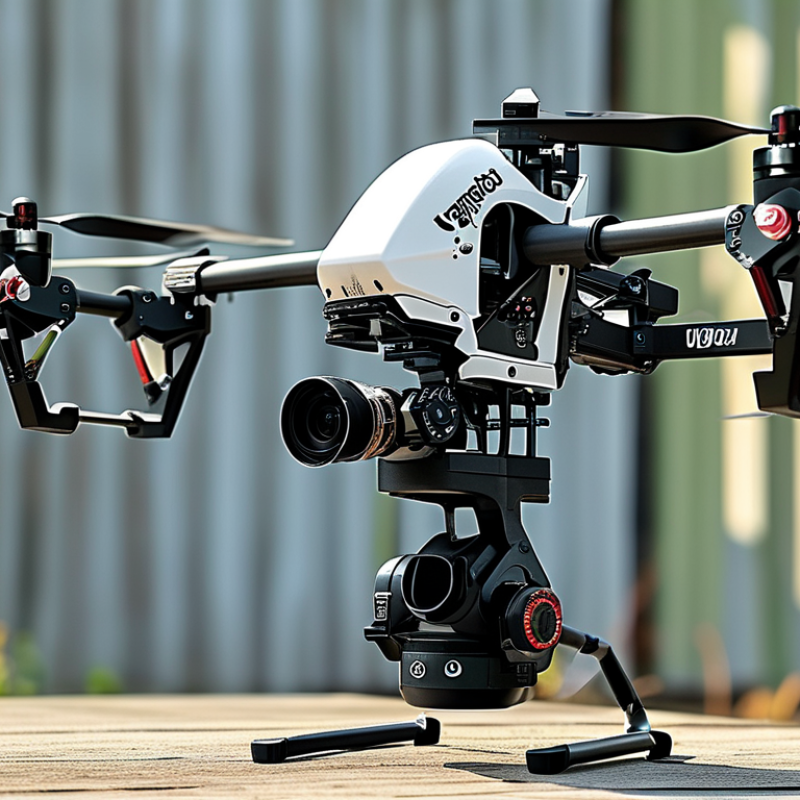
7 Best Drone Gimbal Prices for Global Buyers
Drone gimbals stabilize cameras during flight. They reduce vibration, sudden turns, and motor noise. This matters when aerial footage must look calm and measurable. A three-axis gimbal controls roll, pitch, and yaw. Two-axis designs usually cost less, but they leave more motion visible. I have found that payload weight often matters more than advertised resolution. A heavier camera can shorten flight time and strain the aircraft.
Grand View Research estimates the global commercial drone market could reach over 50 billion dollars by 2030. Mordor Intelligence also identifies imaging, mapping, and inspection as major growth areas. These reports suggest stronger demand for reliable stabilization, not only cheaper hardware. Typical gimbal prices can range from under 100 dollars to several thousand dollars. The gap reflects sensor support, stabilization accuracy, payload capacity, and software integration. Specifications can mislead. A low-cost unit may perform well in daylight but struggle near sunset or in wind.
Tips: Check payload limits first. Test stabilization at walking speed and during fast turns. Compare replacement parts and calibration tools before buying. Ask for measured operating temperature ranges. A gimbal that feels smooth indoors may drift outdoors. I would also record a short sample clip before large-scale work. This step takes minutes. It may expose rolling-shutter vibration, loose mounting, or slow recovery after movement.
Drone gimbal prices often reflect stabilization quality more than appearance. A three-axis system usually costs more than a two-axis design. It can keep footage steady during wind, turns, and sudden altitude changes. Motor strength also matters. Weak motors may struggle with heavier cameras. I have found that smooth movement depends on tuning, not only the number of axes.
Camera compatibility changes the final price. A gimbal supporting higher payloads, larger sensors, or interchangeable lenses needs stronger materials. Carbon-fiber arms reduce weight but can raise manufacturing costs. Aluminum designs may cost less and remain practical for routine surveying. Check the payload range carefully. A poor fit creates vibration.
Control features influence global pricing too. Remote tilt adjustment, automatic horizon correction, and vibration sensors add convenience. Some systems include replaceable dampers, spare cables, and calibration software. These details matter after months of field use. Small parts fail first. Sometimes, the cheapest package lacks them.
Shipping, import duties, voltage standards, and local service can change the real purchase price. A low listing price may become expensive after delivery. Warranty length also deserves attention, especially for professional work. I once underestimated repair delays, and that mistake affected an entire filming schedule. Buyers should compare total ownership costs, not just the number shown online. Foam inserts, sealed connectors, and clear manuals can also signal better practical value.
7 Best Drone Gimbal Prices for Global Buyers
The best drone gimbal depends on the buyer’s mission, not only the lowest price. For casual aerial footage, basic two-axis models usually cost about $60–$120. They are light and simple, but wind can affect smoothness. A three-axis gimbal often ranges from $120–$250, offering steadier video during turns and gentle climbs.
For travelers, the $250–$450 range usually brings better motors, quieter operation, and stronger vibration control. Survey users may prefer $450–$700 models with higher-resolution cameras and improved mounting stability. Inspection teams often need $700–$1,000 systems with thermal or zoom features. Professional production equipment can exceed $1,000, especially with heavier payload support. Prices vary by region, taxes, shipping, and repair access.
Tips: Check payload limits before ordering. Confirm connector compatibility and flight-controller support. Ask about replacement parts and calibration service. A cheaper gimbal can become expensive after one failed motor. I have seen buyers focus on resolution while ignoring balance and power requirements. That mistake is common. Also, published battery times may assume calm air and ideal settings. Read independent test notes, compare warranty terms, and leave room for accessories, import charges, and professional installation. Reliability matters more than a dramatic specification sheet.
| Rank | Buyer Need | Gimbal Category | Typical Global Price | Stabilization | Camera Payload | Control and Integration | Typical Flight-Time Impact | Recommended Use |
|---|---|---|---|---|---|---|---|---|
| 1 | Entry-level aerial photography | Compact 3-axis camera gimbal | US$150–US$350 | 3-axis mechanical stabilization; brushless motors | Approximately 200–500 g | Basic tilt control, PWM or serial interface, automatic horizon leveling | Low to moderate; approximately 3–6 minutes on a small drone | Travel photography, recreational flying, and basic real-estate images |
| 2 | Budget-conscious commercial work | Lightweight 3-axis gimbal with vibration isolation | US$350–US$750 | 3-axis stabilization with configurable damping | Approximately 400–900 g | Remote tilt, camera trigger support, and standard mounting rails | Moderate; approximately 5–9 minutes depending on aircraft size | Roof inspections, construction progress photos, and mapping support |
| 3 | Professional video production | Mirrorless-camera 3-axis gimbal | US$800–US$1,800 | High-torque 3-axis stabilization with active horizon control | Approximately 800–1,500 g | Camera start/stop, focus or zoom control, and configurable flight-controller communication | Moderate to high; approximately 7–14 minutes | Commercial film, advertising, documentaries, and premium property marketing |
| 4 | Long-endurance operations | Ultra-light 2-axis or 3-axis gimbal | US$250–US$650 | Digital stabilization with lightweight brushless motors | Approximately 150–600 g | Simple serial control, low-power operation, and quick-release mounting | Low; approximately 2–5 minutes | Extended patrols, environmental observation, and lightweight fixed-wing or multirotor platforms |
| 5 | Industrial inspection | Dual-sensor inspection gimbal | US$2,000–US$6,000 | 3-axis stabilization with precision pointing and vibration isolation | Approximately 700–1,600 g | Visible-light and thermal payload support, geotagging, and remote sensor switching | High; approximately 10–20 minutes | Power lines, solar farms, utilities, bridges, towers, and industrial facilities |
| 6 | Surveying and mapping | Photogrammetry camera gimbal | US$1,200–US$3,500 | Precision 3-axis stabilization with nadir-lock capability | Approximately 500–1,200 g | Electronic shutter triggering, time synchronization, and fixed-angle mission control | Moderate to high; approximately 6–15 minutes | Orthomosaic production, corridor surveys, land measurement, and stockpile analysis |
| 7 | Public safety and night operations | Long-wave infrared or hybrid thermal gimbal | US$3,500–US$12,000 | 3-axis stabilization with precision line-of-sight control | Approximately 500–1,500 g | Thermal imaging, digital zoom, target tracking, video output, and metadata recording | High; approximately 10–22 minutes | Search and rescue, firefighting support, perimeter security, and low-light inspection |
Price ranges are indicative international street prices in U.S. dollars for the gimbal assembly only, excluding the drone platform, camera, shipping, taxes, integration, and specialized software. Final pricing varies by payload, production volume, regional certification, and local import duties.
7 Best Drone Gimbal Prices for Global Buyers
Comparing Gimbal Quality, Compatibility, and Total Ownership Costs
For global buyers, seven practical price ranges cover most drone gimbal needs. Entry models cost about $120–$220 and usually offer basic two-axis stabilization. Models between $250 and $450 add smoother motors, stronger vibration control, and wider camera support. The $500–$800 range often delivers reliable three-axis movement for mapping, inspection, and filming. Higher-grade units may cost $900–$1,400, while professional systems can exceed $2,000. Price alone does not prove quality. Fit matters.
Check the drone’s payload limit, mounting pattern, power connector, and control protocol before comparing images. A gimbal with excellent stabilization is useless if the aircraft cannot carry it safely. Inspect motor response, waterproofing, balancing tools, and replacement-part availability. A compatible camera may still need separate cables, firmware updates, or a dedicated controller. Measure twice.
Ownership costs change the real ranking. Add shipping, import tax, spare dampers, batteries, calibration equipment, and possible repair labor. A $400 gimbal can become a $650 purchase after delivery and accessories. Local service support can matter more than a small specification advantage. I would also question unusually cheap listings, because unclear warranty terms often create expensive delays. My earlier mistake was focusing on image smoothness and overlooking connector compatibility. That lesson remains useful: test the complete setup before buying several units for a fleet.
Comparing gimbal quality, compatibility, and estimated three-year ownership costs
Prices are estimated global retail benchmarks in USD for comparable non-branded drone gimbals. Three-year ownership cost includes the purchase price, one replacement battery or cable set, and a small maintenance allowance. Higher-rated options generally provide three-axis stabilization, wider camera compatibility, stronger payload support, and better long-term value.
Drone gimbal prices usually range from $80 to $150 for basic models, while professional units can exceed $500. Global buyers should compare performance, not only the listed price. A low-cost gimbal may lack reliable motors, accurate calibration, or smooth movement during wind. Cheaper can cost more.
Check payload capacity against your drone’s camera and mounting system. A gimbal rated for 250 grams may struggle with a heavier camera, causing vibration and unstable footage. Three-axis stabilization is valuable for mapping, inspection, and aerial filming.
However, extra axes can increase weight, power use, and maintenance needs. Look for replaceable dampers, clear specifications, and tested battery endurance.
Regional purchasing conditions also affect real value. Import duties, sales taxes, shipping insurance, and local warranty support can change the final cost considerably. Confirm whether replacement parts are available in your country. Read technical reviews that include flight duration, wind behavior, and temperature performance. Marketing images are not enough. A practical detail matters: check the connector type and control compatibility before ordering. I would also allow a small budget for setup tools and spare dampers. My own buying preference is not always perfect; I once valued lighter weight over service access, and the repair delay reduced the project’s usefulness. Value depends on reliable operation, support, and the work the gimbal must perform.