How to Choose the Best Metal Detector Machine for Beginners?
Choosing the right Metal Detector machine can feel overwhelming for beginners. According to Dr. John Smith, a leading expert in the metal detection industry, "The right tool can make all the difference in your treasure hunting experience." This highlights the importance of making an informed choice.
There are many factors to consider. Beginners often struggle with understanding the features and specifications that matter most. Models vary widely, from basic to advanced. A beginner may not need high-end features, but having a good balance is crucial. It's easy to feel lost in the options available.
When selecting a Metal Detector machine, think about your goals. Will you search for coins, jewelry, or relics? Each type requires different capabilities. Additionally, consider the machine’s weight and ease of use. A poorly chosen model can lead to frustration. Remember, investing a little time in research can enhance your overall experience.
Understanding the Basics of Metal Detectors for Beginners
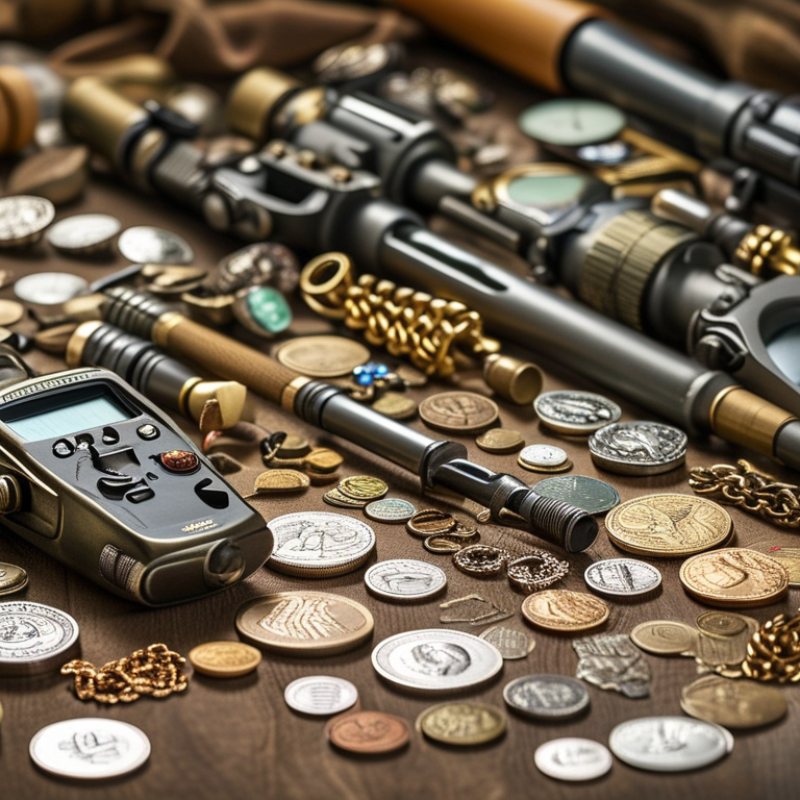
Choosing a metal detector can be daunting for beginners. Understanding the basics is essential for making an informed choice. Metal detectors work by sending out electromagnetic signals. When these signals encounter metal objects, they produce a response. This concept is fundamental for any novice looking to explore this hobby.
Tips for beginners: Start by familiarizing yourself with the various types of metal detectors. Some are designed for specific purposes, such as treasure hunting or beachcombing. Take the time to read reviews and seek guidance from experienced users. Practice using your machine in different environments to see how it performs.
Additionally, pay attention to the features that suit your needs. Consider weight, sensitivity, and depth detection. A lighter machine may be easier for extended use, while sensitivity affects how it detects small items. Don’t be discouraged by initial challenges; learning takes time. Each outing could bring surprises, both good and bad. Remember, patience is key in this rewarding pursuit.
Key Features to Look for in Beginner-Friendly Metal Detectors
Choosing a metal detector for beginners requires attention to certain key features. Simplicity is crucial. Look for models with user-friendly interfaces. Clear instructions and intuitive controls can make the experience enjoyable, especially for those new to the hobby. Additionally, weight matters. A lightweight machine is easier to handle during long searches, reducing fatigue.
Consider the sensitivity and discrimination capabilities. A detector that can differentiate between various metals is beneficial. This feature helps avoid unwanted junk items. Detecting depth is another important aspect. Beginners need machines that can locate objects at reasonable depths without overwhelming complexities. Some detectors offer adjustable sensitivity, which is essential for adapting to different environments.
Lastly, consider the durability of the metal detector. Beginners often face accidental drops or exposure to elements. A robust design can withstand such conditions. While aesthetics may not be the priority, a solid construction ensures longevity. Reflecting on these features can guide you toward making a better choice. Remember, starting simple is key; complexity can lead to frustration.
Key Features to Look for in Beginner-Friendly Metal Detectors
Types of Metal Detectors Suitable for New Users
When selecting a metal detector as a beginner, understanding the types available is essential. There are three main categories to consider: VLF, Pulse Induction, and Multi-Frequency detectors. VLF detectors are great for general use, often suitable for parks and beaches. They are simple to operate and reasonably priced, making them ideal for new users.
Pulse Induction detectors are more advanced. They excel in highly mineralized soils and can go deeper than VLF models. However, their complexity may overwhelm beginners.
Multi-Frequency detectors offer versatility, being effective in various conditions. Yet, they often come with a higher price tag and a steeper learning curve. When choosing a metal detector, it’s useful to evaluate your interests. Are you focusing on coin hunting, relics, or gold prospecting? This can significantly influence your decision.
Consider participating in local clubs or forums for advice. Connecting with experienced users can provide insights and help refine your search for the right device. Remember, every choice has trade-offs. Assessing your needs will lead to a more satisfying metal detecting experience.
Budget Considerations When Choosing a Metal Detector
When choosing a metal detector as a beginner, budget is a vital factor. Many models range from affordable to high-end pricing. Understanding what you can spend is crucial. A lower budget often means fewer features or lower sensitivity. However, you can still find decent options that meet basic needs. Research different models within your range to ensure you’re not overspending on features you might not use.
Consider how often you plan to use the metal detector. If you’re only exploring occasionally, do you need a top-of-the-line model? Sometimes, spending less allows for more practice in the field. You might even find yourself drawn to specific types of detecting over time. It’s essential to plan for any additional costs like accessories or batteries.
Balancing your initial investment with future needs will help you make a wiser decision. Additionally, think about resale value. A well-chosen detector can maintain value and help recoup costs later. It may be beneficial to ask experienced users what they wish they had done differently with their purchases. Reflecting on their experiences can guide you in making a more informed choice, ensuring you select a detector that aligns with both your budget and your detecting ambitions.
Where to Buy and Test Metal Detectors for Beginners
When venturing into the world of metal detecting, knowing where to buy and test equipment is vital for beginners. Local hobby shops are reliable spots. They often have knowledgeable staff who can answer questions. You can feel the detectors firsthand and ask for demonstrations. These interactions help you gauge whether a detector feels right for you.
Online platforms provide another avenue for exploration. Many websites feature user reviews and expert insights. This information can guide your decision-making. However, sometimes reviews may be biased or incomplete. Visiting community forums is beneficial too. Connecting with seasoned metal detectorists offers real-world advice. Keep in mind that not all recommendations will suit your personal needs.
Testing a metal detector before purchasing is essential. Many shops allow you to try them around their premises. However, if you're unable to visit a store, consider renting first. This step helps you avoid making impulsive decisions that may not align with your objectives. Reflect on your experiences after each test. Evaluate what worked well and what didn't. This process enhances your understanding and builds confidence in your choice.
How to Choose the Best Metal Detector Machine for Beginners?
| Feature | Description | Price Range ($) | Best For |
| Weight | Lightweight detectors are easier to handle for extended periods. | 100 - 300 | Beginners |
| Detection Depth | Depth range varies; important for treasure hunting. | 150 - 500 | Intermediate users |
| Sensitivity | Higher sensitivity detects smaller items. | 200 - 600 | All users |
| Ground Balance | Adjustable ground balance improves detection. | 250 - 700 | Advanced users |
| Water Resistance | Allows for underwater searching. | 300 - 800 | Beach and underwater use |