2026 Best Stamping Die Punches for Quality Manufacturing?
In the realm of quality manufacturing, the choice of stamping die punches is crucial. Industry expert, Dr. Emily Hart, emphasizes the importance of precision, stating, "A reliable stamping die punch can significantly influence product quality." With increasing demands for precision in manufacturing, selecting the right tools becomes paramount.
Today, the market offers a variety of stamping die punches. Each option presents unique benefits and challenges. For instance, some punches excel in durability but may fall short in adaptability. Others might provide versatility but wear out quickly. Understanding these nuances is essential for manufacturers aiming for excellence.
As we explore the best stamping die punches of 2026, it is vital to consider these complexities. Selecting the right punch may seem straightforward, but it requires a deep understanding of production needs. Many manufacturers often overlook this crucial aspect, leading to inefficiencies. The landscape of stamping die punches is evolving. Adapting to these changes is necessary for any manufacturer looking to enhance quality while reducing costs.
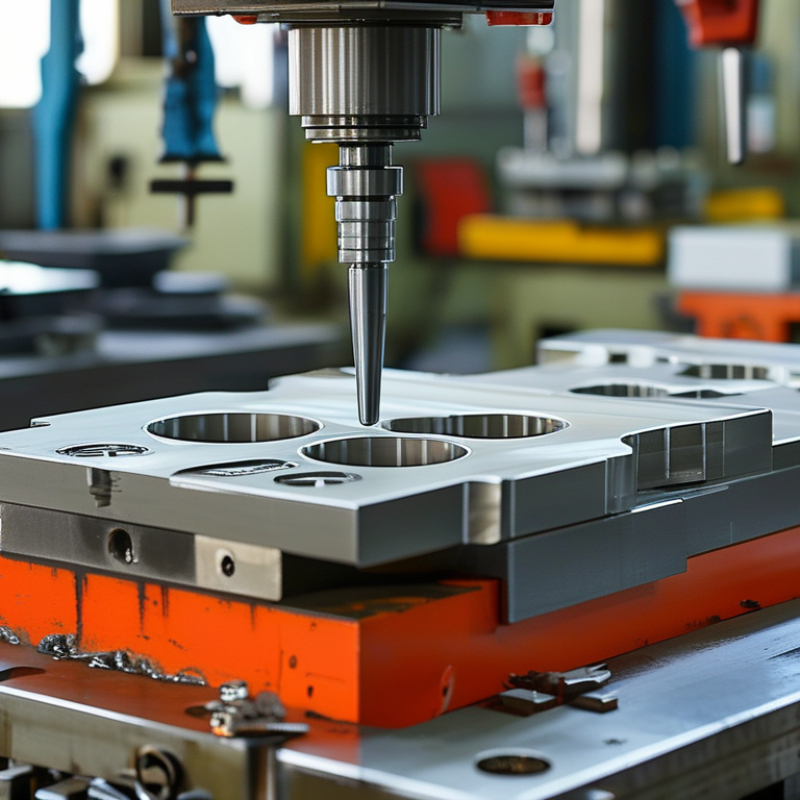
Overview of Stamping Die Punches in Manufacturing
Stamping die punches are essential in manufacturing processes. They allow for precision and efficiency in creating parts from various materials. Understanding the basics of stamping die punches helps manufacturers choose the right tools for their specific needs.
Quality stamping die punches can significantly impact production outcomes. They facilitate accurate cuts and consistent shapes. A well-designed punch ensures that the material is processed uniformly. However, not all punches perform equally. Manufacturers often face challenges with wear and tear over time, leading to inconsistencies in production. Regular maintenance and evaluation of tools are crucial.
Investing in quality tooling is key to manufacturing success. Yet, budget constraints can limit options. It's important to strike a balance between cost and quality. Conducting thorough research and consulting with experts can guide decision-making. Assessing the long-term benefits of quality punches may outweigh initial costs. Ultimately, the right stamping die punch can enhance productivity and reliability in manufacturing processes.
Key Features to Look for in Quality Stamping Die Punches
When selecting quality stamping die punches, key features are essential for optimal manufacturing processes. Precision is the cornerstone of any efficient operation. A recent industry report highlighted that organizations emphasizing precision in their manufacturing saw a 30% increase in production efficiency. This underscores the necessity of investing in die punches that deliver exact tolerances and reliable performance.
Material quality is another crucial aspect. Punches made from high-grade tool steel offer durability and resistance to wear. According to a study by the Manufacturing Industry Association, dies crafted from premium materials outlast standard options by as much as 50%. This durability translates into reduced downtime and lower replacement costs, impacting overall profitability.
Finally, consider the design and adaptability of stamping die punches. A versatile punch can handle various materials and thicknesses, crucial for dynamic manufacturing environments. The same study revealed that companies utilizing adaptable designs improved production flexibility, which is vital in today’s fast-paced market. Focusing on these elements can lead to transformative impacts on manufacturing quality and efficiency.
Top Brands in the Stamping Die Punch Market for 2026
The stamping die punch market is evolving rapidly. As we approach 2026, new brands are emerging, each offering unique features. Quality manufacturing is paramount for industries relying on precision machining. A great punch can streamline production processes, ensuring consistency and accuracy.
Selecting a reliable brand is crucial. Look for manufacturers that prioritize durable materials and innovative designs. Their experience in the field can often reflect in the longevity of their products. However, not all brands meet these expectations. Some may focus on aesthetics over functionality. This imbalance can lead to issues like premature wear or inefficient performance.
It’s essential to stay updated on brand reputation. Read user reviews and ask for recommendations. The right tool can enhance productivity, but not every option is worth the investment. As new technologies emerge, the industry continues to shift. Balancing cost, quality, and innovation will be the challenge—and opportunity—for manufacturers in 2026.
Comparative Analysis of Different Types of Stamping Die Punches
When it comes to stamping die punches, understanding the differences is essential for quality manufacturing.
Each type of punch serves unique purposes. The most common include traditional punches, progressive dies, and compound dies.
Traditional punches are versatile but may not always provide the precision needed for intricate designs.
Progressive dies excel in high-volume production but require a significant upfront investment.
Compound dies offer a balance between complexity and cost, yet they may face limitations in flexibility.
Choosing the right punch involves analyzing your specific needs. Are you focused on volume, precision, or versatility?
It's crucial to weigh these factors. Sometimes, the most popular choice is not the best fit.
For example, a progressive die may seem ideal for mass production but could lead to higher scrap rates if not executed correctly.
For effective decision-making, consider testing different punches with small batches before full production.
This will help identify any potential issues early. Additionally, maintaining regular inspections can save time and resources in the long run.
Developing a deeper understanding of each type will enhance overall production quality.
Maintenance Tips for Ensuring Longevity of Stamping Die Punches
Proper maintenance of stamping die punches is crucial for ensuring their longevity and performance. Regular cleaning is essential to remove debris and prevent rust. Keeping the punches lubricated reduces friction during operation, which can lead to wear and tear. It’s beneficial to use a suitable lubricant designed for metal components. Over time, even the best punches can experience dullness, affecting precision. Periodic sharpening will help maintain their cutting capability.
Inspecting for wear is another important aspect of maintenance. Look for any signs of chipping or deformation. If damage is detected, consider replacing the affected components promptly. Neglecting this can lead to larger operational issues. Training staff to carry out these checks creates a culture of care.
Finally, storing punches correctly extends their lifespan. Use padded storage solutions to prevent impact damage. Avoid stacking them haphazardly, as this can cause misalignment. Consider labeling storage areas for easy identification. While it's easy to overlook small details, these practices can lead to significant improvements in punch longevity. Investing time in these processes pays off in the long run.
2026 Best Stamping Die Punches for Quality Manufacturing
| Punch Type |
Material |
Diameter (mm) |
Max Force (kN) |
Life Cycle (Shots) |
Maintenance Tips |
| Round Punch |
HSS |
10 |
50 |
1,000,000 |
Lubricate regularly; Inspect for wear. |
| Rectangular Punch |
Tool Steel |
20 x 10 |
70 |
800,000 |
Keep clean; Avoid sudden impacts. |
| Custom Profile Punch |
Carbide |
Varies |
100 |
500,000 |
Store in a dry place; Regularly check alignment. |
| Multi-Station Punch |
Aluminium |
15 |
60 |
750,000 |
Monitor punch load; Ensure proper setup. |