What is Carbon Extrusion and How Can It Benefit Your Business?
Carbon Extrusion is an innovative manufacturing process that shapes materials under high pressure. This technique primarily involves the use of carbon-based materials, which have gained significant traction in the industry. According to a recent report by Grand View Research, the global carbon black market is expected to reach $21.26 billion by 2025, indicating a strong demand for carbon-infused products. Companies across various sectors are beginning to leverage Carbon Extrusion to improve product performance and reduce production costs.
The benefits of Carbon Extrusion extend beyond merely shaping materials. It enhances the mechanical properties of products, making them stronger and more durable. As reported by the American Society for Testing and Materials, products made with extruded carbon materials have shown a 30% increase in tensile strength compared to traditional methods. This advancement can substantially elevate a company's competitive edge. However, businesses must also consider potential challenges, such as sourcing quality carbon materials and adapting existing production lines.
With a thorough understanding of Carbon Extrusion and its intricate processes, businesses can navigate these challenges effectively. Integrating this technology not only streamlines production but also positions companies to meet the evolving demands of the market. Continuous evaluation and adaptation will be crucial in harnessing the full potential of Carbon Extrusion.
What is Carbon Extrusion and Its Overview
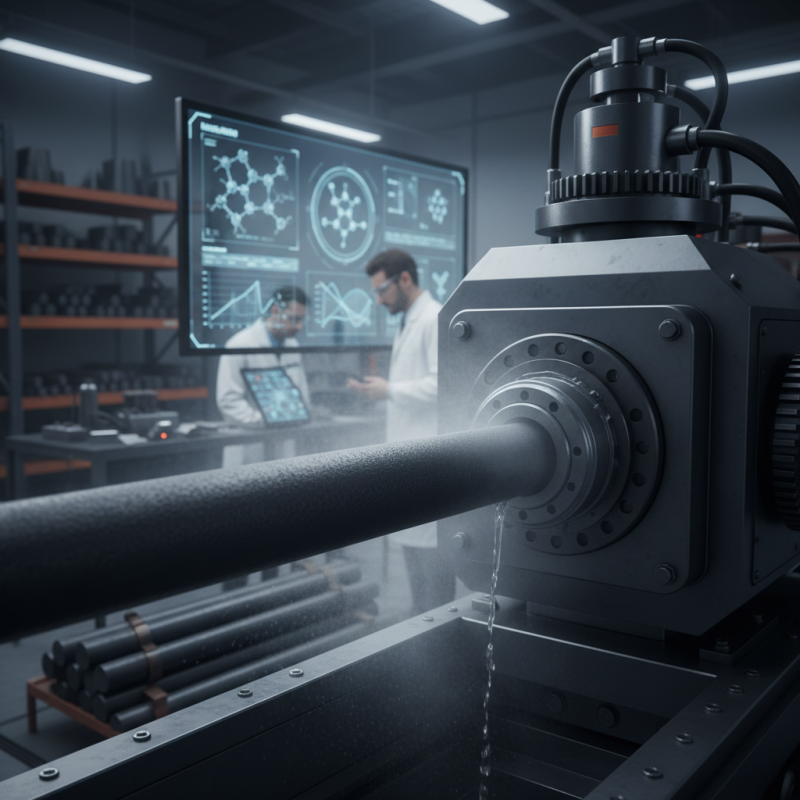
Carbon extrusion is a manufacturing process used to create carbon-based products. This technique involves forcing carbon-filled materials through a die to form specific shapes. It often results in lightweight but strong components. Industries like automotive, aerospace, and consumer goods benefit from this process.
The process begins with raw materials, such as carbon black and polymers. These materials are combined and heated until they become malleable. Then, they are extruded through a die to create desired profiles. The final products are often durable and resistant to extreme conditions. However, achieving consistent quality can be challenging. Variations in material properties or processing conditions can lead to defects.
Despite its challenges, carbon extrusion can offer significant benefits to businesses. It allows for rapid production and customization of parts. Furthermore, the strength-to-weight ratio of carbon extrusions can lead to lighter end products. These products can improve energy efficiency in applications like automotive parts. Businesses can stay competitive by adopting this innovative manufacturing technique.
The Process of Carbon Extrusion Explained
Carbon extrusion is a specialized manufacturing process that shapes carbon-based materials into desired forms. Understanding this process can provide valuable insights into its benefits for various industries. Typically, carbon extrusion involves heating carbon materials until they become malleable. The material is then forced through a die, allowing it to take on the desired shape. This method is favored for its efficiency and ability to produce complex geometries with precision.
Industry reports indicate that the carbon extrusion market is projected to grow significantly. In fact, research shows that the global carbon materials market could reach $5 billion by 2025, driven largely by the demand for lightweight composite materials. Carbon extrusions are not only strong but also lightweight, making them ideal for applications in aerospace and automotive sectors. However, there are challenges. Variability in raw material quality can impact product consistency. Proper quality control measures are essential to mitigate these risks.
Moreover, carbon extrusion generates less waste compared to traditional machining methods. By utilizing optimal material usage, businesses can improve sustainability. While the initial investment in extrusion technology can be substantial, the long-term benefits of reduced waste and enhanced production efficiency often outweigh these costs. Companies must weigh these factors when considering carbon extrusion as a viable solution for their manufacturing needs.
What is Carbon Extrusion and How Can It Benefit Your Business?
| Dimension | Details |
| Process Name | Carbon Extrusion |
| Materials Used | Carbon Fiber, Thermoplastics |
| Products Created | Composite Components, Tubes, Sheets |
| Applications | Aerospace, Automotive, Sports Equipment |
| Benefits | Increased strength-to-weight ratio, Customizable Shapes, Cost Efficiency |
| Environmental Impact | Recyclable Materials, Reduced Waste |
Key Applications of Carbon Extrusion in Various Industries
Carbon extrusion is increasingly vital in various industries due to its versatility. This process involves heating carbon materials and forcing them through a die to create specific shapes. In construction, carbon extrusions provide lightweight yet strong components. This is crucial as global trends indicate a push for sustainable materials. According to a recent report from the International Energy Agency, the construction sector could reduce emissions by up to 30% through such innovations.
In the automotive industry, carbon extrusion helps in manufacturing lightweight, high-strength parts. These components improve fuel efficiency and reduce emissions. The National Highway Traffic Safety Administration reports that lighter vehicles can save around 2.2 billion gallons of fuel annually. These figures highlight the importance of advanced materials. The continuous evolution of carbon extrusion technology can lead to greater efficiency and sustainability in vehicle production.
The aerospace industry also benefits significantly from carbon extrusion technology. Lightweight structures are crucial for aircraft efficiency. The Federal Aviation Administration emphasizes that even small weight reductions result in substantial fuel savings. However, challenges remain. The manufacturing process must refine to consistently produce quality parts. Companies must invest in research to overcome existing limitations in precision and scalability.
Benefits of Carbon Extrusion for Businesses
Carbon extrusion is a process that can enhance various manufacturing operations. It involves shaping carbon materials into specific profiles through high pressure. This technique can provide significant benefits to businesses looking to improve efficiency and product quality.
One major advantage of carbon extrusion is reduced material waste. Unlike traditional machining methods, extrusion minimizes off-cuts. This can lead to lower production costs over time. Companies focusing on sustainability will find this appealing. Another benefit is the uniformity in product dimensions. Consistent quality means reduced variability in final products. This can enhance customer satisfaction and trust.
Tips for implementing carbon extrusion include investing in proper machinery. High-quality equipment ensures better extrusion results. Regular maintenance of the machinery is crucial as well. This can prevent costly downtime and prolong the equipment's lifespan. Lastly, consider training staff adequately. Experienced operators can optimize the extrusion process and avoid common pitfalls. These investments in expertise and technology can lead to long-term benefits.
Comparing Carbon Extrusion with Other Manufacturing Methods
Carbon extrusion is a unique manufacturing process that offers distinct advantages over traditional methods. Unlike injection molding or machining, it allows for higher production rates and reduced material waste. The process pushes carbon-based materials through a die to create precise shapes, making it ideal for components requiring uniformity and consistency.
Comparing carbon extrusion with other methods, one can identify both strengths and weaknesses. While extrusion excels in volume production, it may lack the versatility seen in machining. Customization options can be limited due to the inherent nature of the die design. Furthermore, temperature control during extrusion can be tricky, leading to potential quality issues if not managed carefully.
Every manufacturing method comes with its challenges. For carbon extrusion, understanding the material properties is crucial. Different resin formulations can alter the extrusion outcome. This means that rigorous testing may be necessary, adding time and cost to the production process. Recognizing these nuances can improve final product quality and enhance overall project efficiency.