China Best Injection Tooling Solutions for Efficient Manufacturing?
In the realm of modern manufacturing, efficient solutions are paramount. Injection tooling plays a critical role in making this efficiency achievable. Renowned expert Dr. Emily Wang states, “Effective injection tooling can drastically improve production speed and reduce costs.” This insight underscores the importance of optimized tooling in the manufacturing process.
China has emerged as a leader in the injection tooling sector. The country offers advanced technologies and skilled labor, driving innovation and efficiency. Yet, this rapid growth presents challenges. Many manufacturers struggle to balance quality and speed in their production lines. Understanding these dynamics is essential for leveraging the full potential of injection tooling.
Moreover, continuous improvement and adaptation in injection tooling practices are necessary. As the industry evolves, so do the techniques and materials. Manufacturers must stay informed about the latest advancements. Striving for excellence in injection tooling means acknowledging areas for growth and development.
Overview of Injection Tooling in China
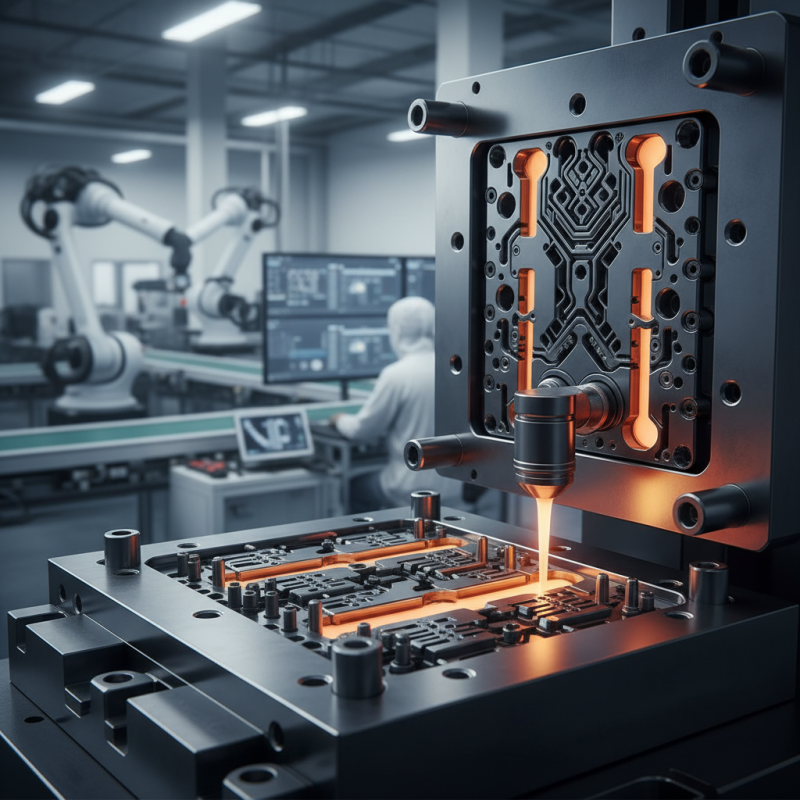
Injection tooling in China has become a pivotal aspect of modern manufacturing. The country has a vast landscape of industrial capacity and skilled labor. Manufacturers often rely on injection tooling for efficiency and precision in creating complex parts. With the growing demand for innovation, the tooling industry must adapt quickly to emerging technologies and market changes.
Chinese manufacturers are known for their ability to produce tools at scale. However, quality control remains a pressing concern. It is essential to find a balance between cost and the durability of the tooling solutions. Many companies struggle with over-relying on low-cost materials, which can lead to premature wear and failure. Addressing these challenges requires a commitment to rigorous testing and quality assurance.
Moreover, advancements in automation and CAD software are reshaping the injection tooling landscape. Effective implementation of these technologies can significantly enhance production speed and accuracy. Yet, a lack of technical expertise in some regions presents a setback. Ongoing training and investment in skilled personnel are critical. The future of injection tooling in China will depend heavily on navigating these complexities while maintaining competitiveness in a global market.
Types of Injection Tools Used in Manufacturing
Injection molding is essential in manufacturing. Various types of injection tools are used to create products efficiently. Understanding these tools is crucial for manufacturers.
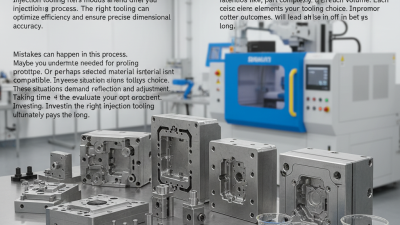
One common type is the injection molding machine. This machine melts plastic pellets and injects them into molds. The process is quick, allowing for high production rates. However, accuracy is key. Mismatched molds can lead to defective products. Regular maintenance and careful calibration are vital to avoid these issues.
Another significant tool is the mold itself. Molds can be made from steel or aluminum. They determine the product's final shape and detail. A poorly designed mold can cause long-term inefficiencies. Designers must focus on both functionality and ease of production. This balance requires expertise. The best practices in mold design promote longevity and reduce waste, but not all designs meet these standards initially. Continuous improvement is necessary for success in the injection molding industry.
Key Factors Driving Efficiency in Injection Tooling
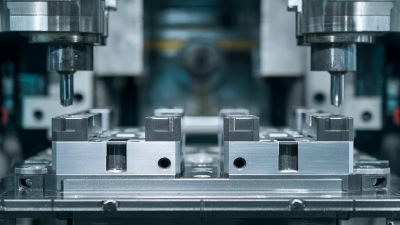
In the realm of injection tooling, efficiency is paramount. Several key factors drive this effectiveness, making the manufacturing process smoother and more reliable. One of these factors is meticulous design. A well-engineered mold can greatly reduce production times and defects. Efficiency in design must incorporate ease of maintenance as well. Tools should allow for quick adjustments and repairs.
Material selection is also crucial. The right materials can enhance durability, reducing wear and tear over time. For instance, using high-quality steel can ensure longer-lasting molds. This is not always intuitive; sometimes, managers overlook materials in favor of cost. However, cheaper materials may lead to more frequent replacements, ultimately increasing costs.
Tip: Regular training for staff can boost efficiency. Well-informed employees are more adept at spotting and resolving issues quickly.
Another essential factor is the optimization of machinery. Upgrading to state-of-the-art machines can improve precision and speed. Yet, investing in technology requires a clear understanding of needs. A machine that does not match production goals can waste resources.
Tip: Conducting periodic assessments of machinery helps identify areas for upgrade or replacement. This fosters a culture of continuous improvement.
By focusing on these elements, manufacturers can enhance their injection tooling efficiency, ultimately leading to better overall production outcomes.
Leading Chinese Companies in Injection Tooling Solutions
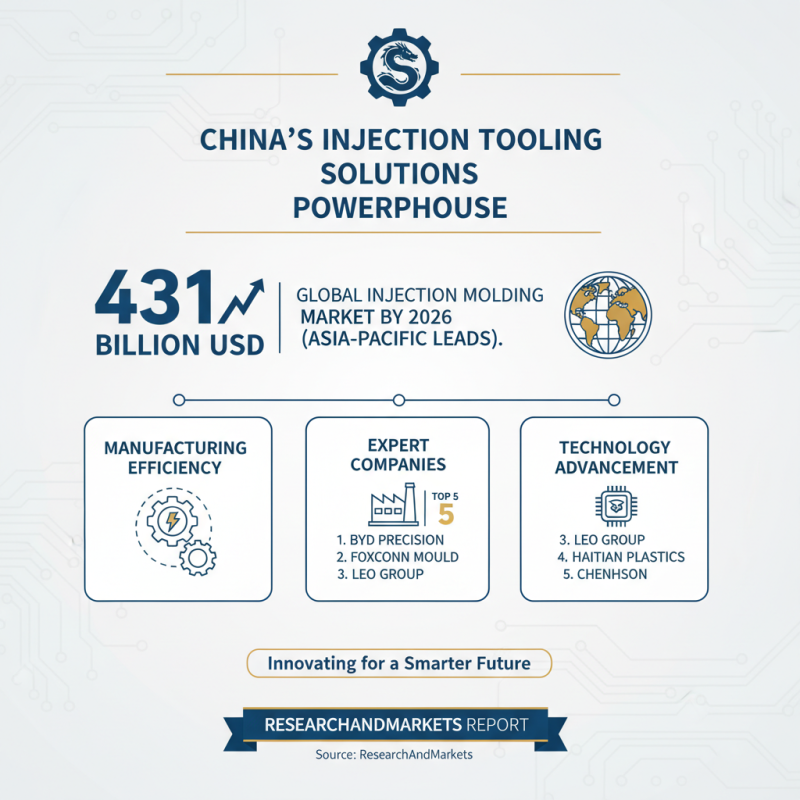
China has become a powerhouse in injection tooling solutions, enhancing manufacturing efficiency. Various leading companies in the region have established themselves as experts in this field. According to a report by ResearchAndMarkets, the global injection molding market is expected to reach $431 billion by 2026, with Asia-Pacific as a significant contributor.
One key player in the industry is the continual investment in advanced technology. Many companies focus on precision engineering and innovative materials. This leads to improvements in production speed and product quality. However, challenges remain in managing supply chain disruptions and maintaining sustainability. Companies need to adapt to changing demands while ensuring their processes are eco-friendly.
**Tip:** Always consider the balance between cost and quality. A lower-cost solution may sacrifice long-term performance.
Efficient tooling upgrades can also significantly impact manufacturing timelines. Data from Plastics Today indicates that changing tooling design can reduce cycle times by up to 30%. Yet, businesses often overlook the importance of post-production assessments. Continuous feedback loops can help refine processes and identify areas for improvement.
**Tip:** Regularly review tooling performance. Small tweaks can lead to significant savings and efficiency gains.
Future Trends in Injection Tooling for Efficient Manufacturing
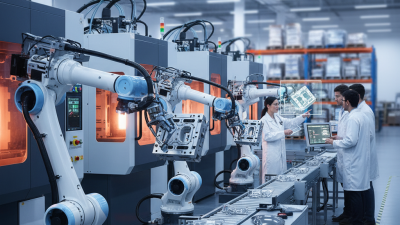
The landscape of injection tooling is evolving rapidly, reflecting advancements in technology and changing manufacturing needs. Automation is one significant trend. Automated processes are reducing human error and increasing precision. These systems can operate round the clock, boosting efficiency. However, reliance on automation poses a challenge—it requires skilled operators to oversee and maintain these machines.
Another critical trend is the shift towards sustainable materials. Manufacturers are increasingly exploring bioplastics and recyclable options. This transition is vital as it addresses environmental concerns. Yet, compatibility issues between new materials and existing tooling systems often arise, requiring careful reconsideration and adaptation of design strategies.
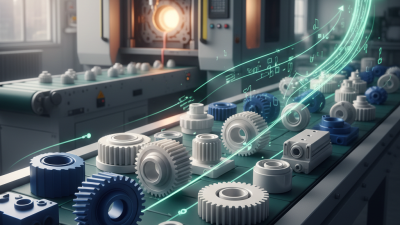
Moreover, the digitalization of injection tooling is transforming workflows. Advanced simulation software enables manufacturers to test designs virtually, saving time and resources. While beneficial, this technology demands a steep learning curve. As manufacturers adapt to these innovations, the focus on continuous training becomes essential. Balancing these advancements with traditional practices remains a constant challenge in the industry.