How to Choose the Best Eco-Bike for Your Needs?
Choosing the right Eco-Bike can significantly impact your riding experience and sustainability goals. According to Dr. Emily Green, an expert in sustainable transport, "An Eco-Bike can transform your commute and reduce your carbon footprint." Understanding the factors that influence your choice is vital for making an informed decision.
Many users overlook key aspects when selecting an Eco-Bike. For instance, battery life, weight, and type of terrain are critical considerations. A bike that suits urban commuters might not be ideal for off-road enthusiasts. Therefore, knowing your typical riding conditions helps narrow down options.
Test rides are crucial. They reveal how a bike feels and whether it meets your needs. It's easy to be misled by specifications alone. Engaging with local bike shops can further ensure you find the best fit. Remember, choosing an Eco-Bike is not just about going green; it’s about enhancing your lifestyle.
Understanding Your Eco-Bike Needs and Preferences
Choosing the right eco-bike can be challenging. Start by assessing your commuting needs. How far do you travel daily? Short distances might work well with a folding bike, while longer routes may require a more robust model. Consider the terrain, too. Will you navigate city streets or tackle rough trails?
Think about your preferences. Do you want a lightweight option for easy handling? Or, perhaps, a bike with added storage for groceries? Riding comfort is essential as well. Test different styles and saddle types to see what fits best.
Your lifestyle plays a significant role in this decision. If you have limited space, a compact design is best. If you enjoy weekend adventures, choose a bike that accommodates accessories like racks or baskets. Reflect on what features matter most to you, and don't hesitate to alter your choices as your needs evolve.
Types of Eco-Bikes: Electric, Hybrid, and More
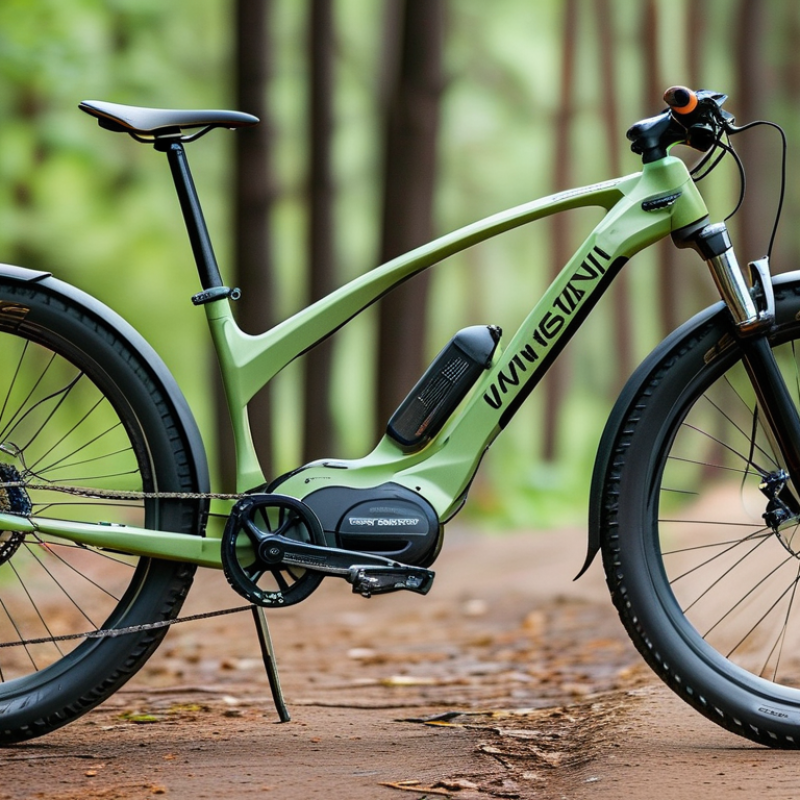
When it comes to choosing the right eco-bike, understanding the types available is crucial. Electric bikes are among the most popular options. They provide a motor that assists with pedaling, making uphill rides easier and extending the range of your journeys. These bikes can be perfect for commuting or leisurely rides. Many models offer a variety of power settings, catering to different preferences and fitness levels.
Hybrid bikes blend features from traditional bicycles and electric models. They often combine lightweight frames with the option for electric assistance. This versatility makes them suitable for various terrains, whether you're navigating city streets or venturing onto rugged paths. However, consider that hybrids may lack the speed of dedicated electric bikes on longer rides.
Lastly, folding bikes have gained traction among urban dwellers. Their compact design allows for easy storage and transport. While they may not have the same power as electric models, they are convenient. Think about your daily routines and where you'll store the bike. Each type has pros and cons, and your choice should align with your lifestyle. Exploring your options is essential; don't rush the decision.
How to Choose the Best Eco-Bike for Your Needs?
| Type of Eco-Bike | Range (Miles) | Top Speed (mph) | Weight (lbs) | Price Range ($) |
| Electric Bike | 20-100 | 20-28 | 40-70 | 500-4000 |
| Hybrid Bike | 30-60 | 15-25 | 25-40 | 300-1500 |
| Folding Bike | 15-30 | 12-20 | 26-35 | 200-1200 |
| Cargo Bike | 20-50 | 15-25 | 60-90 | 800-5000 |
| Mountain Bike | 20-40 | 15-30 | 28-45 | 400-3000 |
Key Features to Consider When Choosing an Eco-Bike
When choosing the best eco-bike, consider key features that align with your lifestyle. Battery capacity is crucial. A report by the Electric Bike Association indicates that bikes with at least 400Wh are ideal for daily commutes. This capacity typically offers a range of 20 to 40 miles, depending on terrain and rider weight. Remember, a battery that's too small may leave you stranded, while an oversized one can add unnecessary weight.
Weight is another important factor. Many riders prefer bikes under 50 pounds for easier handling and transport. Opt for lightweight materials like aluminum or carbon fiber. However, they often come at a premium. An affordable model may lack durability. Lastly, consider the bike's motor. A mid-drive motor typically provides better torque, especially on inclines, according to industry insights. However, these can be more complex to maintain than hub motors.
Find the right balance between features and your budget. Evaluate how often you’ll ride and the typical terrain. It’s worth noting that while some bikes excel on flat roads, they may struggle on hills. Keep in mind, overspending on features you won’t use is common. Reflect on your actual cycling needs instead of getting swayed by trends.
Assessing Your Budget for the Ideal Eco-Bike
When considering an eco-bike, your budget plays a critical role. Determine how much you are willing to spend. Prices for eco-bikes vary widely. You might find options from a few hundred to several thousand dollars. Keep in mind that higher costs often mean better features and durability. However, a high price doesn’t always guarantee the best quality.
Analyze what features are essential for your lifestyle. For example, consider battery life, frame material, and maintenance costs. A more economical option may lack advanced features but serve basic commuting needs. Think about potential repairs and long-term upkeep too. An eco-bike that fits your budget now may need extra funds later for repairs or replacements.
Don’t forget about hidden costs. Think about accessories like helmets, locks, and lights. Budgeting for these can affect your total price. Reflect on whether you can stretch your budget for added safety and comfort. Strive for a balance between cost and quality while prioritizing your transportation needs.
Where to Buy and Test Eco-Bikes Before Making a Purchase
When considering eco-bikes, understanding where to buy and test them is crucial. Many communities now embrace dedicated eco-bike stores. According to a report by the Cycling Industry Council, eco-bikes account for nearly 30% of bike sales in the U.S. This trend implies a diverse range of models to choose from.
Local bike shops often provide test rides. Taking a bike for a spin helps you assess comfort and performance. Pay attention to how it feels on various terrains. Many shops now offer virtual reality testing options too. This tech can simulate rides before you commit.
Tip: Consider visiting multiple stores. Each may offer unique options. Research customer reviews for insights. Also, factor in bike weight and battery life. Industry data shows that bikes weighing under 50 pounds with a 50-mile range are becoming increasingly popular among users. Be sure to check warranty terms. Reliability is crucial when investing in an eco-bike.