How to Choose Injection Mold Inserts for Your Project?
Choosing the right injection mold inserts is crucial for the success of your project. These components play a significant role in determining the final product's quality and efficiency. They come in various shapes and sizes, tailored for specific applications and materials. Understanding how to select suitable inserts can save time and resources.
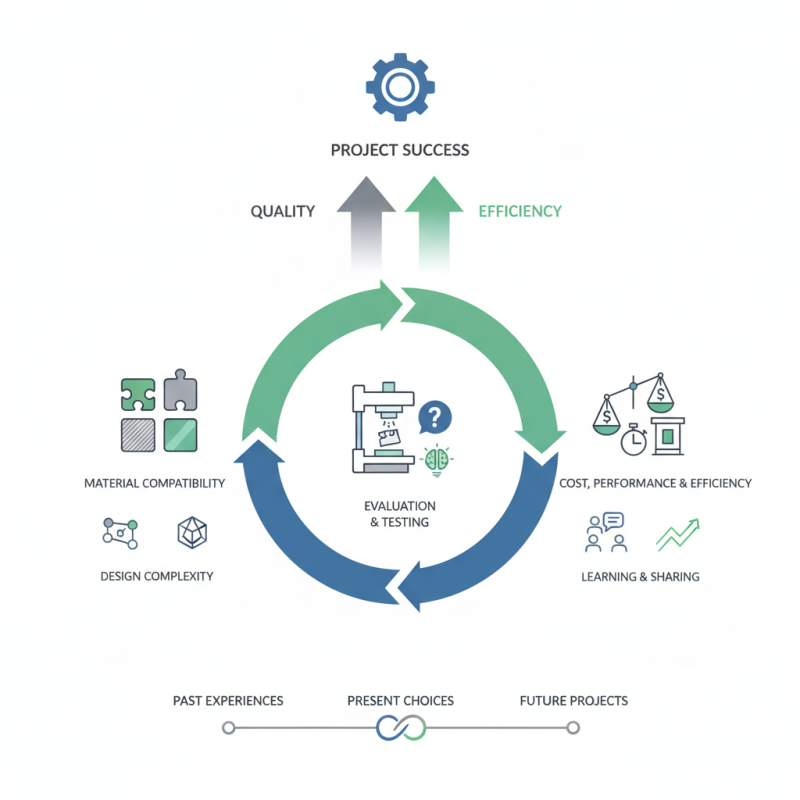
When deciding on injection mold inserts, consider factors like material compatibility and design complexity. Each insert affects the molding process differently. Sometimes, a particular choice may lead to unexpected results. Reflecting on past experiences may help identify potential pitfalls. It is essential to test your choices, as not every insert works for all scenarios.
Ultimately, choosing the right injection mold inserts requires careful evaluation. It involves balancing cost, performance, and production efficiency. Share your experiences with others. Learning from mistakes and successes can guide better decisions in future projects.
Understanding Injection Mold Inserts and Their Importance
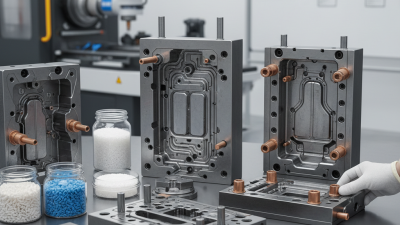
Injection mold inserts play a crucial role in the molding process. They help create detailed and precise shapes in a variety of materials. Understanding these inserts is essential for any project involving injection molding. They can enhance the quality of the final product significantly.
Choosing the right insert is not always a straightforward task. Factors like material type, shape complexity, and production volume must be considered. A poorly chosen insert can lead to defects, increased cycle time, and higher costs. Experimentation may be necessary to find the perfect fit for each specific project.
The importance of mold inserts is often underestimated. They can make or break the overall success of a project. Attention to detail is required to select the ideal design. Even tiny changes in the insert can impact the final result. Continuous evaluation and adjustments are vital in this process. Embracing this complexity can lead to better outcomes and a more successful mold design.
Key Factors to Consider When Choosing Injection Mold Inserts
Choosing the right injection mold inserts for your project can be crucial. You should consider several key factors that impact performance and compatibility. Material choice is often the first step. Different materials can yield various surface finishes and durability levels. Always think about the end-use. A part subjected to high stress requires a different insert than one for aesthetic purposes.
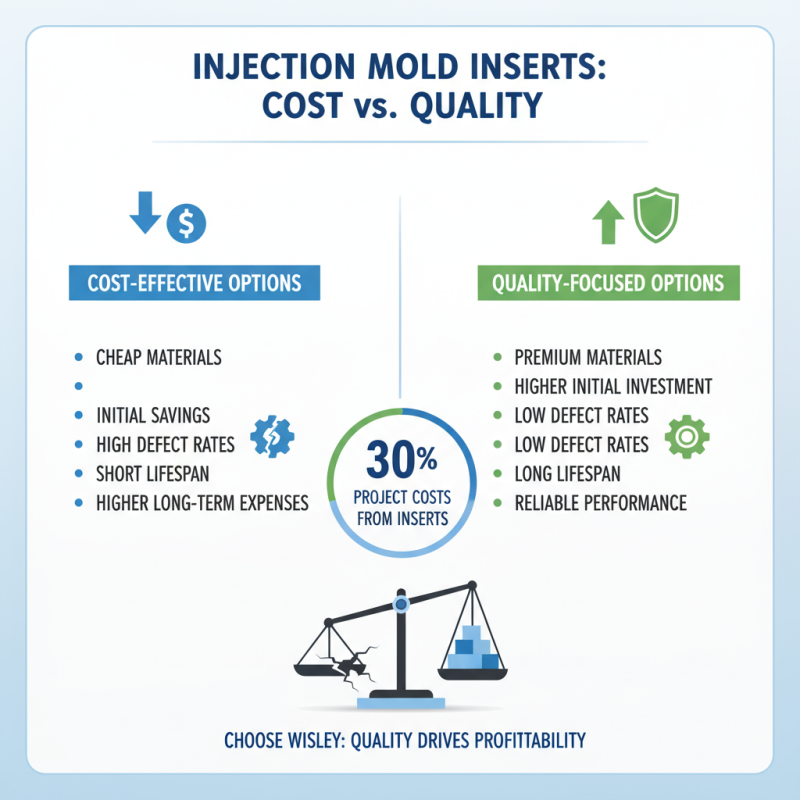
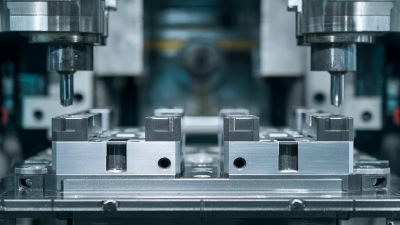
Moreover, precision is vital in the design phase. Ensure that the insert fits snugly within the mold. Gaps can lead to defects in the final product. Visualize the flow of material. Poor flow can cause weak spots. If you notice inconsistent results, adjust your approach. Sometimes, the compromise between cost and quality is difficult. Explore affordable materials, but don’t sacrifice strength.
Finally, consider how easy it is to maintain the inserts. Maintenance impacts long-term production costs. Some inserts require frequent replacements, while others last longer. This aspect can seem subtle, but it affects overall efficiency. Reflect on what works best for your timeline and budget. Balancing these factors often leads to better outcomes in your manufacturing process.
Impact of Key Factors on Injection Mold Inserts Selection
Types of Injection Mold Inserts and Their Applications
Injection mold inserts come in various types, each suited for specific applications.
Standard inserts are common in mass production due to their versatility.
They can create complex geometric shapes and are cost-effective. However, they may not always deliver the precision needed for intricate designs.
Reports indicate a growing demand for specialized inserts, particularly in the
automotive and medical sectors. These fields often require
inserts that can withstand high temperatures and pressures.
Prototype inserts are another option, used primarily for initial testing phases.
They allow for quick iterations. While they are easier to modify, they may limit durability in long runs.
According to industry surveys, about 30% of manufacturers cite difficulties in switching
between prototypes and production molds. This often leads to increased costs and longer lead times.
Lastly, conformal cooling inserts are making waves in the industry.
These are designed for optimal thermal control. They can enhance cooling efficiency by reducing cycle times significantly.
However, their complexity can lead to higher production costs and potential design challenges.
Balancing the advantages and drawbacks of each type is crucial.
An informed choice can greatly affect production efficiency and final product quality.
Material Selection for Injection Mold Inserts: Pros and Cons
Choosing the right materials for injection mold inserts is crucial. Different materials have unique advantages and disadvantages. For instance, steel is durable and can withstand high temperatures. However, it can be expensive and heavy. Aluminum, on the other hand, is lighter and offers faster machining times. Yet, it may not hold up under extreme conditions as steel does.
Plastic inserts provide a cost-effective alternative. They are easy to mold and can be finished quickly. However, their strength is limited. They might work well for short production runs but fail under high-stress applications. This choice often requires careful consideration of the intended use.
Reflecting on specific project needs is vital. Factors like production volume, desired finish, and budget play important roles. Each choice has trade-offs that can impact the final product. Careful assessment of these pros and cons is necessary for optimal outcomes. It’s essential to balance durability with cost-efficiency in the selection process.
How to Choose Injection Mold Inserts for Your Project? - Material Selection for Injection Mold Inserts: Pros and Cons
| Material |
Pros |
Cons |
Best Use Case |
| Steel |
High strength and durability, excellent heat resistance |
Higher cost, heavier than other materials |
Long-run production for robust parts |
| Aluminum |
Lightweight, good thermal conductivity, lower cost |
Less durable than steel, may wear out faster |
Short-run production and prototyping |
| Copper |
Excellent thermal conductivity, corrosion resistant |
Higher cost, softer material can deform |
Applications requiring heat management |
| Beryllium Copper |
Combines strength of copper with durability, great for complex shapes |
More expensive, requires special handling due to toxicity |
Precision parts in high-stress environments |
| Tool Steel |
Very hard, maintains sharp edges, highly durable |
Brittle, can be costly to machine |
High-volume production molds |