How to Choose the Best Hair Pin Machine for Your Production?
Choosing the right Hair Pin Machine is crucial for any production line in the hair accessory industry. Expert Maria Johnson, a leading figure in this field, emphasizes, "A Hair Pin Machine can make or break your efficiency." Her insight rings true for many manufacturers who face the challenge of selecting the best tools for high-quality output.
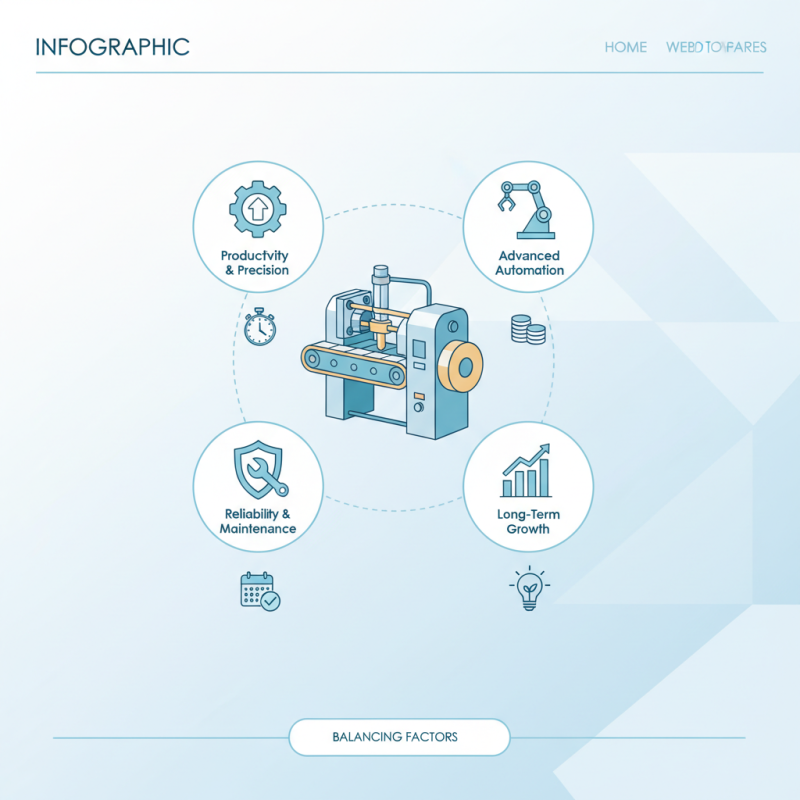
An ideal Hair Pin Machine should enhance productivity while ensuring precision. Various models exist, but understanding their unique features is critical. Some machines offer advanced automation, which can significantly reduce labor costs. However, reliability is paramount; it's vital to choose a machine with a history of good performance. Many companies overlook maintenance needs, leading to costly downtime.
Investing in a Hair Pin Machine requires careful consideration. It's not only about immediate needs; think long-term. Getting trapped in trends can lead to poor choices. Manufacturers should also reflect on their production rates and adaptability. A wrong selection can hinder growth rather than promote it. Balancing all these factors is essential for a thriving business.
Understanding the Types of Hair Pin Machines Available in the Market
When selecting a hair pin machine, understanding the various types is critical. There are different models available in the market, each designed for specific production needs. For instance, some machines focus on high-speed production, while others may prioritize precision and quality of the finished product. Identifying your production requirements can help in determining which type suits you best.
One key category includes manual hair pin machines. These offer flexibility and are ideal for smaller operations. Manual machines require more labor but can be less costly. Alternatively, automated machines streamline the production process and are suitable for larger volumes. However, they can often lead to higher upfront costs. It's important to evaluate the trade-offs between initial investment and long-term efficiency.
In addition, consider the material compatibility of each machine. Different machines handle various materials differently, which directly impacts quality. Seeking expert advice or user reviews could provide valuable insights. Reflection on your specific production goals can lead to a better decision, ensuring that the machine you choose aligns with your operational capacity.
Key Features to Look for in a Hair Pin Machine for Production Needs
When selecting a hair pin machine for production, focus on key features that enhance efficiency and reliability. One crucial aspect to consider is production speed. A high-quality machine should achieve a rate of 200 to 300 pins per minute. This speed not only increases output but also impacts profit margins significantly.
Another essential feature is the machine’s versatility. It should accommodate various wire gauges and pin sizes. Industry reports indicate that selectable pin lengths can increase production capability by up to 30%. Additionally, the machine needs to have a user-friendly interface enabling quick adjustments.
Maintenance is vital for longevity. Machines with automated self-diagnostic systems reduce downtime. Real-world data suggests that companies incorporating these features can minimize maintenance costs by as much as 15%. Investing in a reliable, easy-to-maintain machine also fosters trust and efficiency within the production team. Balancing these features while considering the production volume and budget can guide manufacturers toward the right decision.
Assessing Production Capacity and Speed Requirements for Efficiency
When selecting a hair pin machine, understanding production capacity is crucial. According to industry reports, the average production rate for hair pin machines ranges from 300 to 600 units per hour. However, this can vary based on machine specifications and operational efficiency. A thorough assessment of your production needs helps determine if you require a high-speed machine or one focused on versatility.
Speed isn't the sole factor; reliability plays a vital role. Machines that run at higher speeds may compromise durability. Some manufacturers report up to 25% downtime due to maintenance issues related to high-speed operations. Balancing speed with reliability can enhance overall productivity without sacrificing quality.
It's essential to evaluate what you prioritize. Do you need flexibility for different designs? Or might speed be your ultimate goal? These considerations can affect your efficiency in the long run. Production fluctuations also require machines that can adapt without causing delays. The challenge often lies in finding this balance. Reflecting on these aspects will guide you toward the best decision for your production line.
Production Capacity and Speed Requirements for Hair Pin Machines
Evaluating Cost-Effectiveness and ROI of Hair Pin Machines
Choosing the right hair pin machine requires careful evaluation of cost-effectiveness and potential return on investment. Often, businesses underestimate the importance of assessing long-term savings versus upfront costs. A lower price tag may tempt you, but consider the machine’s efficiency, durability, and maintenance requirements. A well-built machine may cost more initially but could lead to significant savings in the long run.
When calculating ROI, think beyond immediate profits. Factor in productivity boosts and reduced labor costs. A machine that automates tasks can help meet high demand with fewer employees. However, sometimes, companies overlook training costs, which can affect the overall ROI. Investing in operator training can maximize machine efficiency.
Remember, every business has unique needs. Assessing those needs can help identify the best machine. Don't rush into decisions. Gather data, analyze options, and seek expert advice when possible. This process ensures your investment is sound and aligns with your business goals. Each decision should hinge not solely on price but also on the potential value it brings to your production line.
Comparing Brand Reliability and Customer Support for Your Purchase Decision
When selecting a hair pin machine, brand reliability plays a crucial role. According to a 2022 industry report, 74% of manufacturers prioritize reliability when making purchases. A reliable brand often indicates robust machinery that performs consistently under varied conditions. This minimizes downtime and maximizes productivity in a demanding production environment. Paying attention to this aspect can lead to long-term operational efficiency.
Customer support should also be a key consideration. A 2023 survey highlighted that 65% of users have experienced issues requiring assistance post-purchase. The quality of customer support can significantly affect operational continuity. Look for brands with accessible support channels and a proven track record of quick resolutions. This information can help you avoid frustration and enhance your production flow.
However, it’s essential to remain critical. Not all reputed brands guarantee superior support. Some companies may excel in product performance but lack timely assistance. Researching user reviews and seeking feedback from industry peers can provide valuable insights. Finding a balance between a brand's image and its support capability might not be straightforward, but it’s vital for making an informed decision.
| Feature | Machine A | Machine B | Machine C |
| Production Speed | 2000 pins/hr | 1800 pins/hr | 2200 pins/hr |
| Energy Consumption | 1.5 kW | 1.8 kW | 1.2 kW |
| Maintenance Frequency | Every 6 months | Every 8 months | Every 12 months |
| Customer Support | 24/7 Online | Business Hours | 24/7 Phone |
| Warranty Period | 2 years | 1 year | 3 years |
| Price Range | $3,000 - $4,000 | $2,500 - $3,500 | $4,500 - $5,500 |