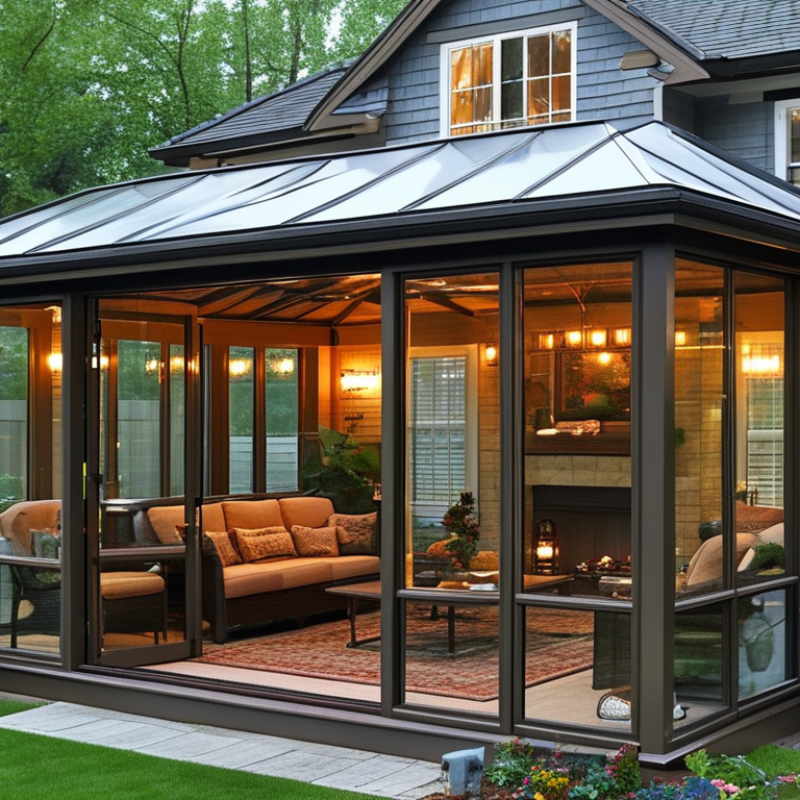
How to Choose the Perfect Four Season Sunroom for Your Home?
When considering home improvements, a four season sunroom is an attractive option. They blend indoor and outdoor living seamlessly. According to John Smith, a renowned expert in the sunroom industry, “A well-designed four season sunroom adds value and warmth to any home.”
Choosing the perfect four season sunroom involves careful planning and consideration. Homeowners must evaluate their needs, available space, and budget. Durability and insulation are critical factors, ensuring comfort in all seasons. It’s essential to select quality materials that withstand varying weather conditions.
Yet, some homeowners may overlook the importance of aesthetics. A sunroom must complement the existing home architecture. Personal style should shine through in the design choices. Reflecting on past experiences can guide these decisions. Embracing the journey of creating your four season sunroom is vital for satisfaction and success.
Factors to Consider When Selecting a Four Season Sunroom Style
Choosing the right style for a four season sunroom is crucial for both aesthetics and functionality. Consider the architectural style of your home. A sunroom should complement your existing design. For example, a traditional home may benefit from a gable-style roof while a modern home could look better with a flat or contemporary design. According to industry reports, nearly 70% of homeowners prioritize style alignment when selecting sunrooms.
Materials also matter significantly. Common options include glass, vinyl, and aluminum. Each material has unique benefits and drawbacks. Vinyl is energy-efficient but may not offer the same aesthetic appeal as glass. In contrast, aluminum is robust but can be less insulating. A study shows that sunrooms constructed with energy-efficient glass can increase home value by up to 15%.
In addition, consider your primary use for the sunroom. Is it for relaxing, entertaining, or as a greenhouse? Misalignment in purpose and design can lead to dissatisfaction. About 40% of homeowners express regret over their sunroom choices, noting impractical layouts or insufficient temperature control. Identifying your specific needs during the initial phase is vital for ensuring long-term happiness with your sunroom.
Factors to Consider When Selecting a Four Season Sunroom Style
Understanding Different Types of Four Season Sunrooms Available
When selecting a four-season sunroom, it's crucial to understand the various types available. Many homeowners benefit from the choice between different styles, such as traditional conservatories or modern glass extensions. Traditional designs often feature ornate details, while modern styles emphasize sleek lines and minimalism. This diversity allows for a personalized fit within any home’s architectural style.
The materials used in construction are also essential. Frame options typically include aluminum, wood, and vinyl, each offering distinct advantages. Aluminum is durable and low-maintenance, while wood provides a natural aesthetic. Vinyl is often cost-effective and energy-efficient. Choosing the right material can significantly impact your sunroom's longevity and insulation.
Considerations extend beyond aesthetics. Utilize your sunroom year-round by ensuring proper insulation and ventilation. Some designs may sacrifice energy efficiency for style, leading to discomfort later. Think carefully about your climate and usage patterns. Larger rooms may need more cooling measures, while smaller spaces can retain heat more effectively. Reflecting on these factors ensures a functional and comfortable sunroom experience throughout all seasons.
Key Materials Used in Four Season Sunroom Construction
When constructing a four-season sunroom, selecting the right materials is crucial. The materials you choose can significantly impact energy efficiency and aesthetic appeal. According to a report by the National Association of Home Builders, around 85% of homeowners prioritize energy efficiency in their sunroom projects. This statistic emphasizes the importance of insulated glass and framing materials that provide superior thermal performance.
Vinyl and aluminum are popular framing options. Vinyl is known for its low maintenance and strong insulation properties. However, it might not be as aesthetically versatile as aluminum. Aluminum, while sleek, can conduct heat, which may require supplemental insulation. The right balance between aesthetics and thermal efficiency should be considered carefully.
Glass choices also affect your sunroom’s performance. Low-E glass can block harmful UV rays while still allowing natural light. However, it often comes at a higher cost. Homeowners should evaluate their local climate when choosing glass types. In cooler regions, double-pane glass may be necessary for adequate insulation. Such decisions can play a significant role in the long-term comfort and utility of the sunroom. It's essential to review these factors thoroughly, as they impact both function and investment value.
Essential Features to Enhance Your Four Season Sunroom Experience
When considering a four-season sunroom, focus on essential features that enhance your experience. Insulation is key. High-quality materials will keep your sunroom comfortable year-round. Look for double or triple-pane windows. They reduce energy costs and block harmful UV rays. Choosing the right frame materials also matters. Wood provides warmth, while aluminum offers durability.
Ventilation is another crucial aspect. It ensures fresh air circulation and helps manage temperature. Ceiling fans can add comfort in hot months. Incorporating shades or curtains offers privacy and light control. Think about easy access to your garden or yard. A well-placed door can create a seamless connection with nature.
Lighting should not be overlooked. Natural light is one of the main attractions of a sunroom. Skylights or large windows can enhance the open feel. However, consider mood lighting for evening use. Flexible lighting options allow for cozy gatherings. While designing your space, create a balance between aesthetics and practicality. A functional space should also be beautiful. Consider how each feature aligns with your lifestyle.
How to Choose the Perfect Four Season Sunroom for Your Home? - Essential Features to Enhance Your Four Season Sunroom Experience
| Feature | Importance | Recommended Options |
| Insulation | Essential for maintaining temperature | Double or triple-pane glass |
| Windows | Natural light and ventilation | Retractable awnings, sliding windows |
| Heating/Cooling | Year-round comfort | Radiant floor heating, ceiling fans |
| Lighting | Aesthetic appeal and usability | LED recessed lights, skylights |
| Flooring | Comfort and style | Tile or durable vinyl options |
| Furniture | Enhances functionality | Weather-resistant outdoor furniture |
Budgeting and Planning for Your Four Season Sunroom Project
When planning for a four-season sunroom, budgeting is crucial. Start by evaluating your finances. Consider how much you can allocate for materials, labor, and permits. A detailed list of projected costs will help. Include a buffer for unexpected expenses, which often arise during projects. This preparation ensures a smoother build process.
Look into various sunroom styles and materials. Each option has its price range. For instance, glass walls may offer a beautiful view but can be pricey. Researching energy-efficient options can save money in the long run. It’s also wise to factor in ongoing maintenance costs. Reflect on how often you’ll use the space. Will it be a frequent family gathering spot, or just for occasional relaxation? Your usage will influence your investment choices.
Consulting with professionals can provide valuable insights, especially regarding local building codes. Their expertise can prevent costly mistakes. However, be prepared to navigate different opinions. Not every contractor will share the same vision. Trust your instincts, but stay open to suggestions. A flexible mindset can lead to a more rewarding project experience.