2026 How to Choose the Best Injection Mold Inserts for Your Needs?
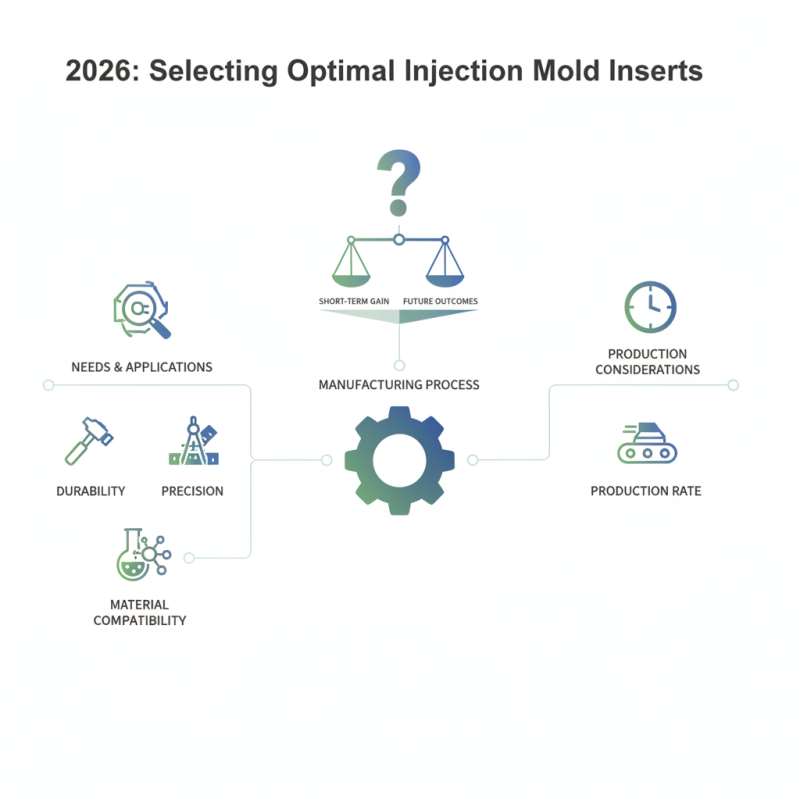
Choosing the right injection mold inserts can significantly impact your manufacturing process. These components play a crucial role in shaping materials into desired forms. Selecting the best injection mold inserts requires understanding your specific needs and applications.
There are many types available, each with distinct features. For instance, some inserts enhance durability, while others focus on precision. Your choice should align with the end product's requirements.
Yet, it is easy to overlook important aspects. Many overlook the material compatibility of the inserts. Additionally, neglecting the production rate can lead to inefficiencies. Therefore, careful consideration is essential. Remember, the right decision today will lead to better outcomes in the future. Don't rush; reflect on what you truly need.
Understanding Injection Mold Inserts: Key Components and Materials
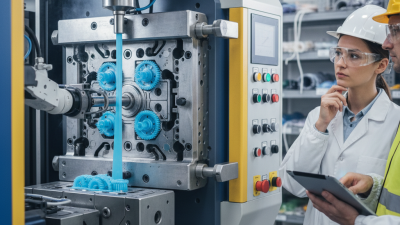
Injection mold inserts play a critical role in the injection molding process. These components are designed to shape molten material into precise forms. Their quality directly impacts the final product's dimensional accuracy, surface finish, and overall performance. Various materials are utilized for mold inserts, including steel, aluminum, and brass. Each material boasts its unique properties that can affect both durability and cost.
Steel is the most commonly used material due to its strength and longevity. Reports indicate that approximately 70% of mold inserts are made from steel, particularly stainless and tool steels. They can withstand high pressure and extensive use. Aluminum, while less durable, is favored for its lighter weight and faster machining capabilities. As per industry sources, around 20% of inserts are aluminum, often used in low-volume production runs.
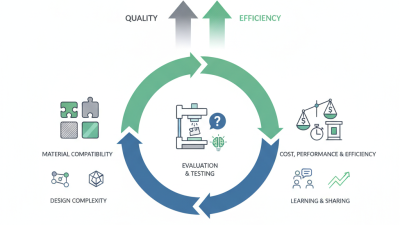
The choice of insert material should consider the production volume and parts' complexity. For instance, some manufacturers reflect on their decisions to prioritize speed over material longevity. This mindset can lead to higher costs in the long run. Understanding these dynamics helps manufacturers make informed decisions. This knowledge also promotes a balance between quality and efficiency, essential for staying competitive in an evolving market.
Factors to Consider When Selecting Injection Mold Inserts for High Volume Production
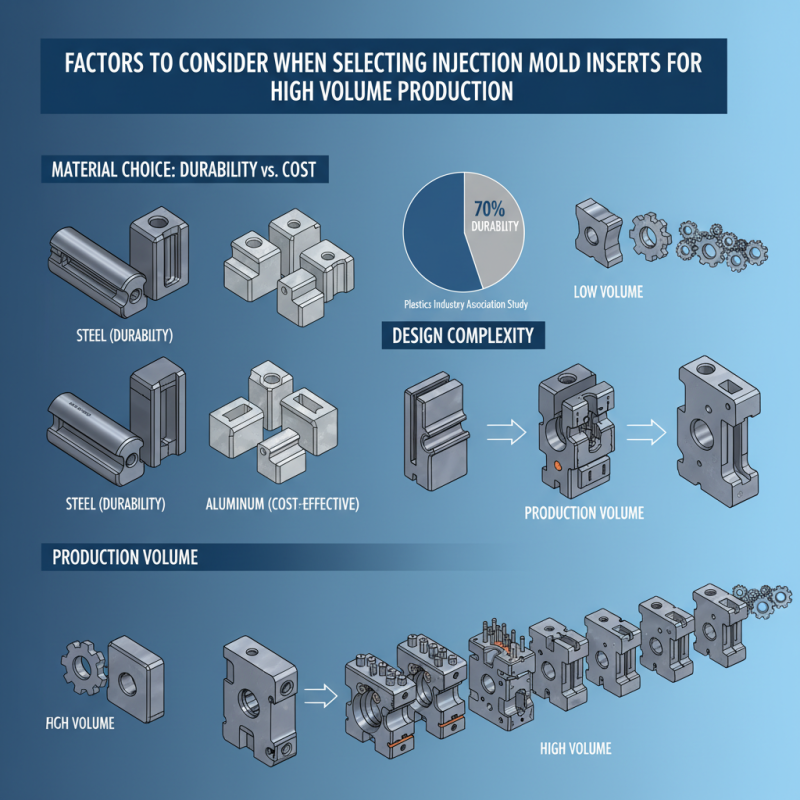
When selecting injection mold inserts for high-volume production, understanding key factors is essential. Material choice impacts durability and quality. Common materials include steel and aluminum, each suited for different needs. Steel offers higher durability, while aluminum can be cost-effective for lower-volume runs. A study by the Plastics Industry Association suggests that 70% of manufacturers prioritize material durability when selecting inserts.
Design complexity is another critical aspect. More intricate designs require precise molds to ensure a perfect final product. Advanced 3D CAD software can help visualize the mold design effectively. Consider the cooling system too. Properly designed cooling channels can reduce cycle times by up to 30%, according to industry analysis. This efficiency translates into cost savings.
Tips: Always factor in your production volume. Smaller runs may not justify the expense of complex molds. Also, consult with experienced engineers. Their insights can highlight potential challenges in your design. Reflect on past projects to avoid recurring mistakes. Every production run offers lessons that refine future processes.
Evaluating Insert Design: Importance of Tolerances and Cooling Channels
When selecting injection mold inserts, the design plays a crucial role. Tolerances are vital; they define how parts fit together. A study by the Society of Plastics Engineers indicates that achieving tight tolerances can reduce assembly errors by up to 30%. Ensuring the right tolerances can enhance product quality and functionality. It's essential to involve design engineers early, as small changes in tolerances can lead to significant manufacturing cost variations.
Cooling channels are equally important in mold design. Efficient cooling can improve production speed and part quality. According to a report from the American Society of Mechanical Engineers, optimizing cooling channels can decrease cycle time by 25%. However, not all designs are efficient. Poorly designed channels can lead to uneven cooling, affecting the part’s surface finish and dimensional accuracy. Designers must carefully analyze cooling needs based on part complexity and material type.
Ultimately, the design of injection mold inserts requires a balance of several factors. Each aspect, from tolerances to cooling channels, should align with project requirements. Rethinking these elements might uncover areas for improvement. Injection molding is precise, yet even the smallest oversight can lead to costly production setbacks.
Cost Analysis: Balancing Quality and Budget in Mold Insert Selection
Choosing the right injection mold inserts involves a careful balance between quality and cost. The global mold-making industry is projected to reach $30.5 billion by 2026, according to a report from Markets and Markets. This growth emphasizes the importance of selecting materials that meet both performance standards and budget constraints.
Quality often correlates with higher costs. For instance, using high-grade steel for mold inserts can significantly enhance durability. Steel offers longevity, lasting up to 5 million cycles under normal conditions. However, the initial investment can be steep, ranging from 20% to 40% more than lower-quality materials. This trade-off raises the question: are you ready to invest more upfront for future savings?
On the other hand, lower-cost materials might seem attractive. They can initially save money, but the risk of wear and replacement costs becomes critical. Reports indicate that companies can lose up to 10% of production due to mold failures. Evaluating the total cost of ownership is vital. Balancing initial costs with the potential for long-term gains remains essential. In the end, careful consideration needs to be given to both immediate needs and future implications.
Industry Trends: Innovations in Injection Mold Inserts for Future Applications
The injection molding industry is undergoing rapid changes. Innovations in mold inserts are reshaping manufacturing processes. These advancements address efficiency, precision, and sustainability concerns in various sectors. New materials and techniques emerge, allowing for more complex design options and better performance.
Tips for selecting the right injection mold inserts include understanding the specific requirements of your project. Is it durability or flexibility you need? Different materials will perform better depending on the application. Consider temperature resistance as well; some inserts excel under high heat, while others do not.
Another consideration is the trend toward smart technology. Inserts equipped with sensors can monitor the injection process in real-time. This data can optimize production and minimize defects. Yet, adopting such technology brings challenges. Training and adjustments in workflow may be necessary. Always weigh potential benefits against the costs involved. Continuous assessment is key to staying ahead in this evolving landscape.