How to Choose the Best Piston Filler for Your Business?
Choosing the best Piston Filler for your business can be challenging. With various options available, understanding compliance and efficiency is crucial. According to a recent report by the Packaging Machinery Manufacturers Institute, the piston filler market is expected to grow by 5% annually through 2025. This growth indicates a rising demand for high-quality filling solutions.
Industry expert John Smith, a renowned consultant in packaging technology, states, "Selecting the right Piston Filler can significantly enhance production efficiency." This highlights the need for careful consideration. Factors like product viscosity, container size, and production speed can influence your choice.
Businesses must reflect on their specific needs before making a decision. A Piston Filler that works for one company may not suit another. Understanding your unique requirements is essential for improving operational efficiency. When chosen wisely, a Piston Filler can lead to significant cost savings and enhanced quality control.
Understanding Piston Fillers: Types and Applications in Industry
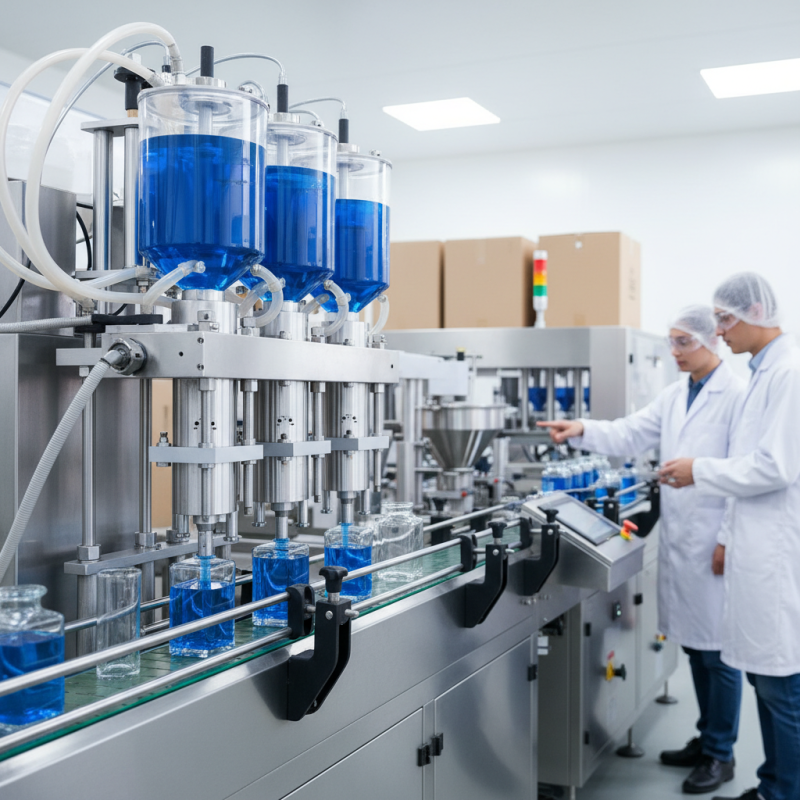
Piston fillers are essential in many industries, providing efficient solutions for liquid and paste filling. These machines vary widely in design and functionality, tailored to meet the unique needs of different applications. Common types include single-piston, double-piston, and servo-driven fillers. Each type offers specific advantages and may suit particular production requirements.
In food and beverage industries, piston fillers excel at handling thick, viscous products like sauces or dressings. Their ability to maintain accurate fill weights ensures consistent quality. However, not every type may be ideal for all products. For instance, pumping fragile items can damage them. Choosing the wrong piston filler can lead to inefficiencies and increased costs.
Pharmaceutical and cosmetic sectors benefit from piston fillers due to their precision. They guarantee clean fills with minimal waste. Nevertheless, companies must assess factors like cleaning requirements and maintenance. Inadequate consideration of these aspects could result in operational delays. Finding the best fit requires an understanding of both the applications and potential drawbacks of each piston filler type.
Key Factors Influencing the Selection of Piston Fillers
Choosing the right piston filler can impact your production efficiency significantly. Several key factors contribute to making an informed decision. First, consider the type of materials you will be filling. Different fluids have unique viscosities and characteristics. A thick paste may require a different design than a thin liquid. Understanding your product is crucial.
Next, examine the filler’s capacity and speed. High-volume production lines may benefit from fillers that can operate quickly and efficiently. However, speed should not compromise accuracy. An imprecise filler can lead to wasted product and unhappy customers. Look for models that strike a balance between speed and precision.
It's also important to evaluate the maintenance requirements of the filler. Some machines need regular upkeep, while others promise less hassle. Frequent maintenance can slow down production and costs. Reflect on your operational capabilities and workforce expertise. Make sure your team can manage the chosen equipment effectively. The right choices will enhance your production line and boost your bottom line.
Evaluating Performance Metrics: Speed, Accuracy, and Versatility
When selecting a piston filler, evaluating performance metrics is crucial. Speed is a key factor for efficiency. Faster filling times can boost productivity. However, high speed shouldn’t compromise accuracy. An inaccurate filler can lead to wasted product and increased costs.
Accuracy is essential for customer satisfaction. A well-calibrated filler ensures that each container receives the correct amount. This minimizes the risk of overfills or underfills. Accuracy can impact your bottom line. It’s worth investing in equipment that offers reliable precision.
Versatility is another important metric. Many businesses deal with various products. A filler that adapts to different viscosities and container sizes is advantageous. This flexibility can save you from purchasing additional equipment.
Tip: Always consider how often you will change products. If frequent changes are expected, prioritize a versatile machine.
Tip: Regular maintenance is vital for performance. Neglected equipment often leads to inconsistencies in speed and accuracy.
Tip: Review user feedback on your selected equipment. Learning from others’ experiences can provide valuable insights into potential challenges.
How to Choose the Best Piston Filler for Your Business? - Evaluating Performance Metrics: Speed, Accuracy, and Versatility
| Filler Type | Speed (Bottles/Minute) | Accuracy (%) | Versatility (Applications) |
| Semi-Automatic Piston Filler | 30 | 95 | Liquid, Paste |
| Fully Automatic Piston Filler | 100 | 98 | Liquid, Cream, Sauce |
| Tabletop Piston Filler | 20 | 90 | Liquid, Gel |
| High-Speed Piston Filler | 200 | 97 | Liquid, Paste, Powder |
Assessing Material Compatibility: Ensuring Safe and Effective Fill
Choosing the right piston filler for your business involves a crucial step: assessing material compatibility. This process is essential for ensuring safe and effective filling operations. A piston filler may be suitable for one type of product but not for another. You need to evaluate the chemical properties of your materials. Some may react negatively with certain surfaces or components.
Consider the viscosity and temperature of your products. A thicker product may require a different filler design than a thinner one. Improper alignment can lead to costly spills or production stops. It’s wise to run small tests with materials before full-scale implementation. This helps identify potential issues early. Material compatibility ensures your operation runs smoothly, preventing downtime.
Don't overlook the importance of FDA regulations if your products are food-related. Compliance is vital. Using materials that meet these standards can save you from potential legal troubles. Misalignment of expectations and requirements often leads to failure in production. Keep detailed records of tests and evaluations, as they can guide future decisions.
Budget Considerations: Cost vs. Quality in Piston Filler Selection
When choosing a piston filler, budget considerations play a vital role. Businesses often face the dilemma of balancing cost and quality. On one hand, a lower purchase price can seem attractive. However, this might lead to higher maintenance costs later. Many cheaper models often lack the durability required for continuous use.
Investing in quality piston fillers usually means better materials and construction. These fillers tend to have longer lifespans, ultimately saving money. For example, higher-quality machines may require fewer repairs and replacements. This reliability can boost overall productivity and reduce downtime.
Finding the right fit can be challenging. Not all businesses need high-end features that come with premium models. It's essential to assess specific operational needs. Analyze production volume, product viscosity, and desired accuracy. Tailoring your choice to these factors can prevent wasted investment and ensure efficiency. Consider what works best for your unique situation, and don't overlook the importance of ongoing support from suppliers.
Cost vs. Quality in Piston Filler Selection