







Choosing a plastic mold supplier is a production decision, not just a price comparison. A polished quote can hide weak design support, unclear inspection plans, or long repair delays. The details matter.
Grand View Research estimated the global injection molded plastics market at USD 330.63 billion in 2023, with projected growth through 2030. That figure describes the molded-plastics market, not mold suppliers themselves. Still, it signals the scale and competition behind molded products. A capable supplier should explain how its mold design, machining, sampling, and maintenance plans support your specific part.
Mold-design author John Beaumont’s published work discusses how runner and gate design affect cavity filling and part quality. Paraphrasing that guidance: mold performance depends on more than the tool’s appearance. Ask suppliers to show relevant project examples, explain steel and cooling choices, and identify who owns design changes. Look closely at the evidence. A sample part under bright showroom lights may conceal variation across a full production run. I would not treat one successful trial as proof of long-term reliability.
There are trade-offs. A low quote may suit a simple, low-volume part, but cost more if revisions or downtime follow. The right questions reveal how a supplier handles risk, communication, and production realities. Not every answer will be perfect. That is worth noticing.
Before contacting a plastic mold supplier, write down what the part must do and how it will be used. Specify the resin, expected annual volume, critical dimensions, surface finish, and target mold life. Include a drawing or 3D model when available. Details matter. If a tolerance is essential, mark it clearly rather than treating every dimension as equally important.
Separate firm requirements from preferences. For example, a visible housing may need a consistent texture, while a hidden rib may allow more flexibility. Ask the supplier to review draft angles, wall thickness, gate locations, and likely shrinkage concerns. These choices can affect both tooling cost and part quality. A requirement list can still be incomplete; the first design review often reveals details nobody thought to record.
Set expectations for communication and approval before work begins. Agree on who reviews design changes, what the first sample must demonstrate, and how inspection results will be shared. Request a realistic schedule that includes design review, toolmaking, sampling, and revisions. Ask what information the supplier needs from your team, too. A missed measurement or late material decision can delay a sample, even when the mold is well made. Be specific, but leave room for technical recommendations.
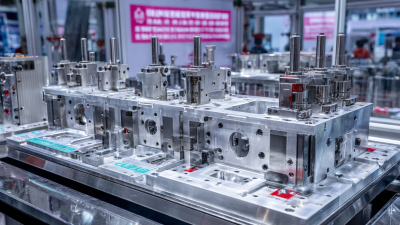
A capable plastic mold supplier should prove its technical skill with evidence, not polished claims. Ask for sample molds similar in resin, part size, wall thickness, and tolerance to yours. Review first-article inspection records, dimensional reports, and documented mold trials.
Can the team explain how it controls warpage, sink marks, and cycle time? Specific answers matter. So does a clean, traceable process.
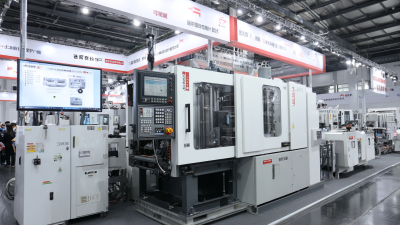
Check the equipment against your actual part. Confirm press clamping force, tie-bar spacing, platen size, and shot capacity; an impressive machine list means little if your mold cannot fit.
Ask to see maintenance logs and the tools used for mold temperature control and measurement.
OECD’s Global Plastics Outlook (2022) reports that worldwide plastics production grew from 234 million tonnes in 2000 to 460 million tonnes in 2019. That scale makes dependable process control more than a sales promise.
Capacity needs a closer look.
Request current utilization, planned downtime, staffing by shift, and a realistic schedule for your order alongside existing jobs. Ask how the supplier handles a machine breakdown or a failed trial.
A useful check is to walk the floor and compare the schedule with machines actually running.
I would still question a spotless capacity chart; it may hide bottlenecks in finishing or inspection. That’s worth probing.
A reliable plastic mold supplier should be able to explain how quality is controlled, not just display a certificate. Ask how the team checks steel, dimensions, and mold trials. Request examples of inspection records, corrective-action reports, and tool-maintenance logs. Paper matters. Look for clear links between each check and the part requirements.
Verify that any certification is current and covers the supplier’s actual facility and processes. A certificate alone does not prove that every mold will meet your needs. Ask who reviews nonconforming parts and how changes are documented. A polished document can still leave practical questions unanswered. That is worth noticing.
Past performance is most useful when it resembles your project. Ask about molds with comparable materials, part geometry, tolerances, and production volumes. With permission, contact a reference and ask about trial results, communication, and delivery changes. Review sample measurement reports against the drawing, especially around tight-fit features. If schedules allow, observe a trial or request a short video showing the mold running. Even then, one successful sample is not the whole story; repeatability across production matters.
When comparing plastic mold suppliers, look beyond the quoted price. Ask whether the estimate includes mold design, sampling, material, inspection, and shipping. Two quotes may appear far apart because their scopes differ. Request a line-by-line breakdown, plus details on costs for design changes or extra trial runs. A low initial price can become expensive when key items are excluded.
Tip: Compare lead times by milestone, not by one promised delivery date. Ask when design review, mold fabrication, first sampling, and production approval are expected. A supplier should explain what could delay each stage, such as late drawing approval or a change in resin. Get the schedule in writing. Leave room for iteration; first samples do not always meet every requirement.
Communication matters when the project changes. Agree on one point of contact, a response-time expectation, and a regular update schedule. Ask for sample reports with measurements, photos, and open issues—not just “on track.” Notice how clearly the supplier answers before you place an order. That can be revealing. I would still verify the details: quick replies do not guarantee careful work, and a polished schedule can miss real production constraints.
Before approving a mold supplier, read the contract for more than the quoted tool price. It should specify mold ownership, approved materials, inspection criteria, and what happens if sample parts fail. Ask for clear milestones, from design approval to first production run. Dates matter. So do remedies for delays or rework. Get it in writing.
Support terms deserve equal attention. Confirm who answers technical questions, how quickly they respond, and whether help is available during mold trials. A named contact can prevent a small cooling issue from turning into days of downtime. Request maintenance guidance and records for repairs, cycle counts, and changes. These details reveal whether the supplier plans to support the tool after delivery. Check references for similar parts and ask how problems were handled, not just whether projects finished on schedule. A checklist cannot predict every production surprise. I would still leave room for judgment: a polished proposal is not proof of dependable service. Look for specific commitments, realistic timelines, and evidence that the supplier raises risks early.