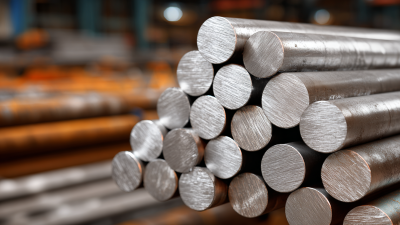
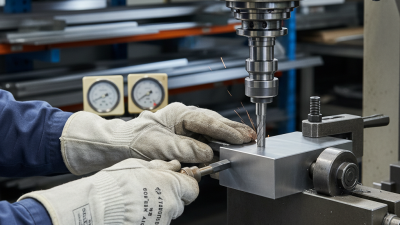
Why Choose Titanium Alloy for Your Manufacturing Needs?
Manufacturers are increasingly choosing titanium alloy for its unique properties. According to a report by Research and Markets, the titanium alloy market is projected to reach $5.6 billion by 2025. This growth underscores the material's importance across industries, including aerospace and biomedical. As noted by Dr. Emily Carter, a leading expert in materials science, “Titanium alloys offer an exceptional blend of strength, weight, and corrosion resistance.”
The demand for lightweight materials continues to rise. Companies are seeking to reduce fuel consumption and increase efficiency. Titanium alloy stands out due to its superior strength-to-weight ratio. In applications like aircraft manufacturing, every pound saved translates to significant fuel savings over time. Yet, challenges remain in production methods and cost.
While titanium alloys provide notable advantages, their high price remains a barrier. It prompts manufacturers to reconsider whether the investment is justifiable. Balancing performance and cost-effectiveness is crucial. This ongoing evaluation shapes the future of titanium alloy in manufacturing.

Benefits of Titanium Alloy in Manufacturing Applications
Titanium alloy is gaining popularity in manufacturing. Its unique properties make it an excellent choice for various applications. The strength-to-weight ratio is remarkable, often outperforming steel. This quality enables the creation of lighter components without compromising strength. In aerospace, automotive, and medical devices, titanium alloy is a game changer.
Manufacturers appreciate the corrosion resistance of titanium alloys. They endure harsh environments without degrading. This durability extends the lifespan of products significantly. Additionally, these alloys are biocompatible, making them ideal for medical implants. The ability to withstand high temperatures is another advantage. This feature is particularly beneficial in jet engines and heat exchangers.
Tips: When choosing titanium alloy, consider the specific application. Different alloys may be suited to unique needs. It's essential to consult with experts to understand the right grades. Also, remember that processing titanium can be more expensive. It's a worthwhile investment when long-term benefits are assessed. Evaluating initial costs versus durability can influence decisions significantly.
Key Properties of Titanium Alloys That Enhance Performance
Titanium alloys offer unique properties that make them ideal for diverse manufacturing needs. Their strength-to-weight ratio is remarkable. This means lighter products without compromising durability. These alloys also resist corrosion effectively. This characteristic is vital for applications in harsh environments. For instance, the marine and aerospace industries rely on the longevity of titanium alloys.
Tips: Always consider your specific application. The type of titanium alloy can greatly impact performance. Consult with experts to identify the best choice.
Another essential feature of titanium alloys is their ability to withstand high temperatures. Many engineers prefer them for components in jet engines and chemical processing. Their biocompatibility is also noteworthy, especially in medical implants. The promise of minimal adverse reactions enhances their use in healthcare settings.
Tips: Evaluate the temperature range before making a decision. Different alloys tolerate heat differently. Testing prototypes can reveal unforeseen issues, ensuring reliable end products.
Comparative Analysis: Titanium Alloy vs. Other Metals
When comparing titanium alloy to other metals, several key factors come into play. Titanium alloys are known for their excellent strength-to-weight ratio. This means they can withstand high stresses while remaining significantly lighter than steel or aluminum. For industries requiring material durability, this is a notable advantage. Additionally, titanium alloys exhibit exceptional corrosion resistance, especially in harsh environments. This makes them ideal for aerospace, medical, and marine applications.
However, titanium alloys often come with a higher upfront cost. Their manufacturing can be complex, requiring specialized techniques and equipment. This may deter some manufacturers who operate on tight budgets. Steel remains the cheaper alternative, but it does not provide the same longevity or performance benefits. Similarly, aluminum is lightweight, but it lacks titanium's strength and resistance to heat. It's crucial to weigh the long-term benefits against initial costs when choosing materials.
Considering these factors, it may seem like a clear choice. Yet, each application varies. Manufacturers must assess their specific needs carefully. Balancing cost, availability, and performance is essential. This reflection can often lead to revisiting initial assumptions.
Common Industries Utilizing Titanium Alloy for Production
Titanium alloys are becoming increasingly popular across various industries. Aerospace is a leading sector utilizing this material. In 2021, the aerospace titanium alloy market was valued at approximately $4.5 billion and is expected to grow significantly. The lightweight and high-strength characteristics make titanium alloys ideal for aircraft structural components. They enhance fuel efficiency by reducing overall weight.
The medical industry is another key player. Titanium alloys are widely used for implants and prosthetics. About 80% of orthopedic implants are made from titanium. This is due to its biocompatibility and resistance to corrosion. Surgeons trust titanium for its proven reliability and strength in long-term use.
The maritime industry is also embracing titanium alloys. Shipbuilding demands materials that withstand harsh environments. Titanium's resistance to seawater corrosion ensures longevity. Despite its advantages, the high cost of titanium processing poses challenges. Manufacturers must weigh costs against durability and performance. This balancing act requires strategic decision-making.
Common Industries Utilizing Titanium Alloy for Production
Cost Considerations and Economic Impacts of Titanium Alloy Use
When evaluating the economic impacts of titanium alloy, it’s essential to consider initial costs versus long-term benefits. Titanium alloys are generally more expensive upfront than alternatives. However, they offer superior strength and corrosion resistance. This can lead to lower maintenance costs over time. Companies often find that reduced downtime is a hidden cost benefit.
Another aspect is the material's sustainability. Titanium is recyclable, which can offset costs and appeal to eco-conscious consumers. Choosing titanium can attract clients who prioritize sustainability. However, the recycling process is not without challenges. Not all facilities can handle titanium, and this adds complexity.
Investing in titanium alloys may seem daunting due to initial expenses. Many businesses hesitate to adopt them due to uncertainty. We must reflect on the long-term savings and material performance. Balancing immediate costs with future gains can lead to informed decisions. The economic viability of titanium alloys is worth exploring, especially for industries seeking durability.