2026 How to Choose the Best Plastic Injection Tooling?
Choosing the right plastic injection tooling is crucial for producing quality parts in manufacturing. The process involves understanding various factors that affect tool selection. Plastic injection tooling encompasses the design, materials, and processes used to create molds for plastic parts.
One must consider the project requirements and budget constraints when selecting tooling. Different industries demand specific qualities, which might lead to conflicting priorities. Experience in evaluating suppliers can enhance decision-making. Mismatched tooling may result in defects or delays, emphasizing the importance of informed choices.
Engaging with experts in plastic injection tooling is beneficial. Their insights can navigate the complexities of options available. However, not all advice is applicable in every scenario. It’s essential to critically assess recommendations while being prepared to adapt throughout the project. Ultimately, investing time in this selection can save significant resources and improve productivity.
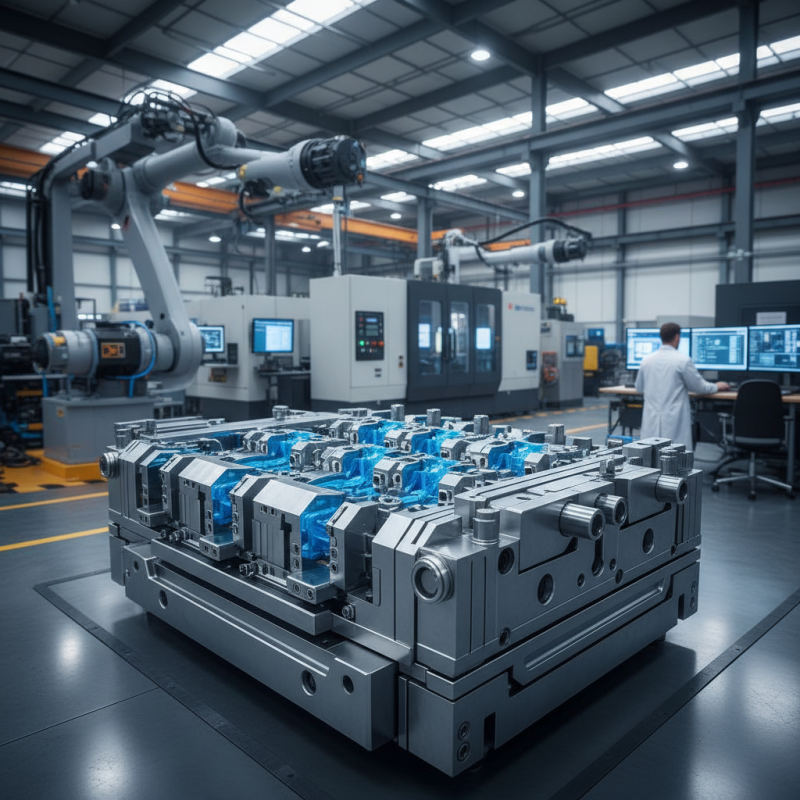
Understanding Plastic Injection Tooling: An Overview
Plastic injection tooling plays a critical role in manufacturing. Understanding the complexities of tooling can greatly enhance production efficiency. According to a recent report from the Plastics Industry Association, improper tooling choices can lead to a 20% increase in production costs. It’s essential to grasp not just the materials involved but also the design and geometry of the tool.
Tooling is often made from steel or aluminum. Each material has its benefits and drawbacks. Steel tools provide durability, ideal for high-volume production. Aluminum tools, while lighter and more affordable, wear out faster. A study by Grand View Research indicates that the global injection molding market is expected to reach around $395 billion by 2027. This growth emphasizes the need for strategic tooling decisions.
Specific design aspects can influence the effectiveness of the injection process. Detailed considerations, such as gate location and runner design, matter significantly. Even experts sometimes overlook these elements, leading to production delays or excess waste. A well-thought-out tooling design can mitigate these risks, enhancing the overall reliability of the manufacturing process.
Key Factors in Selecting the Right Material for Tooling
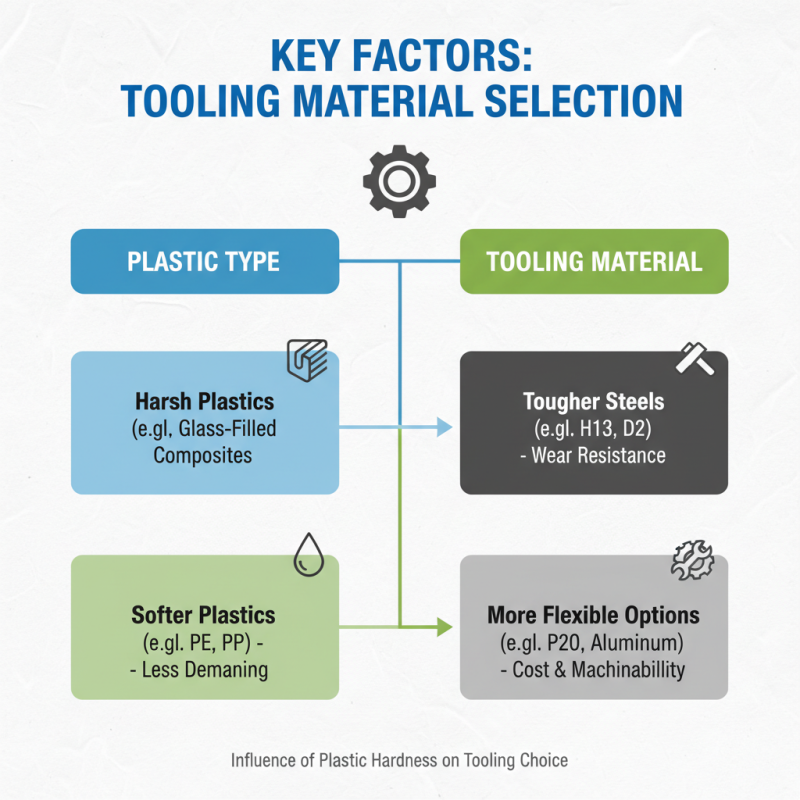
When selecting materials for plastic injection tooling, several factors play a crucial role. The type of plastic being used will influence the choice of tooling material. For example, harsher materials like glass-filled composites can require tougher steel to withstand wear. Soft materials may be less demanding, allowing for more flexible tool options.
Durability is another critical aspect. Tooling materials should endure the pressure and heat generated during the injection process. Steel, for instance, offers excellent strength, yet it may become brittle if not properly treated. Aluminum is lighter and easier to machine but may not last as long under heavy use.
Costs must also be factored in. High-tech materials might promise superior performance but can drive up expenses. A balance between performance and budget is necessary. It's worth reflecting on past choices. Sometimes, prioritizing cost over quality leads to increased repairs or replacements. Always consider long-term implications, not just initial investment.
Evaluating Design Complexity: What to Consider
When selecting the best plastic injection tooling, design complexity is crucial. A complex design may involve intricate features and geometries that pose challenges for molding. Assess how these features might affect the tooling process. Sometimes, a highly detailed design requires more time and resources to manufacture. This can lead to increased costs and longer lead times.
Evaluate the ease of manufacturing the tool. Simple designs are often more reliable and quicker to produce. Complicated molds might introduce risks, such as difficulties in achieving uniform wall thickness or consistent flow. These issues can impact the final product's quality. Always consider whether the design can be simplified without sacrificing functionality.
Reflect on the material choices as well. Different plastics behave uniquely during injection molding. Their interaction with tooling and the machine can vary greatly. An intricate design may require specific materials that enhance performance but at a higher price. It’s essential to balance complexity with practical aspects like durability and manufacturability.
2026 How to Choose the Best Plastic Injection Tooling? - Evaluating Design Complexity: What to Consider
| Dimensional Feature |
Complexity Level |
Impact on Cost |
Lead Time |
| Simple Geometry |
Low |
Low |
Short |
| Moderately Complex Geometry |
Medium |
Medium |
Medium |
| Highly Complex Geometry |
High |
High |
Long |
| Thin Wall Sections |
Medium |
High |
Medium |
| Undercuts and Complex Features |
High |
Very High |
Long |
Cost Analysis: Budgeting for Injection Tooling
When budgeting for injection tooling, understanding costs is crucial. The initial investment can be significant. Tooling costs depend on several factors: design complexity, material choice, and production volume. Engaging with multiple quotes is essential. This will help in finding a reliable toolmaker.
Tip: Always emphasize clear communication with your chosen toolmaker. Discuss your project's specific needs to avoid unexpected costs. Always ask about hidden fees. Some buyers overlook these, leading to budget overruns. Transparency can ensure smoother project management.
Next, consider the potential trade-offs between cost and quality. Cheaper options may lead to longer-term issues. Investing in quality tooling can enhance product performance and longevity. Continuous evaluation of the tooling process may reveal areas for savings or efficiency improvements.
Tip: Regularly assess the tooling and maintenance schedules. This can help identify any issues early, preventing larger costs down the line. Document your experiences, as they can inform future projects. A strategic approach to budgeting can lead to more successful outcomes.
Choosing the Right Manufacturer: Quality and Reliability
When selecting a manufacturer for plastic injection tooling, quality should be your top priority. A recent industry report indicates that 70% of companies face delays due to poor tooling quality. Ensuring your chosen manufacturer has a track record of producing high-quality tools is crucial. Check their ISO certifications and customer testimonials for reliability.
It's important to evaluate the manufacturer's experience. Those with over ten years in the industry often understand unique challenges. They usually invest in advanced technology, which can improve precision. Some reports show companies that use state-of-the-art machinery reduce error rates by 40%. However, even experienced manufacturers may have inconsistencies, so it's wise to ask for samples or prototypes before making a decision.
Don't overlook the importance of communication. A responsive manufacturer can help address issues quickly. However, if a manufacturer is slow to respond, it may signal deeper problems. Balancing quality and reliability is key in choosing the right partner for your tooling needs. Investing time upfront can save significant resources in the long run.
2026 How to Choose the Best Plastic Injection Tooling?
This bar chart illustrates the key factors to consider when choosing plastic injection tooling from different manufacturers. The evaluation is based on Quality, Reliability, Cost, and Turnaround Time.