2026 How to Choose the Best Aluminum Welder Machine?
Choosing the right Aluminum Welder Machine can be a daunting task. With so many options on the market, understanding what features matter is crucial. Expert welder, John Smith, states, "The right setup makes all the difference in achieving quality welds." His experience in the aluminum welding industry highlights the importance of selecting a machine that fits specific needs.
Aluminum welding demands precision and reliability. A good Aluminum Welder Machine should possess features like adjustable settings, efficient cooling systems, and adequate power. These elements affect both the quality of the weld and the operator's ease of use. Brands may boast various specs, yet one must consider their personal requirements before making a decision.
While many machines are available, not every one will suit all projects. Some might offer impressive specifications but lack durability. Therefore, exploring user reviews and quality assessments can aid in identifying the best Aluminum Welder Machine for your needs. Choosing wisely can lead to better results and a smoother welding experience.
Understanding the Types of Aluminum Welding Machines Available in 2026
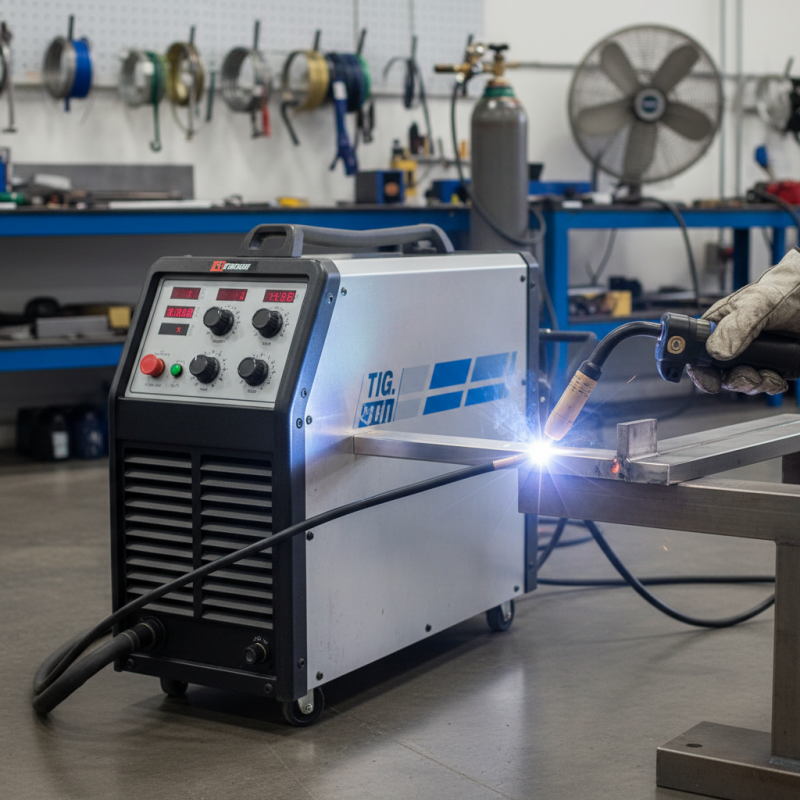
Choosing the right aluminum welding machine is critical for achieving high-quality welds. In 2026, various types of aluminum welding machines are available, each with unique characteristics. Common options include MIG, TIG, and Stick welders. Understanding these types helps in making better purchasing decisions.
MIG welders are popular for their speed and ease of use. They are great for projects requiring a fast turnaround. TIG welders offer precision and control, making them suitable for thin materials or intricate designs. Stick welders are versatile and can work in various environments, but they may not be as aesthetically pleasing. Reports show that MIG welding holds nearly 50% of the market, indicating its widespread acceptance.
Tips: Consider the material thickness you will be welding. For thinner materials, TIG is often recommended. Always check power requirements, as some machines may need specific outlets. It's essential to reflect on your welding experience. Novices may find MIG easier, while seasoned professionals might prefer the control of TIG.
In recent studies, over 60% of welders expressed dissatisfaction with their initial machine choice. Taking the time to research can prevent such issues. Each type has its pros and cons, and no one size fits all. Understanding the nuances can significantly affect your project outcomes.
Key Features to Look for in an Aluminum Welder: Power and Portability
When choosing an aluminum welder machine, power and portability are crucial factors. A powerful welder ensures that you can handle various thicknesses of aluminum, from thin sheets to heavy-duty materials. Look for machines that offer at least 200 amps of power. This power level will provide you with the versatility you need for different projects. It's also essential to check the duty cycle. A welder with a higher duty cycle allows for longer usage without overheating, ensuring consistent results.
Portability can make a significant difference in your welding experience. If you're working on-site or in various locations, lightweight machines are preferable. Some models feature built-in handles or wheels for easy transport. Consider the power source as well. Battery-powered welders add freedom, while gas or electric options might restrict your mobility.
Remember to assess your needs. A welder that's perfect for a hobbyist may not meet the demands of a professional. Analyze the specific tasks you’ll undertake. Reflect on past projects and consider what features helped or hindered your work. This will guide your decision and improve your welding skills over time.
2026 How to Choose the Best Aluminum Welder Machine? - Key Features to Look for in an Aluminum Welder: Power and Portability
| Feature | Description | Importance | Recommendation |
| Power Output | Measured in Amperes, adequate power ensures strong and clean welds. | High | Select models offering 200A or more for thicker aluminum. |
| Portability | Weight and design; easy to move for onsite jobs. | Medium | Look for compact units with built-in handles. |
| Input Voltage | Single-phase vs. three-phase; determines compatibility with power sources. | High | Choose according to your workshop power supply. |
| Welding Modes | TIG, MIG, or a combination for versatility in welding tasks. | High | Select versatile models that allow both TIG and MIG welding. |
| Duty Cycle | Percentage of time you can weld without overheating. | High | Opt for machines with a minimum 60% duty cycle for continuous work. |
| User Interface | Ease of use; clear settings and controls for precision welding. | Medium | Look for models with digital displays and intuitive settings. |
Evaluating the Importance of Duty Cycle and Output in Welding Performance
When choosing an aluminum welder machine, understanding the duty cycle is crucial. The duty cycle refers to the percentage of time a welder can operate within a certain period, typically ten minutes. For example, a 60% duty cycle means you can weld for six minutes and then must rest for four minutes. This impacts your overall productivity significantly. In a report by the American Welding Society, duty cycles below 60% are often deemed inadequate for heavy-duty projects. Selecting a machine with an appropriate duty cycle helps maintain work efficiency.
Output is another critical factor in welding performance. Measured in amperes, the output determines the welding machine’s capability to handle thick materials. A machine with a higher output can deliver better penetration, crucial for welding aluminum effectively. According to data, machines with an output of at least 200 amps are ideal for thick aluminum sections. Make sure to match the output with the project requirements to avoid potential quality issues.
Tips: Always check the manufacturer's specifications. Look for user reviews that mention durability and performance. Regular maintenance of your welding machine ensures optimal performance. Prioritize finding a balance between duty cycle and output to achieve desired results in aluminum welding projects.
Comparative Analysis of Top Aluminum Welder Brands and Models in 2026
When selecting the best aluminum welder machine in 2026, understanding top brands and models is crucial. Different brands offer various features that cater to specific needs. For instance, some machines are lightweight and portable, making them ideal for outdoor projects. Others may have advanced controls for precision work. Evaluating these characteristics can lead to better decisions.
Not all models are perfect. Some may lack versatility or have a steep learning curve. A welder might excel in performance but falter in user-friendliness. Customer reviews can highlight such flaws. Exploring user feedback provides insight into long-term reliability and common issues faced.
Price also plays a role. Sometimes, a higher cost means better performance and durability. However, the most expensive machine isn’t always the best choice for everyone. A careful comparison of power output, ease of use, and warranty options is necessary. Exploring these elements can greatly affect the welding experience.
Safety Standards and Compliance for Aluminum Welding Machines in the Industry
When selecting an aluminum welder machine, understanding safety standards and compliance is critical. The American National Standards Institute (ANSI) and the Occupational Safety and Health Administration (OSHA) set essential guidelines. These organizations ensure that equipment meets safety criteria to reduce the risks during welding. Reports indicate that over 50% of welding accidents are linked to equipment failure or operator errors. Accurate adherence to these guidelines can mitigate such risks significantly.
Certified aluminum welding machines must meet certain parameters. These include proper grounding, effective ventilation, and protective equipment standards. For instance, the National Fire Protection Association (NFPA) outlines specifications that welding equipment should meet to prevent fire hazards. Moreover, many companies invest in training programs to reinforce compliance and safety culture. Data suggest that companies with strong safety protocols experience 37% fewer accidents compared to those that do not.
Challenges remain in maintaining compliance. Sometimes, outdated equipment might not fully meet current standards. That's a red flag for any operation relying on older machines. Regular audits are essential. They provide insights into gaps and ensure that all machines adhere to the latest safety and operational standards. Investing in training and updated equipment is vital for any business involved in aluminum welding.