





What is Injection Mold Tooling and How Does It Work?

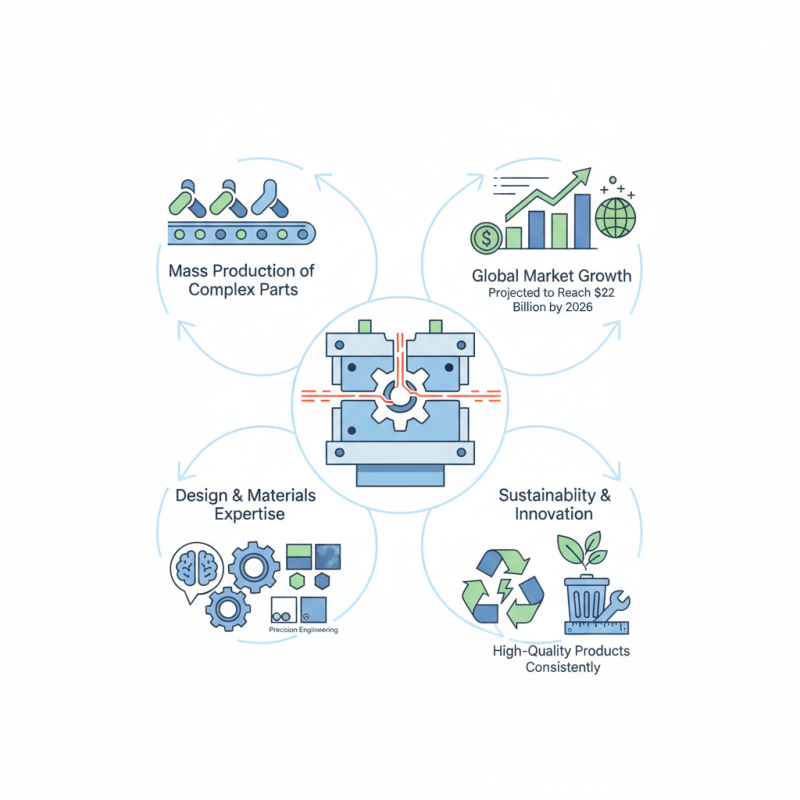
Injection mold tooling is a critical component in manufacturing. It allows for mass production of complex parts with precision. The global injection mold market is projected to reach $22 billion by 2026, according to a recent industry report. This growth reflects its importance across various sectors, including automotive and consumer goods.

Industry expert Dr. John Stevens states, "Injection mold tooling is not just about efficiency; it's about creating high-quality products consistently." This highlights the necessity of investing in advanced tooling technologies. However, challenges remain. Many companies struggle with high production costs and material waste.

Successful injection mold tooling requires a deep understanding of design and materials. The process involves intricate tooling design and precision engineering. Despite its advantages, the industry must address sustainability issues. There's a pressing need for innovation in recycling and reducing energy consumption. Understanding these aspects can lead to better practices in injection mold tooling.
What is Injection Mold Tooling and How Does It Work?

What is Injection Mold Tooling?

What is Injection Mold Tooling and How Does It Work?

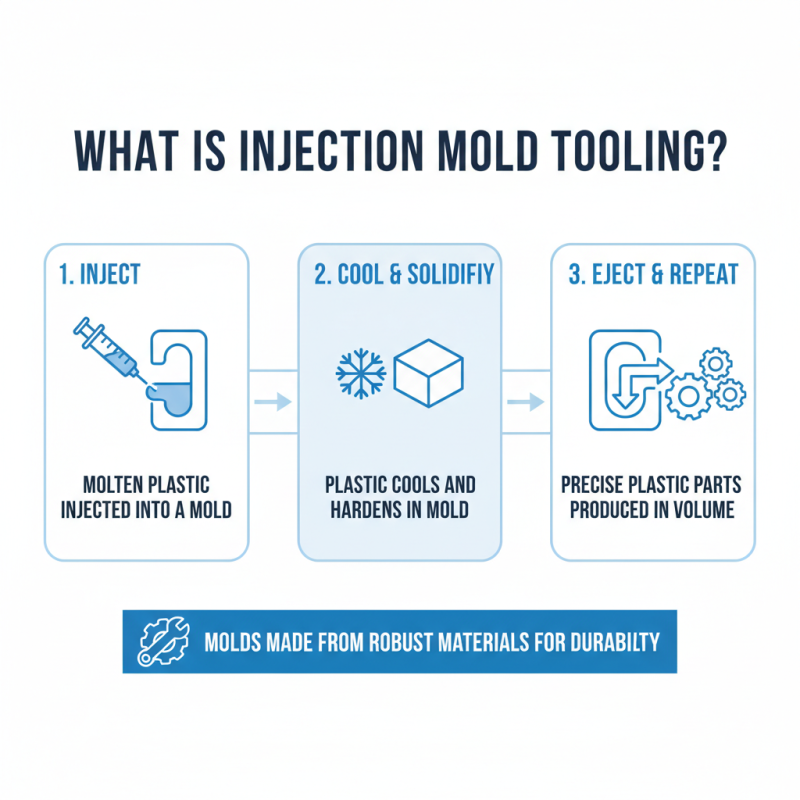
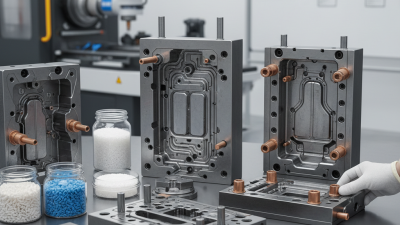
Injection mold tooling is a manufacturing process used to create plastic parts. This method involves injecting molten plastic into a mold, where it cools and solidifies. The result? Precise parts manufactured in large quantities. The molds are usually made from robust materials to withstand high pressures.

Mold design is crucial. Poorly designed molds can lead to defects. For instance, inadequate venting may cause trapped air, leading to imperfections. Always consider the flow of melted plastic and cooling times. Testing the mold design with prototypes can save time and costs in the long run.

**Tip:** Regular maintenance of molds is essential. A well-maintained mold ensures consistent production quality. Inspect molds for wear and tear often, as this can lead to costly downtime.

Understanding the injection mold process helps improve efficiency and product quality. Remember, not all molds will work perfectly on the first try. Iteration is key. You might have to rethink your designs based on the outcomes from initial runs. Embrace the learning curve for better results.
The Key Components of Injection Mold Tooling

Injection mold tooling plays a crucial role in the manufacturing process. It enables mass production of parts across various industries. The effectiveness of this process largely depends on its key components. Understanding these components is essential for optimizing production efficiency.

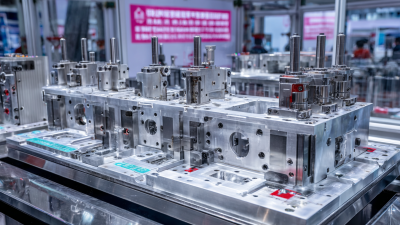
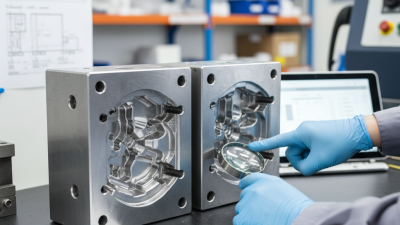
The mold itself is the foundation of this process. It consists of two main halves: the cavity and the core. The cavity shapes the exterior, while the core defines internal features. Each mold is usually crafted from durable materials like steel or aluminum. According to industry studies, 70% of the tooling cost comes from the mold design and fabrication. Hence, precise engineering is vital. Poor design leads to defects and increased costs.

Another critical element is the injection unit, which involves the screw and barrel mechanism. This unit melts plastic pellets and injects the molten material into the mold. Research indicates that nearly 80% of production issues stem from the injection unit's performance. If the melt temperature is inconsistent, it can result in incomplete parts. Additionally, cycle times can vary based on the cooling system's efficiency. These inefficiencies highlight the need for continuous improvement in this area.

What is Injection Mold Tooling and How Does It Work? - The Key Components of Injection Mold Tooling

Component Description Material Used Function
Mold Base The main framework of the mold. Steel or Aluminum Provides support and structure for the mold components.
Cavity The hollow part of the mold that shapes the injected material. Steel or Hard Plastic Defines the final shape of the product.
Core Forms the interior shape of the molded part. Steel or Aluminum Creates internal features of the product.
Ejector Pins Pins used to push the finished part out of the mold. Steel Helps in removing the part without damage.
Sprue The channel through which molten material enters the mold. Steel Facilitates the flow of material into the cavity.

The Injection Molding Process Explained Step-by-Step

Injection molding is a common manufacturing process used to create plastic parts. The process begins with the heating of plastic pellets until they melt. This molten plastic is then injected into a mold under high pressure. The mold is designed with precision to shape the final product.

Once the molten plastic fills the mold, it cools and solidifies. This stage is critical; any inconsistencies can lead to defects. After cooling, the mold opens, and the finished part is ejected. The entire process is efficient and allows for rapid production of complex shapes.

Challenges can arise during the injection molding process. Even minor temperature fluctuations can affect product quality. Molds must be regularly checked and maintained to ensure they are functioning correctly. Designers often face the dilemma of balancing complexity and cost. Each decision impacts the final product's performance and aesthetics.

Materials Used in Injection Mold Tooling

Injection mold tooling is a crucial process in manufacturing plastic parts. The materials used in this process significantly affect the final product's quality. Various metals and alloys are commonly chosen for their durability and heat resistance. Steel is a popular option due to its strength and longevity. Sometimes, aluminum is used for its lighter weight and better machinability. Each material has its pros and cons.

Different materials yield distinct results. Steel molds last longer but are more expensive. Aluminum molds can be cheaper and faster to produce, but they wear out quickly. Designers often face a tough choice between cost and durability. The choice of material can also impact the cooling time. A material that cools quickly may reduce production times significantly. However, it may compromise other aspects of the mold's performance.

There's not a one-size-fits-all solution. Each project demands careful consideration of materials based on production needs. Sometimes, a compromise is necessary. This balancing act can lead to unforeseen challenges. It highlights the need for continuous evaluation and adaptation in the tooling process. The pursuit of the best material for injection molds remains a complex journey.

Injection Mold Tooling - Material Usage Overview

This bar chart illustrates the percentage usage of different materials in the injection mold tooling process. Steel and aluminum are the predominant materials used, while plastics account for a smaller portion. Understanding material distribution helps optimize costs and enhance product quality.

Common Applications and Benefits of Injection Mold Tooling

What is Injection Mold Tooling and How Does It Work?

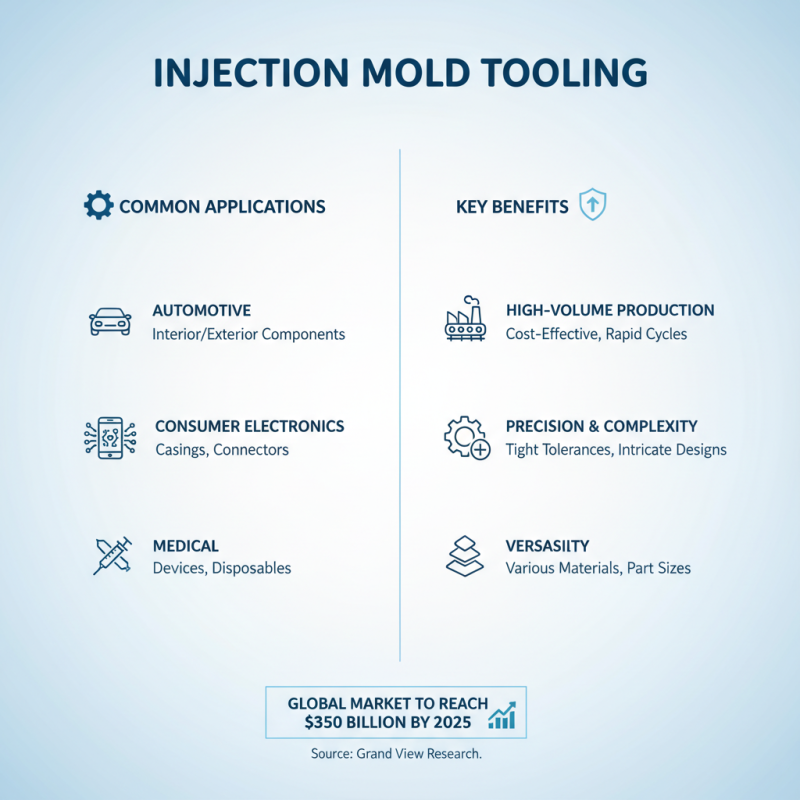
Injection mold tooling is crucial for producing various plastic components. Industries like automotive, consumer electronics, and medical rely on this process. According to a report by Grand View Research, the global injection molded plastics market is projected to reach $350 billion by 2025. This growth highlights the importance of efficient production methods.

Common applications include complex parts like housings, connectors, and toys. The benefits of injection mold tooling are numerous. It offers high-volume production with consistent quality. Parts can be produced quickly, reducing time to market. However, the initial tooling costs can be high. This investment sometimes leads to doubts about return rates.

Tip: When planning an injection mold project, thoroughly analyze your design. Simple changes can lead to cost savings. Maintaining quality control during production is vital. It ensures that the final product meets specifications. Precision in manufacturing can reduce material waste.

Despite its advantages, some challenges exist. Mold design can be intricate, requiring skilled professionals. Small errors can result in costly rework. Additionally, ongoing maintenance of the tools is essential. Neglecting this can lead to defects in production. Regular inspections can help in addressing these issues proactively.