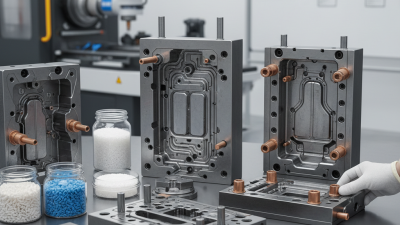
What is Injection Mold Tooling and Why is it Essential?
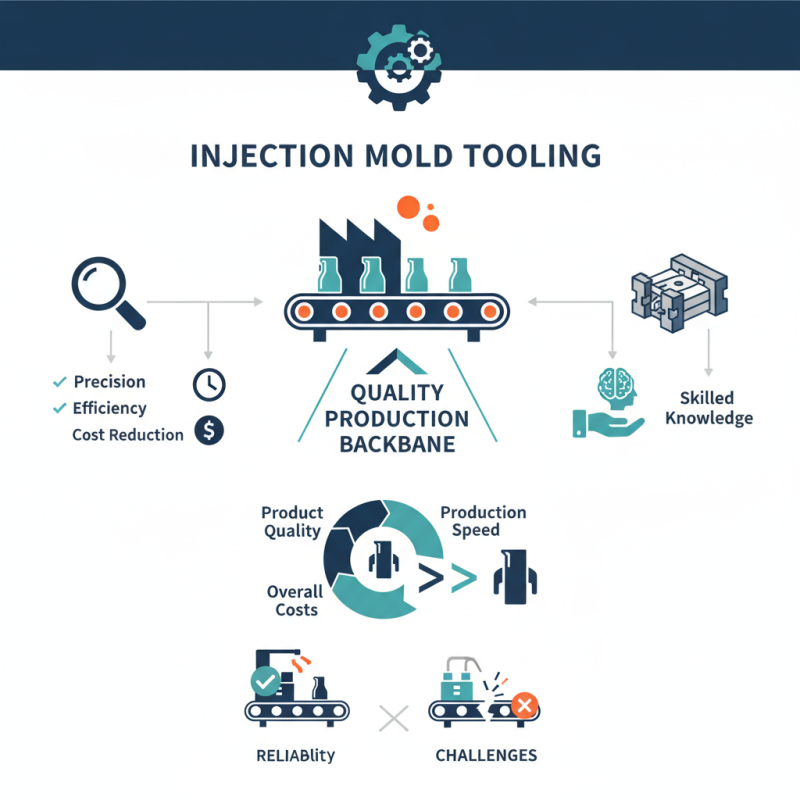
Injection mold tooling plays a crucial role in manufacturing. It refers to the process of creating molds used to shape materials, commonly plastic. As industry expert Dr. Emily Chen noted, “Effective injection mold tooling is the backbone of quality production.” This highlights its essential nature in ensuring precision and efficiency.
In today's competitive market, the importance of injection mold tooling cannot be overstated. It influences product quality, production speed, and overall costs. Well-designed molds lead to better product outcomes. However, poor tooling can cause delays and increased expenses. Companies often underestimate the complexity involved in this process.
Investment in quality injection mold tooling requires careful consideration. It demands skilled knowledge, experienced staff, and financial resources. Many businesses overlook these factors, leading to future challenges. Understanding the intricacies of injection mold tooling is vital for maintaining a successful production line. The right approach ensures both efficiency and reliability, making it an essential aspect of modern manufacturing.
Understanding Injection Mold Tooling: A Comprehensive Overview
Injection mold tooling is a cornerstone of modern manufacturing. It involves the creation of tools used in injection molding, a process that transforms raw plastic into durable components. This method is essential across industries, including automotive and consumer goods. Understanding its intricacies can enhance production efficiency and product quality.
Creating an effective injection mold requires expertise. The design phase is critical. It determines the mold's performance and durability. Good planning can prevent costly mistakes. Mistakes can lead to defects, affecting the final product. Investing time in this stage is prudent.
Tip: Always prototype your mold design. Testing can reveal issues early, saving time and resources later.
Another aspect to consider is material choice. The right materials define the mold's lifespan. Weigh the pros and cons of each option. It’s essential to balance cost, durability, and production needs.
Tip: Consult with experienced engineers before finalizing your material selection. Their insights can steer you in the right direction.
In the realm of injection mold tooling, details matter. Always refine your process based on feedback and observations. This continuous improvement mindset can lead to better design and production standards.
What is Injection Mold Tooling and Why is it Essential? - Understanding Injection Mold Tooling: A Comprehensive Overview
| Dimension |
Description |
Importance |
| Material Selection |
Choosing the right materials impacts the quality and durability of molded parts. |
Critical for achieving desired product properties and performance. |
| Machining Precision |
The accuracy of molds affects the dimensional tolerances of the final product. |
Ensures that parts fit together properly and function as intended. |
| Design Complexity |
The complexity of the mold design influences the manufacturing process. |
Complicated designs can raise costs and production time but can improve functionality. |
| Production Volume |
The number of parts produced per cycle impacts cost efficiency. |
Higher volumes lower the unit price, making it essential for market success. |
| Lead Time |
Time taken from mold design to part production. |
Quick lead times are necessary for competitive market adaptation. |
The Injection Mold Tooling Process: Key Steps and Techniques
The injection mold tooling process is a critical component in manufacturing. It involves several key steps that shape the final product efficiently. First, design engineers create a detailed mold blueprint. This blueprint outlines the specifications and dimensions needed for production. Accuracy is paramount; even minor deviations can lead to significant issues later.
Once the design is approved, the next step involves producing the mold itself. This typically uses durable materials, such as steel or aluminum. The precision machining process must be closely monitored. Any inaccuracies during this stage could compromise the entire batch of products. Following this, the mold undergoes thorough testing. Adjustments are often needed after the initial test runs. These modifications ensure that the mold performs as intended.
After the mold passes testing, it's ready for production. Here, raw plastic is injected into the mold at high pressure. Cooling times are critical; too long can lead to defects, while too short can cause incomplete shapes. Operators must remain vigilant and responsive to any issues that arise during this phase. The injection mold tooling process, despite its complexities, is vital for creating high-quality products.
Materials Used in Injection Mold Tooling: Types and Properties
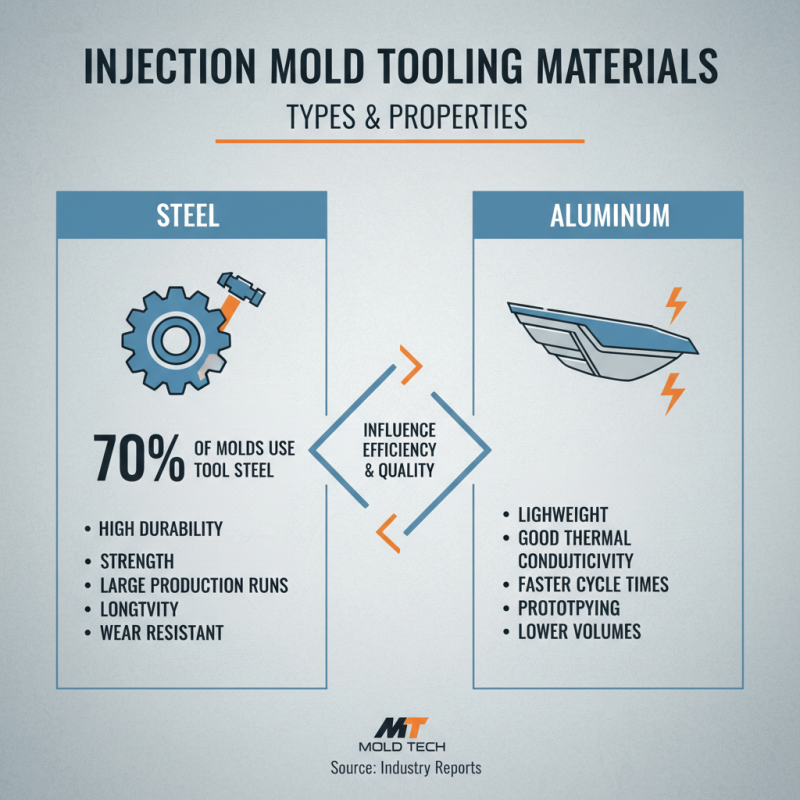
Injection mold tooling relies heavily on the materials selected for creating molds. These materials greatly influence the efficiency and quality of the molded products. Steel and aluminum are the two primary materials used. Steel, for instance, is known for its high durability and strength, making it ideal for large production runs. Reports estimate that over 70% of injection molds use tool steel due to its longevity and resistance to wear.
Aluminum, on the other hand, is favored for prototyping. It allows for faster turnaround times and lower costs, especially for short runs. Studies show that using aluminum can reduce lead times by up to 30%. However, aluminum molds may wear out faster than steel molds, which could lead to increased production costs over time. Each material's thermal conductivity also plays a crucial role in cycle time efficiency.
Several other materials are gaining attention, such as beryllium-copper alloys. These materials combine good thermal conductivity with hardness, making them useful in higher-performance applications. Yet, the choice often reflects a balance between cost and performance. Industry professionals must weigh these factors carefully to optimize both production efficiency and product quality. Balancing these material properties can be challenging, requiring deep knowledge and experience in tooling processes.
Applications of Injection Mold Tooling Across Different Industries
Injection mold tooling plays a critical role in numerous industries, enabling efficient production of complex parts. The automotive sector is one of the largest users, accounting for nearly 30% of the global injection molding market. This technology allows for the creation of intricate components like dashboards and engine parts, which require precision and consistency.
In the medical field, injection molding ensures high standards for producing devices and components. For instance, sterile syringes and surgical tools are often made using this method. The market for medical injection molding is projected to grow significantly, driven by increasing demand for advanced healthcare solutions. Reports suggest this sector may see a CAGR of over 10% in the coming years.
While the advantages are clear, challenges remain. The tooling process can be costly and complex. Molds may require significant lead time and investment. Furthermore, as industries push for faster production and sustainability, tooling must adapt. This ongoing evolution reflects both the potential and obstacles in the injection molding landscape across various sectors.
The Benefits of Effective Injection Mold Tooling for Manufacturing Quality
Injection mold tooling is a critical part of the manufacturing process. It influences product quality and reduces production costs. With nearly 80% of all manufactured goods requiring plastic components, effective tooling is essential. According to a report by the Plastics Industry Association, improper tooling can lead to a 30% increase in production time and costs. This is a significant issue for manufacturers seeking efficiency.
Investing in high-quality injection molds can improve precision and reduce defects. A well-designed mold minimizes waste and optimizes material use. Well-crafted molds can last up to a million cycles. This durability translates to lower per-unit costs over time. However, achieving this level of efficiency requires expertise in mold design and material selection. Many companies still underestimate the importance of investing in robust tooling.
Tips: Always evaluate your tooling partner. Look for those with proven track records and strong industry expertise. Regular maintenance of molds is key. Neglecting this can lead to unexpected downtime and costs. Effective communication with your tooling provider also plays a crucial role. Discuss design changes or material shifts openly to avoid future production pitfalls.
Injection Mold Tooling Benefits