Why Are Manufacturing Applications Essential for Global Sourcing?
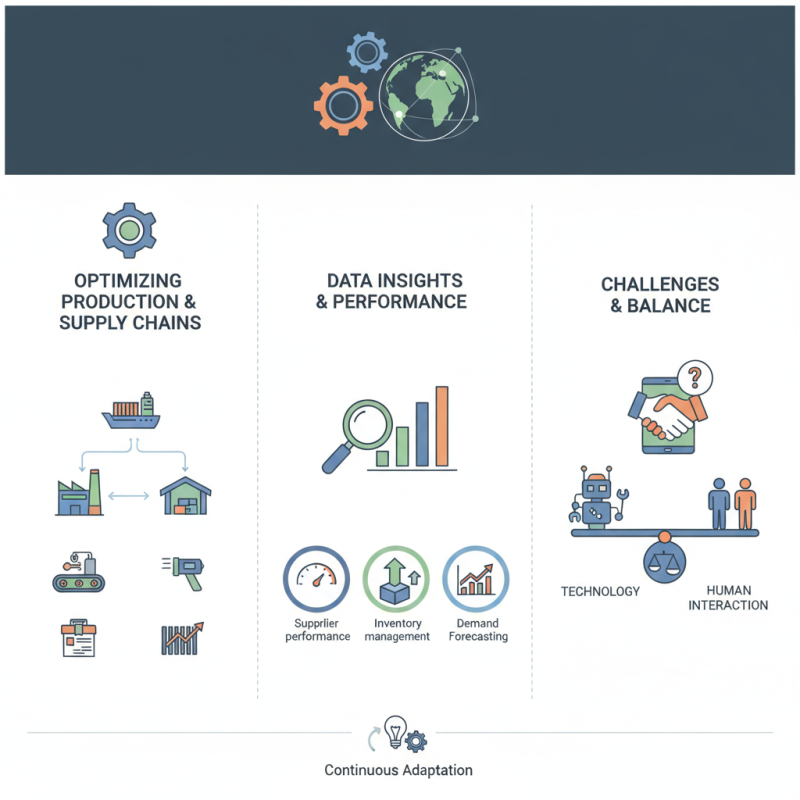
In today's global marketplace, manufacturing applications play a critical role in successful sourcing strategies. They offer businesses a framework to optimize production and streamline supply chains. As companies expand their operations internationally, understanding these applications becomes vital. The right tools help organizations manage complex logistics and improve collaboration with suppliers.
Moreover, manufacturing applications provide valuable data insights. They allow companies to assess supplier performance, monitor inventory levels, and forecast demand. However, reliance on technology can create challenges. Companies may overlook the human elements of sourcing, such as relationship building. This oversight could lead to missed opportunities and inefficiencies.
Incorporating manufacturing applications into sourcing strategies demands ongoing evaluation. Businesses must adapt to changing market conditions and evolving technologies. Regardless of their effectiveness, not every solution will fit every organization. Companies should remain aware of their specific needs and continuously refine their approaches. This balance between technology and human interaction is essential for optimized sourcing.
The Importance of Manufacturing Applications in Global Sourcing
Manufacturing applications play a pivotal role in global sourcing. These applications streamline processes, enhance communication, and improve efficiency. According to a report from Deloitte, companies utilizing manufacturing software see productivity increases of up to 25%. This efficiency boost is crucial in a competitive global market.
One significant benefit of manufacturing applications is their ability to provide real-time data. This feature helps businesses make informed decisions quickly. The importance of timely data cannot be overstated. A study by McKinsey found that data-driven organizations are 23 times more likely to acquire customers. Leveraging this data helps firms optimize their supply chains and respond swiftly to changes in demand.
Tip: Invest in applications that offer detailed analytics to track performance indicators. This ensures your sourcing strategies remain effective and adaptable.
However, not all implementations succeed. Some companies struggle with integration. A lack of proper training can leave employees unprepared. Companies should prioritize user training during the adoption phase for greater success.
Tip: Regularly review your software’s performance. Continuous evaluation helps identify issues early, fostering a culture of improvement.
Manufacturing applications are not just tools; they are essential for steering successful global sourcing strategies. Understanding their potential can significantly impact a company's bottom line.
Key Features of Manufacturing Applications That Enhance Global Sourcing
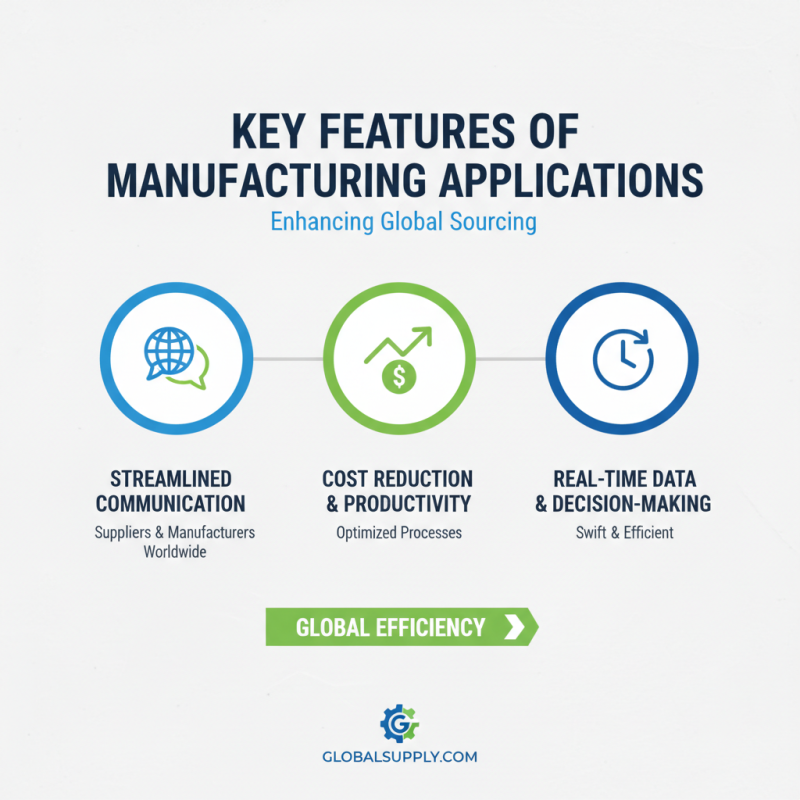
In today's interconnected world, manufacturing applications play a vital role in global sourcing. These tools streamline processes, reduce costs, and enhance productivity. Their significance is evident in how they facilitate communication between suppliers and manufacturers across various regions. Real-time data sharing can lead to swift decision-making, improving overall efficiency.
Key features of manufacturing applications include supply chain visibility and demand forecasting. Advanced analytics empower companies to predict consumer behavior. This capability allows businesses to adjust their sourcing strategies proactively. Enhanced visibility into the supply chain can identify potential bottlenecks early. However, companies must remain vigilant. Over-reliance on technology can create blind spots in critical decision-making.
Another important aspect is integration with existing systems. While many applications promise seamless connectivity, the reality can be complex. Companies may face challenges during implementation. Ensuring that these applications work well with current infrastructures is crucial for success. If not, inefficiencies may arise, undermining the very goals of global sourcing. Continuous evaluation and adaptation are necessary in this dynamic environment.
How Manufacturing Applications Improve Supply Chain Efficiency
Manufacturing applications are vital for enhancing supply chain efficiency. These tools streamline operations, helping businesses manage complex processes seamlessly. By automating tasks, they reduce human error and save time. Companies can monitor inventory in real-time, ensuring they avoid stockouts or overstock situations.
Moreover, manufacturing applications provide valuable data analytics. This data helps identify inefficiencies and areas for improvement. However, integrating these systems can be challenging. Companies must invest time and resources to train their staff adequately. There’s also the risk of relying too heavily on technology without human oversight.
Effective communication between teams can suffer when systems become too automated. It’s crucial to strike a balance. Regularly evaluating these applications is necessary to ensure they meet evolving needs. Constant reflection on their effectiveness can lead to better decision-making and improved outcomes.
Why Are Manufacturing Applications Essential for Global Sourcing? - How Manufacturing Applications Improve Supply Chain Efficiency
| Dimension |
Description |
Value |
| Lead Time Reduction |
Decrease in the time taken from order to delivery |
15-30% |
| Visibility |
Improved tracking and monitoring of supplies and products |
Increased by 40% |
| Cost Savings |
Reduction in operational costs due to efficiency improvements |
Up to 20% |
| Supplier Collaboration |
Enhanced communication and cooperation with suppliers |
Improved by 35% |
| Inventory Management |
Better management of stock levels and reduces excess inventory |
Decrease of 25% |
| Quality Control |
Increased product quality due to improved oversight and standards |
Reduced defects by 50% |
| Flexibility |
Ability to quickly adapt to changes in demand or supply |
Enhanced adaptability by 30% |
The Role of Data Analytics in Manufacturing Applications for Global Sourcing
Data analytics plays a pivotal role in enhancing manufacturing applications crucial for global sourcing. It provides insights that drive efficiency and overall performance. By analyzing data from various sources, businesses can make informed decisions about supplier selection and inventory management. This data-driven approach reduces risks associated with sourcing from multiple regions.
It’s important to utilize analytics tools effectively. Here’s a tip: invest time in training your team on how to interpret data. Analyzing trends over time can highlight potential issues before they become significant problems. Close monitoring can often reveal unexpected insights. Remember, not all data may be relevant. Focus on what truly impacts your supply chain and sourcing decisions.
In manufacturing, it’s easy to rely on established practices. However, stagnant methods can limit growth. Consider this: regularly reassess your analytics framework. Are you capturing the right metrics? Sometimes the data we rely on does not accurately reflect current market conditions. Adapting your approach to analytics can yield new opportunities and a competitive edge.
Challenges in Implementing Manufacturing Applications in Global Sourcing
Implementing manufacturing applications for global sourcing is not without its challenges. Many companies face difficulties in integrating these technologies effectively. Reports indicate that around 70% of businesses encounter barriers during this process. These barriers range from diverse technological standards to varying regulatory environments. Without proper integration, companies risk losing valuable data and insights that drive efficiency.
One major challenge lies in training and adapting staff to new systems. A survey found that about 60% of employees feel unprepared to use new applications. Addressing this knowledge gap requires ongoing training and support. In addition, cultural differences across global teams can hinder collaboration. Effective communication is crucial, yet language and time zone differences often create misunderstandings.
Another obstacle is data security. Organizations may hesitate to share sensitive information across borders. According to a study, 65% of firms worry about data breaches in international collaborations. Companies must develop robust security protocols to mitigate these fears. Balancing innovation with risk management is essential for successful global sourcing. It's clear that while manufacturing applications offer many benefits, overcoming these challenges is vital for maximizing their value.