



The plastic injection moulding process is a vital technology in modern manufacturing. It has transformed industries by enabling the mass production of complex plastic parts. According to recent reports, around 30% of all plastic products are manufactured using this method. This highlights its importance in various sectors, including automotive, consumer goods, and electronics.
The efficiency of the plastic injection moulding process allows companies to produce high volumes with tight tolerances. However, challenges exist. Over 20% of molders report issues with cycle times and waste, which can impact profitability. Certain aspects require ongoing evaluation to optimize production.
Understanding this process is crucial for engineers and manufacturers. Research shows that a well-executed plastic injection moulding strategy can lead to a 50% reduction in production costs. Yet, continuous improvement is necessary to address limitations and enhance output quality.
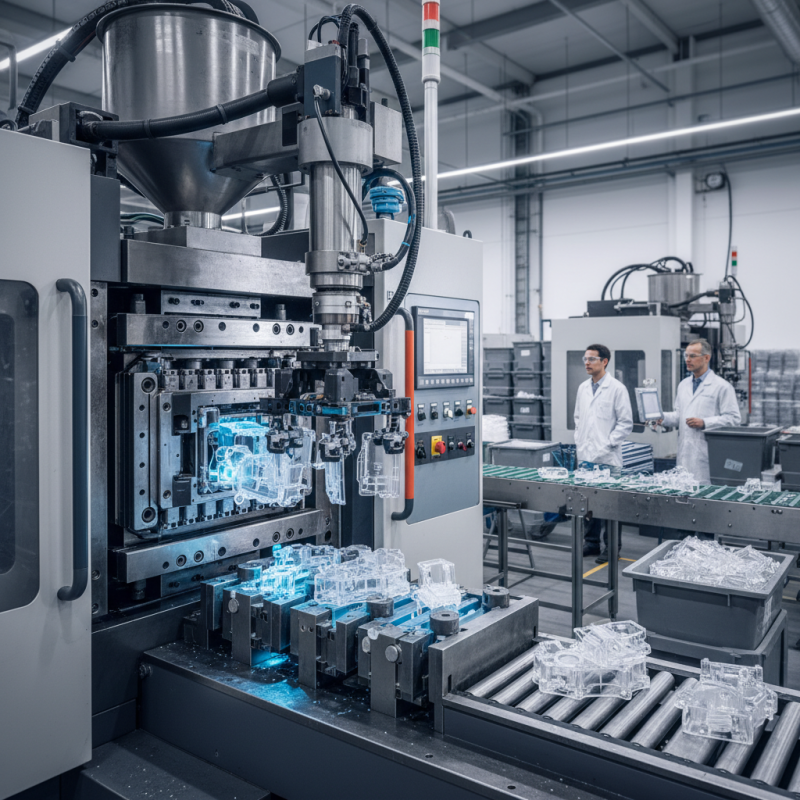
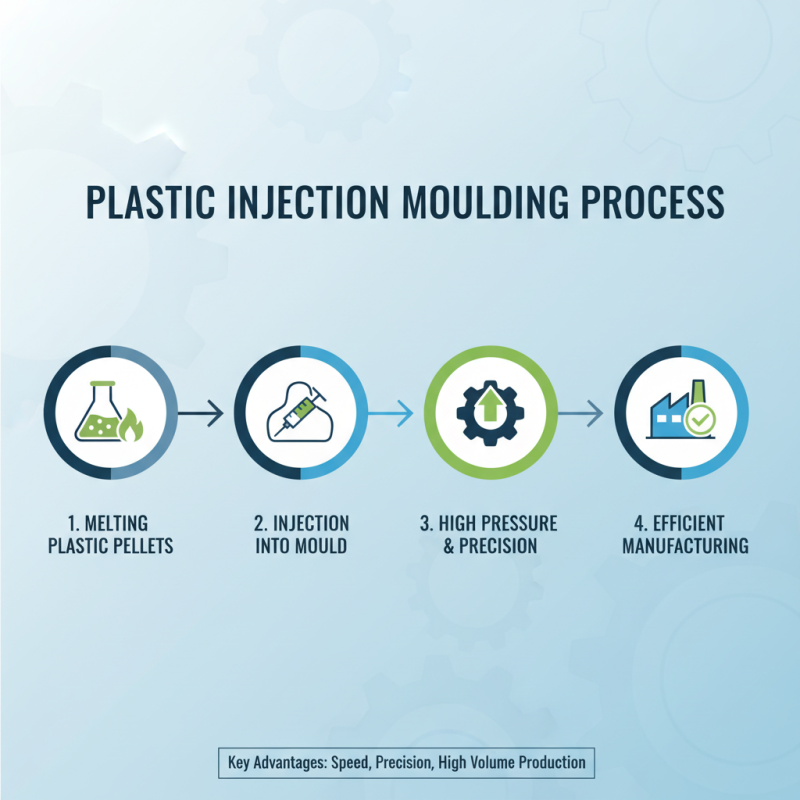
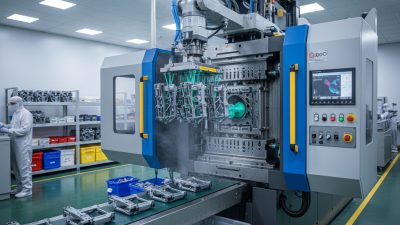
The plastic injection moulding process is a highly efficient manufacturing technique used for producing a wide range of plastic parts. It begins with the melting of plastic pellets in a heated barrel. This transforms solid plastic into a molten state, ready for shaping. The molten plastic is then injected into a mould under high pressure. The speed and precision of this process can lead to significant advantages in manufacturing efficiency.
A key aspect of the process is the cooling phase. Once injected, the plastic is allowed to cool and solidify inside the mould. This step requires careful control of temperature and timing, as uneven cooling can lead to defects. After cooling, the mould opens, and the finished part is ejected. Variations can occur in this part of the process, which sometimes leads to imperfections or misalignment.
While the plastic injection moulding process is effective, it’s not without challenges. Maintenance of the equipment is crucial, as wear and tear can impact quality. The choice of plastic material is also significant; different resins can behave unpredictably. This complexity requires continuous monitoring and sometimes a willingness to adapt methods based on results. A thoughtful approach can mitigate issues and enhance production quality.
The plastic injection moulding workflow consists of several key stages that are vital for producing high-quality plastic components. Initially, the process begins with material selection. Different polymers offer unique properties, such as flexibility or strength. According to a report by the Plastics Industry Association, over 30% of plastics used in manufacturing are thermoplastics, which are ideal for injection moulding.
Next is the injection phase. In this stage, heated plastic pellets are injected into a mould at high pressure. The mould shape directly determines the final product design. Precision is critical here, as even 0.1 mm inaccuracies can lead to significant defects. Production efficiency is another concern. The International Journal of Advanced Manufacturing Technology indicates that cycle times can vary from 15 to 60 seconds, depending on part complexity. This variability often requires careful planning.
Cooling follows the injection phase. This aspect often doesn't receive sufficient attention. An improperly cooled mould can distort the object. It's crucial to investigate cooling times since they impact productivity. Adjusting cooling channels may yield better results, yet many factories overlook this detail. Understanding the intricacies of the cooling process can significantly enhance the overall efficiency of the moulding workflow.
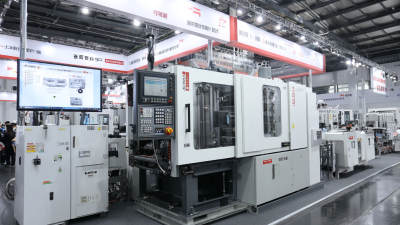
Injection moulding machines vary in type and function. Each type serves unique requirements in the plastic manufacturing process. The primary machines include hydraulic, electric, and hybrid models.
Hydraulic machines are commonly used. They offer significant force and flexibility. This makes them suitable for producing large parts. However, they can consume more energy compared to other types. Electric injection moulding machines provide better energy efficiency and precision. They are ideal for smaller components. Yet, their initial investment cost is higher. Hybrid machines combine both technologies. This gives them the advantages of both, but they can be complex to maintain.
Tip: Consider the specific needs of your production process. Each machine type can affect the final product quality. Regular maintenance is critical to ensure consistent performance. Always assess the trade-offs when choosing a machine type. What works best for one project may not suit another. Reflecting on past experiences can lead to better decisions.
The injection moulding process is versatile, relying heavily on the materials used. Thermoplastics are commonly favored due to their malleability and recyclability. According to industry reports, around 70% of all injection moulded parts use thermoplastics like polypropylene (PP), polystyrene (PS), and polycarbonate (PC). These materials can be easily processed and reshaped, making them ideal for fast production.
Additionally, thermosetting plastics are used in situations where durability is crucial. Materials like epoxy and phenolic resins hold their shape under heat and pressure. They account for about 15% of the market. However, their irreversible curing process limits their flexibility in reshaping once set. This can pose challenges in design revisions or modifications.
Recent advancements focus on bio-based plastics, aiming to reduce environmental impact. Reports indicate a surge in demand for these materials, driven by sustainability goals, yet they still represent a small fraction of the overall market. Issues like performance consistency and production scalability need further exploration. This area remains ripe for innovation and reflects a growing need for eco-friendly manufacturing solutions.
| Material Type | Properties | Common Applications |
|---|---|---|
| Polypropylene (PP) | Lightweight, good durability, and chemical resistance. | Packaging, automotive parts, and consumer goods. |
| High-Density Polyethylene (HDPE) | Strong, tough, and resistant to impact and chemicals. | Bottles, containers, and household products. |
| Acrylonitrile Butadiene Styrene (ABS) | Impact-resistant, good machinability, and surface finish. | Consumer electronics, LEGO bricks, and automotive components. |
| Polycarbonate (PC) | High impact resistance, transparent, and good temperature resistance. | Safety glasses, greenhouse panels, and electronic housings. |
| Nylon (PA) | Excellent mechanical properties, low friction, and wear resistance. | Gears, bearings, and automotive parts. |
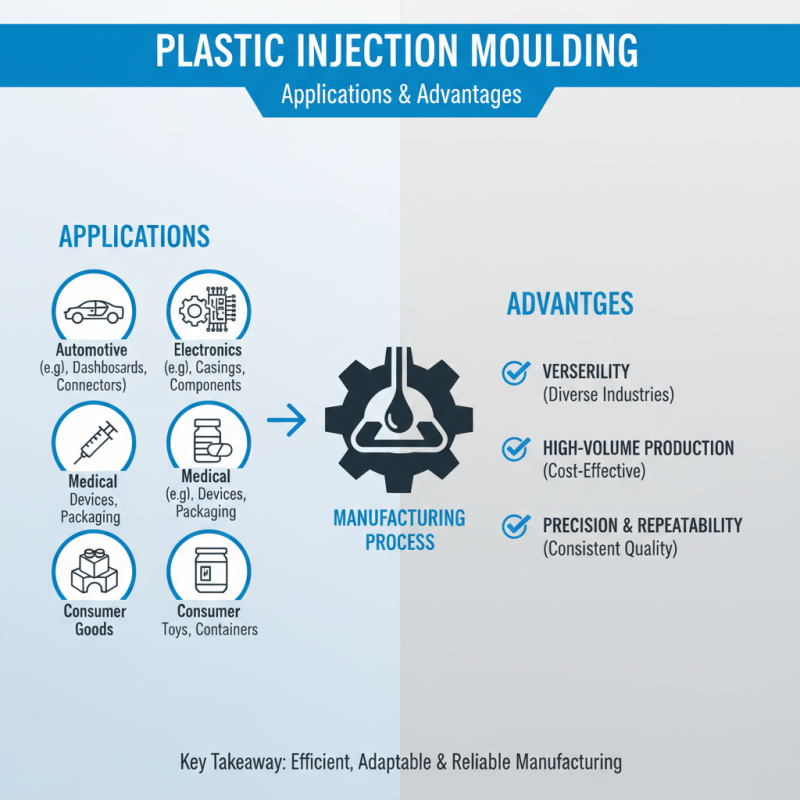
Plastic injection moulding is a widely used manufacturing process. It offers various applications across different industries. This versatility is one of its key advantages.
In automotive manufacturing, for instance, injection moulding creates parts like dashboards and handles. These components require precision and durability. This process ensures high-quality production at a rapid pace. It also contributes to reducing waste during the manufacturing phase. That’s an essential aspect of sustainable practices in today's industry.
Additionally, in consumer goods, plastic injection moulding shapes countless products. From toys to kitchenware, the applications are broad. This process allows for complex designs with minimal effort. However, the initial setup costs can be high. Businesses must weigh these costs against long-term production benefits. Balancing these factors is crucial for decision-making.