How to Source Quality Plastic Injection Molded Parts Effectively?
In today's manufacturing landscape, sourcing quality plastic injection molded parts is paramount. According to a recent report by MarketsandMarkets, the plastic injection molding market is projected to reach $453.53 billion by 2027, growing at a CAGR of 5.4%. This growth underscores the increasing demand for precision-engineered plastic components across various industries, such as automotive and consumer goods.
Effective sourcing can be challenging. Many companies struggle with consistency and quality when working with suppliers. A survey from the Association of Manufacturing Technology revealed that 42% of manufacturers reported concerns about supplier reliability. As a result, companies need to adopt strategic approaches to secure high-quality plastic injection molded parts. Factors such as material selection, supplier capabilities, and production techniques play a crucial role in achieving desired outcomes.
It's vital to reflect on the sourcing process. Not all suppliers are created equal. Some may offer lower prices but compromise on quality. Others may have stringent quality controls but at a higher cost. An optimal balance must be struck to ensure both quality and cost-effectiveness in plastic injection molding. Building relationships with reliable suppliers can lead to long-term benefits, but finding those partners requires careful evaluation.
Understanding the Plastic Injection Molding Process and Its Benefits
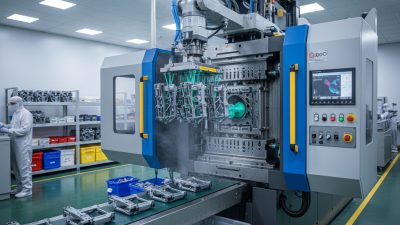
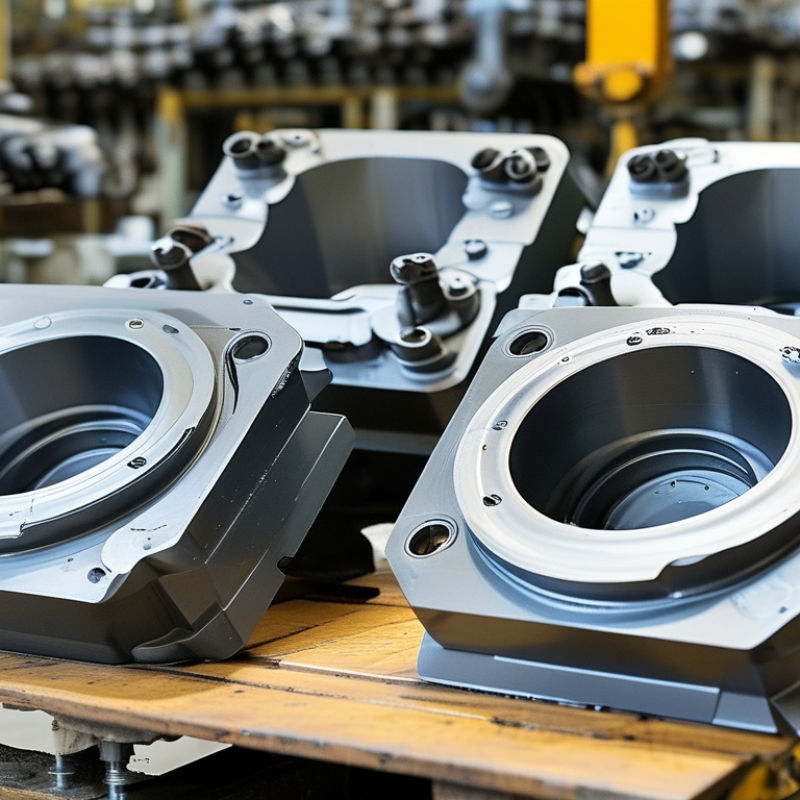
The plastic injection molding process is a critical method for producing high-quality parts. It involves injecting molten plastic into a mold, allowing it to cool and solidify. This method provides excellent precision and repeatability. Manufacturers often choose this process for complex designs. Understanding the benefits can help in sourcing the right parts effectively.
Tips for effective sourcing include assessing the mold design. Each detail can impact the final product's quality. Ensure the manufacturer understands your specifications completely. Communicate openly about your expectations. Quality inspection is vital. Regular checks during production can prevent defects. You might face challenges in achieving desired tolerances. Don’t hesitate to ask for adjustments along the way.
Another important aspect is the choice of material. Different plastics serve various purposes. Consider the mechanical properties required for your application. Research the suppliers’ reputations. Check their experience in the industry. Reliability in delivery is crucial for maintaining production schedules. With these tips, navigating the plastic injection molding process becomes less daunting.
Identifying Key Factors for Selecting Quality Suppliers
Selecting quality suppliers for plastic injection molded parts is crucial for ensuring product excellence. Focus on their experience and capabilities. Check how long they have been in the industry. Longevity often indicates reliability and expertise.
When evaluating a supplier, take a close look at their facility. A well-organized and clean environment usually reflects their commitment to quality. Request samples to gauge their manufacturing standards. This step provides insight into their craftsmanship and helps avoid potential pitfalls in your production process.
Tips: Always ask for references from previous clients. A reputable supplier should gladly provide them. Communication is key. Assess how responsive they are to inquiries. A supplier who values clear communication can save you from future issues.
Evaluating Supplier Capabilities and Production Standards
When evaluating supplier capabilities for plastic injection molded parts, focus on their production standards. Begin by assessing the supplier's experience. A long history often indicates reliability in meeting client demands. Explore their portfolio of previous projects. High-quality samples showcase their capabilities and production techniques.
Next, consider the production processes used by the supplier. Are they utilizing modern technology and equipment? Cutting-edge machines can enhance precision and efficiency, reducing lead times. Pay attention to the materials they work with. Suppliers should source quality raw materials to ensure the final product's integrity.
Communication plays a crucial role in this evaluation. A responsive supplier demonstrates commitment and transparency. However, some suppliers might not provide clear information, which raises concerns. Ask about their quality control measures and certifications. Gaps in quality assurance can highlight potential reliability issues. Understanding these factors helps in selecting a supplier that aligns with your expectations.
How to Source Quality Plastic Injection Molded Parts Effectively? - Evaluating Supplier Capabilities and Production Standards
| Supplier Name |
Capability Rating |
Production Standards |
Lead Time (Weeks) |
Quality Certifications |
Minimum Order Quantity |
| Supplier A |
8/10 |
ISO 9001 |
6 |
ISO 14001 |
100 |
| Supplier B |
9/10 |
TS 16949 |
5 |
ISO 45001 |
50 |
| Supplier C |
7/10 |
ISO 9001 |
8 |
None |
200 |
| Supplier D |
9/10 |
ISO 13485 |
4 |
ISO 14001 |
75 |
| Supplier E |
6/10 |
ISO 9001 |
10 |
None |
300 |
Implementing Effective Quality Control Measures
Quality control in plastic injection molding is critical for achieving reliable results. Implementing effective measures can dramatically reduce defects and improve product performance. According to the American Society for Quality, effective quality management practices can boost productivity by 20-30%. This highlights the importance of stringent quality checks throughout the production process.
One key aspect is the use of statistical process control (SPC). This technique helps manufacturers monitor and control the molding process in real-time. By analyzing variations, companies can identify potential defects before they escalate. A study by the Society of Plastics Engineers indicates that companies utilizing SPC reduce scrap rates by up to 50%. However, many still overlook this method, leading to higher costs and wasted material.
Inspection protocols are equally important. Regular inspections during different production stages can catch issues early. For instance, checking mold temperature and pressure can prevent dimensional inaccuracies. Manufacturers must also consider the material source. Inferior resin quality can lead to subpar parts. Despite this, some still rely on unknown suppliers, risking quality. Prioritizing robust quality control measures can pave the way for sustainable growth in this competitive market.
Establishing Communication and Collaboration with Suppliers
Establishing effective communication and collaboration with suppliers is crucial when sourcing quality plastic injection molded parts. Clear, direct dialogue is essential. Begin with detailed specifications. Discuss material needs, dimensions, and tolerances upfront. Misunderstandings arise from vague descriptions, leading to delays and complications. Consistently share feedback on samples. It fosters improvement and strengthens the supplier relationship.
Building trust is equally important. Invest time in getting to know your suppliers. Understand their capabilities and limitations. Frequent check-ins can help maintain transparency. A reliable supplier will appreciate your proactive approach. However, be mindful of the potential for over-communication, which might overwhelm them. Finding that balance is vital.
Evaluating performance is necessary for continuous improvement. After each project, review outcomes together. Were deadlines met? Was the quality satisfactory? These discussions are invaluable for future collaborations. Suppliers often learn from constructive criticism. Reflecting on challenges faced can guide better decisions moving forward. Open communication cultivates long-term partnerships, benefiting both parties.