Stainless Steel Chains Buying Tips for Global Importers
When navigating the global market for Stainless steel chains, importers face unique challenges. These robust products are essential in various industries, from construction to manufacturing. Understanding the nuances of buying stainless steel chains can make a significant difference in quality and reliability.
Quality assurance is critical. Not all suppliers adhere to the same standards. Researching suppliers thoroughly is vital. Look for manufacturers with experience and a solid reputation in the industry. Reliable suppliers often provide certifications, showcasing their compliance with international standards.
Moreover, pricing can be deceptive. The cheapest option may not always be the best value. Analyze what’s included in the pricing, such as warranties and customer service. Importers often overlook these aspects, leading to regrets later on. Remember, investing time in research pays off in acquiring superior stainless steel chains that meet your specific needs.
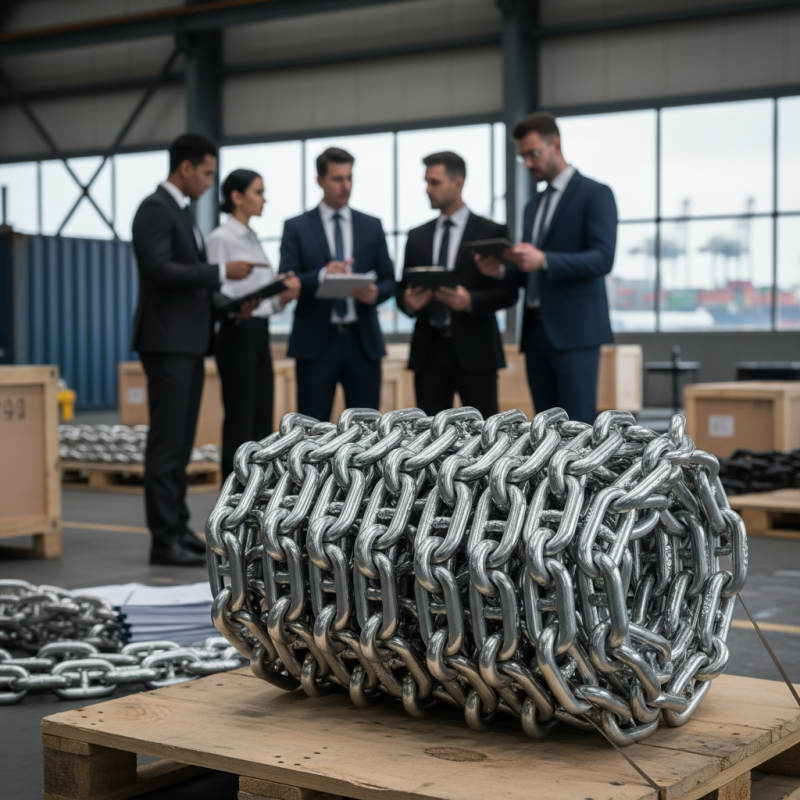
Factors to Consider When Buying Stainless Steel Chains Globally
When buying stainless steel chains globally, several key factors demand attention from importers. Quality is paramount. Not all stainless steel is created equal. According to a report by Lucintel, the global stainless steel market is projected to reach USD 174.7 billion by 2025, driven by higher demand across industries like construction and automotive. Ensuring the chain's grade and composition is essential. For instance, 304 and 316 grades provide distinct resistance to corrosion and rust.
Another factor is the chain's application. Stainless steel chains serve various purposes, from marine applications to lifting and rigging. Each application demands specific strength and durability. The American Iron and Steel Institute (AISI) states that the tensile strength of stainless steel can vary significantly across grades. Importers must carefully assess their specific needs against the mechanical properties of the chain they intend to purchase.
Lastly, the supplier's reputation and reliability play crucial roles. While price is a significant consideration, it shouldn't overshadow quality and service. A cheaper option may lead to unforeseen issues, reflecting poorly on the importer’s operations. A detailed review of supplier certifications and previous client feedback can provide insights into their reliability. Balancing cost, quality, and application while being mindful of potential pitfalls is essential in this global market.
Stainless Steel Chains Buying Tips for Global Importers - Factors to Consider When Buying Stainless Steel Chains Globally
| Dimension | Material Grade | Chain Type | Load Capacity (kg) | Corrosion Resistance | Price Range (USD) |
| 6 mm | 304 | Single Loop | 800 | Excellent | $10 - $15 |
| 8 mm | 316 | Double Loop | 1200 | Excellent | $15 - $20 |
| 10 mm | 304 | Heavy Duty | 2000 | Good | $20 - $30 |
| 12 mm | 316 | Industrial | 2500 | Excellent | $30 - $40 |
| 14 mm | 304 | Commercial | 3000 | Good | $35 - $50 |
Different Types of Stainless Steel Chains and Their Applications
When exploring different types of stainless steel chains, it’s essential to understand their unique applications. Common types include link chains, roller chains, and cable chains. Link chains, known for their strength, are often used in construction. They can handle heavy loads with ease. Roller chains are commonly found in machinery. They excel in power transmission, making them vital in manufacturing settings.
Cable chains, on the other hand, are versatile and used in industries like shipping and logistics.
Tips for buyers: Always consider the specific environment where the chains will be used. Corrosion resistance is crucial, especially in outdoor applications. Ensure that the chain meets the required load specifications to avoid failures. Regular maintenance is essential. Inspect chains frequently for wear and tear. This proactive approach can save time and costs in the long run.
Choosing the right type can be challenging. Not all stainless steel chains are created equal. It’s important to assess your operational needs carefully. Weigh factors like load capacity, flexibility, and environmental exposure. Doing thorough research and consulting with experts can guide you towards the most suitable option.
Quality Standards and Certifications for Stainless Steel Chains
When buying stainless steel chains, quality standards and certifications are crucial. Importers should focus on the material's grade. Look for chains made from 304 or 316 stainless steel. These grades resist corrosion, making them suitable for various environments. A certification from recognized standards organizations adds credibility. It assures that manufacturers meet specific quality benchmarks.
Another vital element is the chain's tensile strength. This strength indicates how much weight the chain can support under load. Importers should request test reports to verify this information. Without proper documentation, it's challenging to assess a product's reliability. Remember, safety cannot be compromised. Always prioritize finding suppliers with a history of compliance.
It is worth noting that not all certifications are created equal. Some may not be recognized globally, which can lead to confusion. Understanding the nuances of certifications is essential. Research reputable organizations that offer certifications relevant to your needs. Familiarize yourself with these details to avoid pitfalls. Transparency is key to building trust with suppliers.
Stainless Steel Chains Quality Standards and Certifications
Cost Considerations and Budgeting for Stainless Steel Chains
When importing stainless steel chains, cost considerations can greatly impact your budget. It's essential to understand that the price varies significantly based on factors like material grade, chain specifications, and order quantities. Stainless steel of higher quality generally comes at a premium. However, cheaper options may lead to increased wear and replacement costs, ultimately affecting your bottom line.
Another important aspect is shipping costs. Importers often overlook transportation expenses, which can add up quickly. Freight charges, customs duties, and insurance should all be factored into your total spend. Be mindful of the terms of delivery, as they can influence the final price. Research potential suppliers carefully; communication styles may also impact pricing negotiations.
Lastly, don't forget about potential hidden costs. Installation and maintenance can surprise many importers. It's wise to request detailed quotations that include all associated costs. Understanding these elements can prevent budget overruns. Balancing quality and costs can be tricky. Successful importers frequently reconsider their strategies to find that sweet spot between expense and reliability.
Sourcing and Selecting Reliable Suppliers for Importing Chains
When sourcing stainless steel chains for import, finding trustworthy suppliers is crucial. A reliable supplier can greatly affect product quality and delivery efficiency. Look for suppliers with a clear track record in the industry. This might involve researching their history and client feedback. Keep a watchful eye on those with consistent positive reviews and a strong reputation.
Check for certifications related to quality standards. This can include ISO certifications or other relevant industry acknowledgments. Such certifications indicate adherence to specific manufacturing processes. Yet, be cautious; not all suppliers provide valid documentation. Verifying these claims is essential. Reaching out to past clients can yield valuable insights.
Establish clear communication. Discuss material specifications and production capabilities upfront. Miscommunication can lead to significant issues. Request samples before making large orders. While this may slow the process, it ensures the product meets your needs. It offers a chance to assess quality firsthand, which is invaluable. Consider visiting suppliers if feasible. An in-person assessment of their operations adds an extra layer of reliability to your buying decision.