Top 10 Tips for Choosing the Best Plastic Balloon Pump
When it comes to selecting the best Plastic Balloon Pump, expert advice can make a significant difference. Dr. Emily Chen, a leading specialist in inflatable products, emphasizes, "The right balloon pump can enhance your event experience." This statement is a reminder that not all pumps are created equal.
Understanding the essentials of a Plastic Balloon Pump is crucial. A quality pump ensures efficiency and reduces frustration during preparation. Many options exist, but each has distinct features that cater to different needs. From manual hand pumps to electric models, the choices can be overwhelming. The right selection depends on the balloon type and the nature of the event.
However, choosing the perfect pump isn't always straightforward. You might find yourself drawn to sleek designs or bright colors, but functionality should be your priority. Balancing aesthetics with performance can lead to a more enjoyable experience. The goal is to inflate balloons with ease and precision, avoiding double pumps and fatigue. This thoughtful approach will lead to a more celebration-friendly atmosphere.
Understanding the Different Types of Plastic Balloon Pumps Available
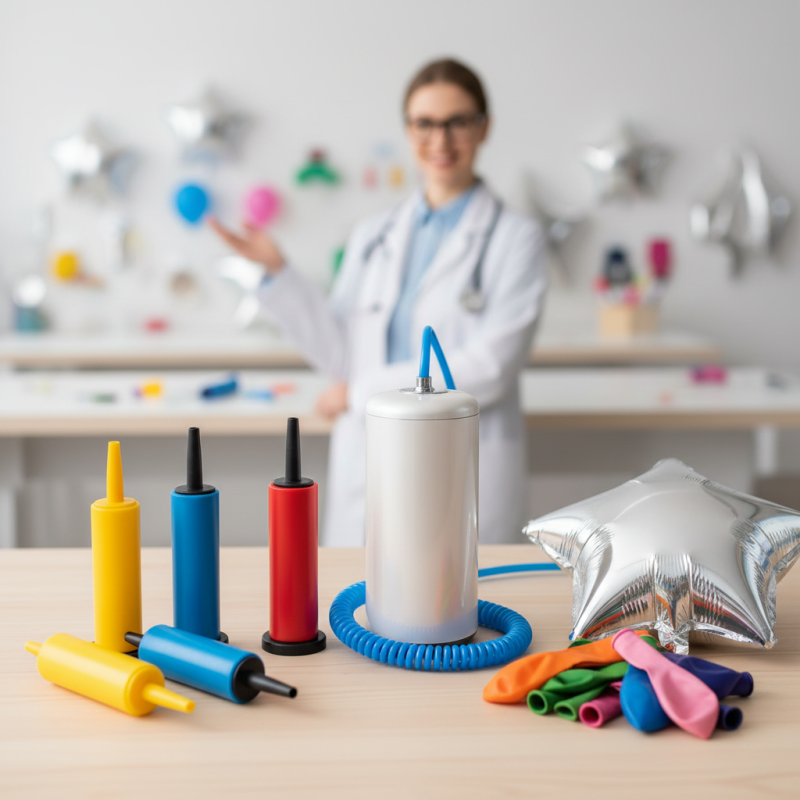
When selecting a plastic balloon pump, understanding the types available is essential. There are manual and electric pumps. Manual pumps require your effort to inflate but offer control over the inflation process. They are often lighter and easier to store, making them a practical choice for casual events. In contrast, electric pumps save time and energy. They quickly inflate many balloons, ideal for large parties or commercial use.
Consider the size and shape of the pump. Some are compact, fitting easily in bags, while others may be bulkier. A larger pump typically has a higher capacity but may not be portable. Pay attention to the nozzle sizes as well. Different nozzle types can accommodate various balloon sizes, enhancing versatility. You may find that some pumps work well for small balloons but struggle with larger ones. This might lead to frustration during preparations.
Take note of build quality, too. A sturdy pump lasts longer. However, heavy materials can add weight. Reflect on your needs—do you require durability, portability, or quick inflation? Exploring user reviews might seem tedious, yet it’s vital. Observing other users’ experiences can reveal potential flaws or advantages. A pump that looks good may not perform well. Prioritize functionality over appearance to avoid future disappointments.
Top 10 Tips for Choosing the Best Plastic Balloon Pump
| Tip | Description | Type | Advantages | Disadvantages |
| Consider Size | Choose a pump that fits your balloon sizes. | Manual | Portable, easy to use. | Can be tiring for large quantities. |
| Check Pump Type | Understand the differences between electric and manual pumps. | Electric | Quick inflation, less physical effort. | Requires power source. |
| Look for Durability | Choose a pump made from high-quality materials. | Plastic | Lightweight and often less expensive. | May wear out faster than metal options. |
| Evaluate Inflation Speed | Know how fast each type can inflate a balloon. | Dual-action | Inflates on both up and down strokes. | May be less common to find. |
| Assess Portability | Consider a pump that is easy to transport. | Compact | Easy to store and carry. | May lack features of larger pumps. |
| Check for Nozzle Variability | Ensure the pump comes with various nozzles for different balloons. | Interchangeable | Versatile for different balloon sizes. | May require more maintenance. |
| Budget Consideration | Determine how much you're willing to spend. | Economical | Affordable options available. | May compromise on quality. |
| Read Reviews | Check consumer feedback for performance insights. | User-recommended | Informed buying decisions. | May not reflect personal experiences. |
| Warranty and Support | Look for pumps with good warranty options. | Guaranteed | Provides peace of mind. | Can add to overall cost. |
| Test Before You Buy | If possible, try the pump to gauge comfort and ease of use. | Hands-on | Assess how it feels to use. | Not always available in stores. |
Evaluating Pump Capacity and Inflation Speed for Your Needs
When choosing a plastic balloon pump, understanding pump capacity is crucial. The pump’s capacity determines how many balloons it can inflate in a given time. If you’re planning a large event, opt for a pump that can handle high volumes quickly. Some pumps can inflate multiple balloons per minute, while others may be slower and more suited for smaller tasks. Knowing your needs will guide you toward the right option.
Inflation speed also matters. A quick pump can save time during setup, especially at parties or events. However, faster inflation isn’t always better. Sometimes, careful inflation is essential to avoid bursting the balloons. Test different pumps if possible. Notice how they handle various balloon sizes. This practical experience can illuminate which pump fits your purposes best.
Be mindful of your environment too. A compact pump may be more suitable for home use, while a larger one might benefit party planners. Reflect on where and how often you'll use the pump. Smaller pumps may struggle with high-demand situations. Think critically about what will work for your specific needs.
Assessing Durability and Material Quality of Balloon Pumps
Choosing a plastic balloon pump requires careful consideration of durability and material quality. A reliable pump should withstand frequent use. Look for pumps made of sturdy plastic that can handle the pressure of inflation. Check if the materials are resistant to wear and tear. Quality pumps often have reinforced seams to prevent leaks. A good test is to try inflating a few balloons before making a purchase.
Assessing the pump's functionality is equally important. Evaluate how easy it is to operate. A simple, ergonomic design can make inflation faster. Read user reviews to gain insights about long-term performance. Some pumps may look appealing but may fail after a few uses. Pay attention to complaints about material breakdown or pump failure.
When you examine the construction, stay alert for any signs of compromise. A little flex in the material might indicate weak spots. Consider the price versus quality. Sometimes, a lower price means lower durability. It can be tempting to choose the cheapest option, but that could lead to frustration during your next party. A well-made pump contributes to a smooth balloon decorating process.
Considering Portability and Ease of Use Features
When choosing a plastic balloon pump, portability is key. Many users prioritize convenience, especially when transporting to events. A survey by the Balloon Industry Association shows that 75% of users prefer lightweight pumps. This is crucial for parties or festivals where mobility matters. Lightweight pumps should easily fit in bags or totes. A single pump weighing under 1 pound is ideal.
Ease of use can significantly impact the user experience. A recent report indicated that 60% of users found manual pumps difficult to operate over long periods. Selecting a pump with ergonomic handles improves comfort, especially during extensive setup. Additionally, consider products with simple assembly features. Some pumps require a learning curve, which can be frustrating.
Look for pumps with clear instructions and intuitive designs. Even a small change can make a big difference, like a wider nozzle for faster inflation. Users often overlook how noise levels affect the environment, as quieter models enhance the atmosphere at events. A noise level below 50 dB is often recommended. Finding the right balance of portability and usability can be challenging but rewarding, leading to seamless and enjoyable events.
Reviewing Customer Ratings and Feedback for Best Options
When selecting a plastic balloon pump, customer ratings can offer invaluable insights. Many users highlight the importance of performance. A pump that inflates quickly is often preferred. Users also mention comfort during use. If a pump feels awkward, it might lead to frustration. Read through reviews carefully. Some pumps are more durable than others, which can affect long-term satisfaction.
Another factor to consider is noise level. Some models operate quietly, making them suitable for events. Others can be surprisingly loud. This can be a consideration for quieter gatherings. Look for feedback that specifically mentions noise levels. Many consumers tend to share experiences with customer service as well. Quick responses can be a sign of a reliable manufacturer. However, not all companies meet these expectations.
Pay attention to recurring themes in customer feedback. If several people report similar issues, take note. Features that impress one user may not work for all. A few users wish they had chosen differently. Their reflections can guide your decision. Testing different pumps before finalizing your choice can also help.
Top 10 Plastic Balloon Pump Options Based on Customer Ratings