Top 5 Flotation Equipment Solutions for Global Buyers?
The global demand for Flotation Equipment has surged significantly in recent years. According to a market analysis report by Research and Markets, the flotation equipment sector is projected to grow at a compound annual growth rate (CAGR) of 5.2% through 2025. This growth emphasizes the increasing reliance on flotation technology in mining, wastewater treatment, and other industries.
Flotation equipment plays a crucial role in separating valuable minerals from waste materials. For example, in the mineral processing industry, flotation cells help recover up to 90% of copper from ores. However, the effectiveness of these systems can vary based on installation and operator experience. Many facilities still grapple with optimizing their flotation processes, leading to a need for a more analytical approach.
Furthermore, choosing the right flotation equipment can be challenging. There are numerous options available, and each has its own set of advantages and challenges. Global buyers must navigate these complexities to make informed decisions. By understanding the top available options in flotation equipment, companies can enhance their operational efficiency and improve overall productivity.
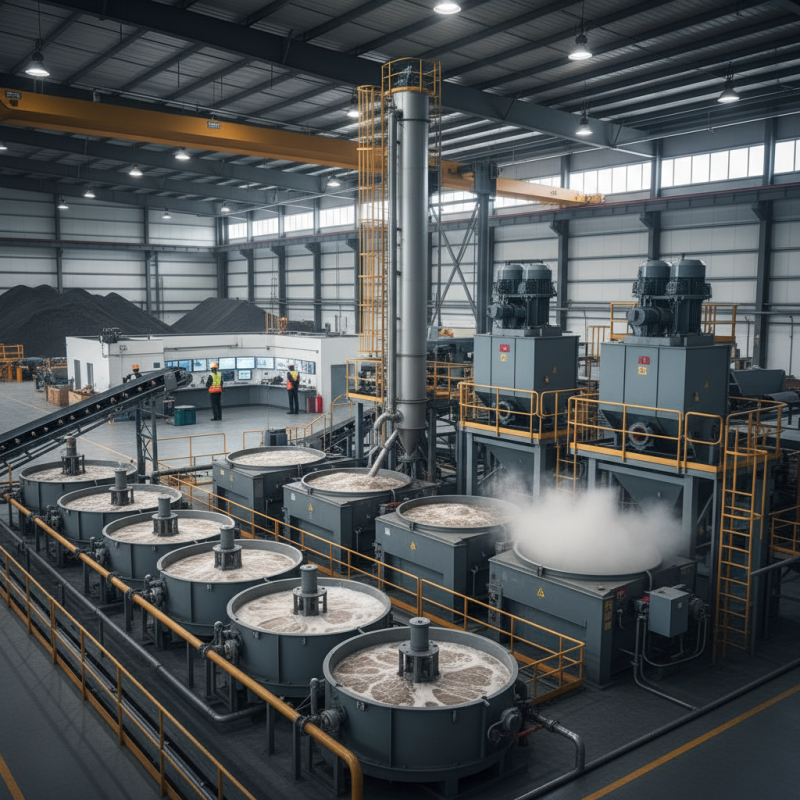
Overview of Flotation Equipment in the Global Market
Flotation equipment plays a crucial role in mineral processing and recycling. Its efficiency directly impacts recovery rates for various materials. Many buyers face challenges when selecting the right solution. Parameters like size, capacity, and design must align with their specific needs. A thorough understanding of these factors is essential for making informed decisions.
In the global market, options vary significantly. Some regions may have advanced technologies, while others still rely on traditional methods. Variability in local infrastructure can affect equipment performance. Buyers should assess these differences to ensure compatibility. Furthermore, consulting with experts can provide insights into potential risks and benefits of various equipment types.
Many users report difficulties in maintenance and operational training. This highlights the need for user-friendly designs. Additionally, understanding the environmental impacts is becoming increasingly important for global buyers. Companies must prioritize sustainability to meet regulatory demands and market expectations. Therefore, evaluating flotation equipment requires a comprehensive approach, considering both technical and environmental aspects.
Top 5 Flotation Equipment Solutions for Global Buyers
| Equipment Type | Application | Capacity (m³/h) | Material Type | Average Cost (USD) |
| Dissolved Air Flotation (DAF) | Water Treatment | 20 | Plastic | 15,000 |
| Column Flotation | Mineral Processing | 50 | Steel | 25,000 |
| Mechanical Flotation Cell | Mining | 15 | Coated Steel | 10,000 |
| Lamella Clarifier | Wastewater Treatment | 30 | Aluminum | 20,000 |
| Froth Flotation Machine | Coal Processing | 25 | Fiberglass | 32,000 |
Key Factors for Selecting Flotation Equipment Solutions
Choosing the right flotation equipment is critical for many industries, especially mining and recycling. Factors such as efficiency, cost, and material compatibility play a significant role. A recent industry report indicates that flotation systems account for over 60% of total processing costs in mineral extraction. Ensuring that the chosen equipment maximizes recovery rates can substantially impact the bottom line.
When evaluating flotation equipment, consider the particle size and ore type. Reports suggest that optimized equipment can improve separation rates by up to 30%. Additionally, maintenance and operational costs are crucial. According to a survey, about 40% of companies experience unexpected equipment failures, leading to production delays. Investing in reliable equipment may initially seem costly, but the long-term benefits often outweigh these expenses.
Moreover, energy efficiency is becoming a priority. Industry data shows that energy costs account for about 20% of total operational expenses in flotation plants. Transitioning to more energy-efficient systems can yield savings and reduce environmental impact. It's essential to stay informed about emerging technologies and sustainable practices that enhance both performance and compliance.
Top 5 Flotation Equipment Solutions for Global Buyers
Top 5 Flotation Equipment Solutions for Different Industries
Flotation equipment plays a critical role across various industries. In mining, flotation cells separate valuable minerals from ore. They utilize air bubbles to attract and lift particles. This method enhances recovery rates, but operators must regularly maintain the equipment. Downtime can lead to significant financial loss.
In wastewater treatment, flotation units help remove contaminants. They work by generating bubbles that lift pollutants to the surface. However, choosing the right configuration is vital. Factors like bubble size and flow rate greatly impact efficiency. A poorly designed system might not meet treatment goals.
The food industry also relies on flotation technology. It is used to clarify liquids and remove impurities. However, achieving optimal results requires a deep understanding of the product flow. Miscalculations can cause batch inconsistency. Operators need experience to adjust processes as required.
Comparative Analysis of Leading Flotation Equipment Manufacturers
When comparing flotation equipment manufacturers, various factors come into play. Efficiency is critical; it directly influences the recovery rate of valuable minerals. Many manufacturers focus on optimizing their designs to maximize this efficiency. Different types of equipment offer unique features, like adjustable air flow and customizable cell configurations. Not every solution fits every need, which can lead to mismatches in expectations.
Reliability is another pivotal aspect in choosing flotation equipment. Manufacturers often provide data on expected performance under specific conditions. However, these numbers can vary significantly in real-world applications. Some users report issues with consistent performance over time, leading to operational delays. Trade-offs exist between cost and quality; cheaper options may lack the durability needed for rigorous applications.
Expert support and customer service from manufacturers also deserve attention. Customers often need assistance in integrating equipment into existing processes. Some companies excel at providing on-site training and ongoing support. Others may lack a comprehensive service approach, leaving customers to navigate challenges alone. The experience of industry peers can also help inform choices, though anecdotal evidence can be subjective.
Future Trends in Flotation Technology and Solutions
Flotation technology is evolving rapidly, driven by the need for efficiency and sustainability. In recent years, significant advancements have been noted. For instance, according to a 2022 report by Market Research Future, the global flotation equipment market is expected to grow at a CAGR of 6.5% until 2027. This growth highlights an increasing demand for innovative solutions.
One key trend is the integration of automation and artificial intelligence into flotation processes. These technologies can enhance operational efficiency, reduce energy consumption, and improve recovery rates. A 2021 study from the International Journal of Mineral Processing revealed that automating flotation plants could reduce operational costs by up to 20%. However, many companies still struggle with implementing these high-tech solutions effectively. The steep learning curve and initial investment can be barriers.
Another noteworthy trend involves the use of eco-friendly reagents. As regulations tighten and environmental concerns rise, the industry is shifting towards sustainable practices. The World Economic Forum reported that up to 40% of conventional chemicals are being replaced with biodegradable alternatives. While this transition is promising, it requires extensive testing and adaptation to ensure efficacy. Companies must navigate these challenges to avoid disruptions in their flotation operations.