Top Hospital Furniture for Sale in 2026 What to Consider?
In 2026, the hospital furniture for sale market continues to evolve. The demand for high-quality hospital equipment is surging. According to a recent report by MarketsandMarkets, the global hospital furniture market is projected to reach $19.5 billion by 2026. This growth underscores the importance of investing in ergonomic and versatile design.
Experts stress the need for hospitals to carefully consider their furniture choices. Dr. Emily Carter, a notable authority in healthcare design, emphasized, "The right hospital furniture can significantly enhance patient care." Her insight reflects a key trend: healthcare environments must prioritize patient comfort and staff efficiency.
Selecting hospital furniture for sale involves numerous factors. Hospitals must assess durability, maintenance, and patient needs. The current market offers diverse options, but it is essential to reflect on long-term investments. Optimal choices can improve patient outcomes and operational efficiency. However, with so many choices, hospitals may feel overwhelmed. It’s crucial to be thoughtful and strategic in these decisions.
Top Hospital Furniture Market Trends and Predictions for 2026
The hospital furniture market is expected to grow significantly in 2026. According to recent industry reports, the market could reach a value of $32 billion by then. This growth reflects a rising demand for ergonomic and efficient hospital furnishings that enhance patient care and staff efficiency.
Emerging trends indicate a shift towards modular designs, allowing for flexible reconfiguration in healthcare settings. This adaptability can make a difference in optimizing space usage. Moreover, sustainability is becoming a priority. Many facilities are seeking eco-friendly materials that reduce environmental impact. About 45% of hospitals surveyed regard sustainability as essential in their purchasing decisions.
However, challenges remain. Many healthcare providers struggle to balance budget constraints with the need for high-quality furniture. Cost-effective choices might compromise durability or support. In a crucial environment like a hospital, this could lead to issues in patient care. Therefore, thoughtful evaluation of furniture that meets both budget and healthcare demands is critical. Observing market trends is just one part of this complex decision-making process.
Key Features of High-Quality Hospital Furniture to Enhance Patient Care
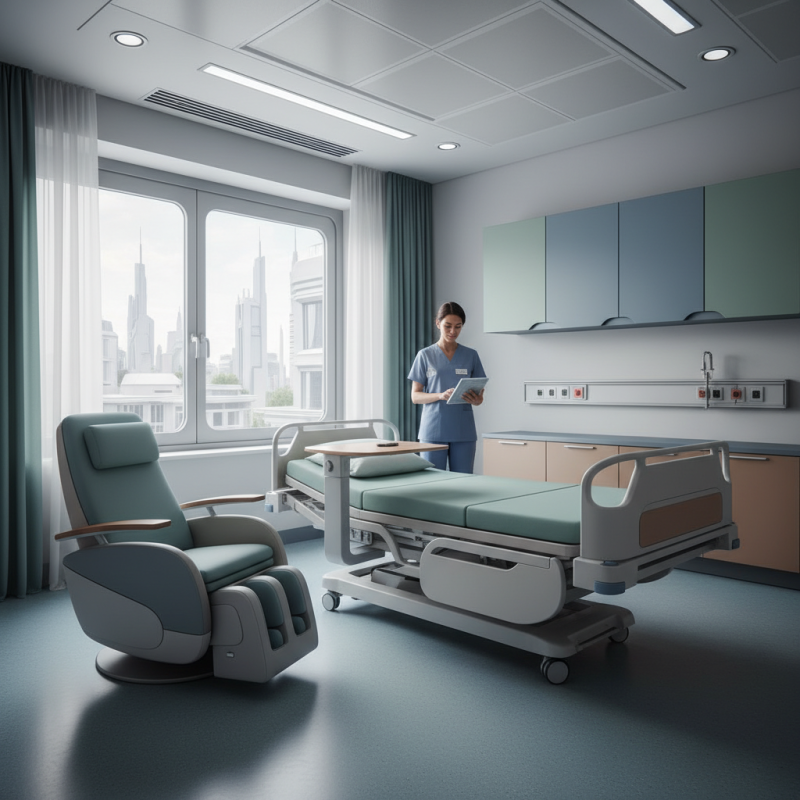
When choosing hospital furniture, several key features are crucial for enhancing patient care. Comfort is paramount. For instance, adjustable beds allow patients to find their optimal resting position. This small adjustment can lead to great comfort. Additionally, ergonomic chairs support both patients and staff during long hours of waiting.
Material selection is another aspect to consider. High-quality, durable materials not only withstand wear but also ensure cleanliness. Easy-to-clean surfaces reduce infection risks. Bright colors and appealing designs can positively affect the mood of patients. This simple change can shift an atmosphere from sterile to welcoming.
Space is also a significant factor. Furniture should fit the layout of the room. A cramped space can hinder mobility for both patients and caregivers. Reflecting on existing setups may reveal areas needing improvement. Remember, the goal is to create an environment that promotes healing and comfort.
Top Hospital Furniture for Sale in 2026 - Key Features to Enhance Patient Care
| Furniture Type | Material | Key Features | Estimated Price Range |
| Hospital Bed | Steel and Foam | Adjustable height, built-in scales, ergonomic design | $1,200 - $2,500 |
| Overbed Table | Wood and Metal | Adjustable height, rolling wheels, stability | $150 - $350 |
| Patient Recliner | Vinyl and Steel | Multi-position recline, easy to clean | $600 - $1,200 |
| Couch Bed for Family Stay | Fabric and Metal | Transformable, comfortable, stitching durability | $800 - $1,500 |
| Storage Cabinet | Wood and Metal | Lockable, multi-compartment, mobile design | $400 - $800 |
Ergonomics in Hospital Furniture: Importance for Staff Efficiency in 2026
In 2026, the focus on ergonomics in hospital furniture is crucial. Properly designed furniture can significantly enhance staff efficiency. Nurses and doctors spend long hours on their feet. If the furniture doesn't support their comfort, it leads to fatigue and stress. This impacts patient care directly.
Choosing adjustable chairs and height-specific workstations can make a considerable difference. Ergonomic furniture promotes better posture, reducing the risk of injury. Consider adding anti-fatigue mats in high-traffic areas. This simple change can ease discomfort for the staff who constantly transition between tasks.
Tip: Assess the layout of your hospital. Ensure that furniture placements reduce unnecessary movements. Staff should easily access tools and equipment. Creating a well-organized workspace can minimize distractions. A streamlined workflow improves staff morale and enhances overall efficiency. It's essential to reflect on existing setups. Sometimes, small modifications can lead to significant improvements.
Sustainable Materials in Hospital Furniture: Environmental Impact and Benefits
Sustainable materials are crucial in hospital furniture. They reduce environmental impact significantly. More hospitals are choosing eco-friendly options. This shift supports green initiatives and public health.
Materials like recycled metals, bamboo, and sustainably sourced wood are gaining popularity. These choices lessen waste and often prove more durable. Furniture made from these materials can last longer, which is essential in high-demand settings. However, some products may still rely on conventional materials, leading to missed opportunities for sustainability.
The benefits extend beyond the environment. Furniture made from sustainable materials can improve indoor air quality. This is vital for patients and staff. Yet, challenges remain. Not all sustainable options are readily available. Hospitals must balance cost and quality, but the investment can lead to healthier spaces. It's a thoughtful approach that can inspire a new standard in healthcare design.
Top Hospital Furniture for Sale in 2026: Environmental Impact of Sustainable Materials
Cost Analysis of Investing in Modern Hospital Furniture Solutions in 2026
Investing in modern hospital furniture in 2026 requires careful consideration of costs. According to industry reports, the hospital furniture market is expected to reach $16 billion by 2026. This growth stems from the increasing demand for enhanced patient care and comfort. However, it's crucial to analyze the initial costs versus long-term benefits.
Budgeting for hospital furniture is not just about upfront prices. Maintenance costs can add up over time. Furniture that is durable and easy to clean usually incurs lower long-term expenses. Many hospitals overlook this aspect, leading to higher operational costs. A well-chosen piece might cost more at first, but it protects your budget in the long run.
Tips: Invest in ergonomic designs. They enhance patient recovery and staff efficiency. Durable materials are essential. This avoids frequent replacements. Monitor your spending closely. Rethink your choices if costs exceed budgets or if the furniture doesn’t meet quality standards. Analyzing these factors makes your investment worthwhile.