






Top 10 Machining Tools Tips for Beginners and Experts?
Understanding machining tools is essential for both beginners and experts in the field. These tools are the backbone of creating precise components. Whether shaping metal or crafting intricate designs, the right tools make a significant difference.
In the world of machining, there’s much to learn. Beginners often feel overwhelmed by the variety of machining tools available. Experts, on the other hand, continually refine their techniques and knowledge. Mistakes are common and can serve as valuable lessons. Investing time in understanding each tool's purpose is crucial for success.
Each tool has its quirks. Some are intuitive, while others require practice to master. Reflecting on past errors can provide insight and improve skills. Keep an open mind to learn from experiences. The journey with machining tools is ongoing, and there's always room for improvement, no matter your skill level.
Essential Machining Tools Every Beginner Should Know
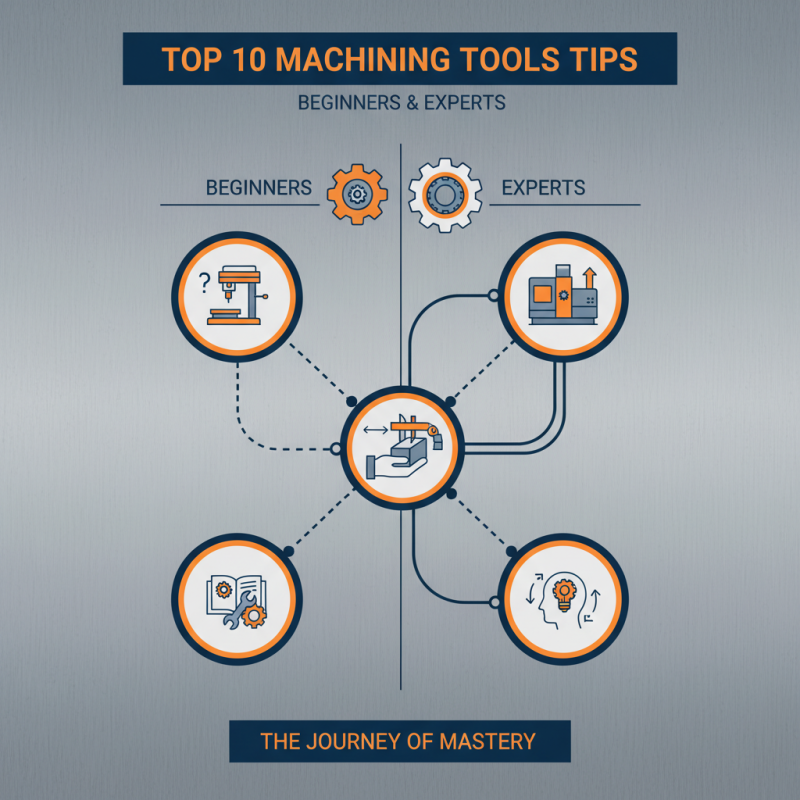
When starting in machining, having the right tools is crucial. There are a few essential tools that every beginner should have. A sturdy lathe is fundamental. It helps shape materials effectively. A milling machine is also important. It allows for precise cuts and operations.
Beyond these machines, hand tools like calipers and micrometers play a key role. They help measure and ensure accuracy. Don't underestimate the importance of safety equipment too. A good pair of goggles can save your eyes from flying debris. Additionally, a stable workbench can make a difference in your workflow.
Mistakes are part of the learning process. You might accidentally ruin a piece of material. Embrace these errors; they often lead to valuable lessons. Sometimes, a tool may not work as expected. It may require adjustment or even replacement. Reflect on these experiences. They build your skills and confidence as you continue in the world of machining.
Top 10 Machining Tools Tips for Beginners and Experts
| Tool | Description | Use Case | Tip for Beginners |
|---|---|---|---|
| Lathe | A machine tool for shaping material | Turning operations | Start with soft materials to practice |
| Milling Machine | Machine for cutting and shaping material | Creating flat surfaces | Familiarize with feed rates and speeds |
| Drill Press | Machine for precise drilling | Drilling holes in various materials | Use a clamp to secure materials |
| Band Saw | Saw with a long, sharp blade | Cutting irregular shapes | Keep the blade correctly tensioned |
| Surface Grinder | Machine for finishing surfaces | Achieving flatness and dimensional accuracy | Learn wheel selection for different materials |
| CNC Machine | Computer-controlled machining | Precision machining | Practice programming with simple shapes |
| Tapping Machine | Machine for creating tapped holes | Threading operations | Understand tap sizes and materials |
| Bench Grinder | Versatile tool for sharpening | Tool maintenance | Use safety glasses when operating |
| Sander | Tool for smoothing surfaces | Finishing work | Start with coarse grit and move to fine |
| Tool Box | Storage for hand tools | Organizing work area | Keep it organized to find tools easily |

Related Posts
-

What is Micro Machining? A Comprehensive Guide to Its Techniques and Applications
-
How to Choose the Right Machining Tools for Your Project Success
-

Understanding the Future of Plastic Components in Sustainable Manufacturing Processes
-

2025 Top Machining Tools: Revolutionizing Precision and Efficiency in Manufacturing
-

How to Achieve Superior Results with Super Finishing Techniques
-

2025 How to Choose the Right Injection Tooling for Your Manufacturing Needs