What Are the Top Manufacturing Technology Trends for 2026?
As we look ahead to 2026, the landscape of manufacturing technology is set to evolve dramatically. Experts believe that innovations in smart automation, artificial intelligence, and sustainability will reshape the industry. Dr. Emily Chen, a renowned manufacturing technology expert, once noted, "The next wave of manufacturing will prioritize agility and intelligence."
In this dynamic field, companies are striving for efficiency and flexibility. For instance, smart factories implementing IoT devices can monitor performance in real time. However, challenges persist. Not all businesses can invest in high-end technology. Transitioning to these advanced systems also requires skilled labor, which can be a barrier.
With every advancement, there will be a need for reflection. The pace of change is rapid, but it is crucial to ask whether we are ready to adapt. Manufacturing technology will drive growth, yet it also demands critical thinking about workforce readiness and environmental impacts. The trends we embrace today will shape the manufacturing world of tomorrow.
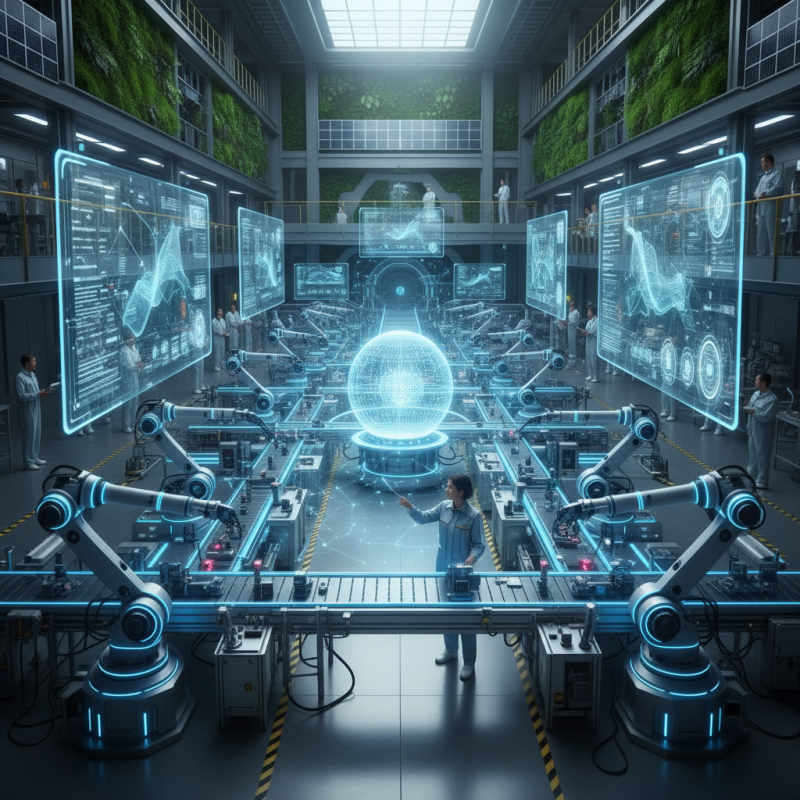
Emerging Technologies Revolutionizing Manufacturing Processes
As we approach 2026, manufacturing technology is evolving rapidly. Emerging technologies are transforming traditional processes in significant ways. Artificial intelligence is becoming integral. It helps in predictive maintenance, improving efficiency and reducing downtime. These smart systems can analyze vast amounts of data, identifying patterns that humans might overlook. Yet, there are concerns about the reliance on AI. Sometimes, the insights may lead to misguided decisions.
Additive manufacturing, or 3D printing, is also gaining traction. It allows for customized production at an unprecedented scale. Parts can be produced on demand, reducing inventory costs. However, this technology is not without challenges. Quality control remains a hurdle, and the material options are still limited. Manufacturers must balance innovation with product reliability.
Robotics continues to play a vital role too. Collaborative robots, or cobots, work alongside humans, boosting productivity. They can handle repetitive tasks, allowing human workers to focus on complex problems. Yet, the workforce must adapt to this change. Upskilling and training are essential to avoid potential job displacement. Addressing these issues is vital for a smoother transition into the future of manufacturing.
What Are the Top Manufacturing Technology Trends for 2026? - Emerging Technologies Revolutionizing Manufacturing Processes
| Trend |
Description |
Impact |
Projected Adoption Rate (%) |
| Artificial Intelligence (AI) |
Leveraging AI for predictive maintenance, quality control, and intelligent supply chain management. |
Increased efficiency and reduced downtime. |
75% |
| Internet of Things (IoT) |
Integration of IoT devices to monitor and manage production processes in real-time. |
Enhanced data collection and operational visibility. |
70% |
| Advanced Robotics |
Usage of collaborative robots (cobots) to work alongside human workers. |
Increased productivity and safety in manufacturing environments. |
65% |
| Additive Manufacturing |
Utilizing 3D printing technologies to produce parts and products on-demand. |
Reduction of waste and the ability to create complex geometries. |
60% |
| Digital Twin Technology |
Creating virtual replicas of physical systems to simulate and optimize operations. |
Improved decision-making and operational efficiency. |
55% |
Advancements in Automation and Robotics for Enhanced Production
Advancements in automation and robotics are set to transform manufacturing by 2026. According to a recent report by McKinsey, automated processes could enhance productivity by up to 30% in various sectors. This shift is driven by increased efficiency and the need for cost reductions. Factories are rapidly embedding robotics to handle repetitive tasks. This allows human workers to focus on complex, value-added activities.
The integration of AI in robotics is another key trend. A survey by PwC indicates that 45% of manufacturing jobs could be automated by 2030. However, this raises concerns about job displacement. Automation can improve production rates, but it also creates a skills gap. Workers need reskilling to adapt to new technologies.
While the potential is enormous, challenges remain. Many small and medium-sized enterprises lack the resources for such transformations. Moreover, implementing new technologies can lead to initial disruptions in production workflows. Companies must weigh the immediate costs against long-term benefits. Investing in training and technology infrastructure is critical for a successful transition.
Integration of Artificial Intelligence in Manufacturing Decision-Making
The integration of artificial intelligence (AI) in manufacturing decision-making is transforming the industry. AI can analyze vast data sets quickly. This capability helps manufacturers identify trends and make smarter choices. For instance, AI algorithms can predict machine failures before they happen. This predictive maintenance can save production time and reduce costs.
It's worth noting that not all AI applications are flawless. Some AI systems struggle with real-world data. They might make incorrect predictions if trained on skewed data. Manufacturers need to ensure their AI models are robust and continuously updated. Additionally, integrating AI into existing workflows can be challenging. Teams must adapt to new tools, which can be met with resistance.
Despite these challenges, the potential is immense. AI can enhance efficiency and flexibility. When implemented properly, AI can lead to a more cohesive manufacturing environment. It allows for real-time adjustments and fosters a culture of continuous improvement. As the industry moves towards 2026, the role of AI will likely expand. Companies that embrace these changes may lead the pack in innovation.
Sustainable Manufacturing Practices Shaping Industry Standards
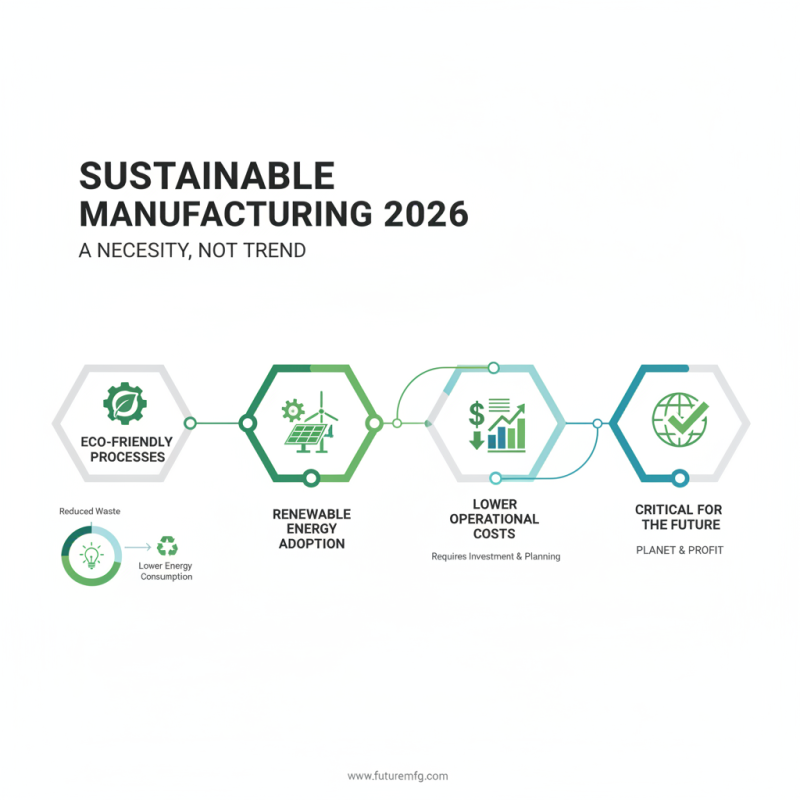
As we look towards 2026, sustainable manufacturing practices are becoming more critical. Companies are increasingly focusing on eco-friendly processes. This shift is not just a trend; it’s a necessity. Reducing waste and energy consumption is key. Many manufacturers are adopting renewable energy sources. This movement can lead to lower operational costs. However, it requires significant investment and planning.
Another aspect of sustainable manufacturing is the use of recyclable materials. Integrating these materials into production can be challenging. Not all suppliers can provide what is needed. Some companies struggle with logistics and sourcing. It’s important for them to find effective solutions. Failure to adapt can lead to missed opportunities.
Moreover, the industry needs to reconsider traditional practices. Meetings and processes often lack effectiveness. Teams may get stuck in old habits. Encouraging innovation is vital for progress. The path to sustainability is complex, involving many stakeholders. It demands collaboration and constant evaluation. Embracing these changes may not be easy, but the benefits are clear. Addressing the flaws in current systems can lead to a more sustainable future.
Impact of IoT and Smart Factories on Operational Efficiency
The impact of IoT and smart factories is reshaping operational efficiency in manufacturing. Integrating IoT devices allows real-time data collection. Machines can communicate their status, errors, and maintenance needs instantly. Such connectivity reduces downtime and enhances productivity. However, the implementation of these technologies isn't always smooth. Many firms struggle with data security and integration issues.
Smart factories leverage automation and data analytics. They optimize workflows and resource allocation. Sensors can monitor every aspect of production. This leads to faster decision-making. Yet, over-reliance on technology may create vulnerabilities. If systems fail, it can halt operations entirely. Furthermore, not all employees are equipped for this digital shift.
Investing in training and development is crucial. A skilled workforce can effectively oversee these advanced systems. Emphasizing human-tech collaboration is essential. Mistakes can happen with automated processes. Therefore, careful oversight remains necessary. Balancing technology with human insight may yield the best results in the long run.
Top Manufacturing Technology Trends for 2026
This chart illustrates the projected impact of various manufacturing technology trends on operational efficiency in 2026. The data reflects the anticipated efficiency improvements facilitated by technologies such as IoT, automation, and smart factories.