China Top Stainless Tube Mills for Global Buyers in 2026?
The emerging trend of Stainless Tube Mills in China is poised to shape the global market by 2026. Recent industry reports indicate that China's production capacity for stainless steel tubes has seen a growth rate of approximately 7% over the past five years. This momentum is attributed to rising demand in sectors such as construction, automotive, and electronics.
China's stainless tube manufacturing is characterized by advanced technologies and competitive pricing. However, concerns remain regarding quality consistency and environmental impacts. Data from the Global Stainless Steel Industry Report suggests that over 30% of global stainless tube consumption will come from China by 2026. This raises questions about how these mills will adapt to strict environmental regulations.
Moreover, international buyers must navigate the complexities of sourcing from Chinese manufacturers. They face challenges like varying standards and the need for rigorous quality checks. As the market evolves, buyers must remain vigilant. The growth of China’s Stainless Tube Mills presents opportunities and potential pitfalls for global consumers.
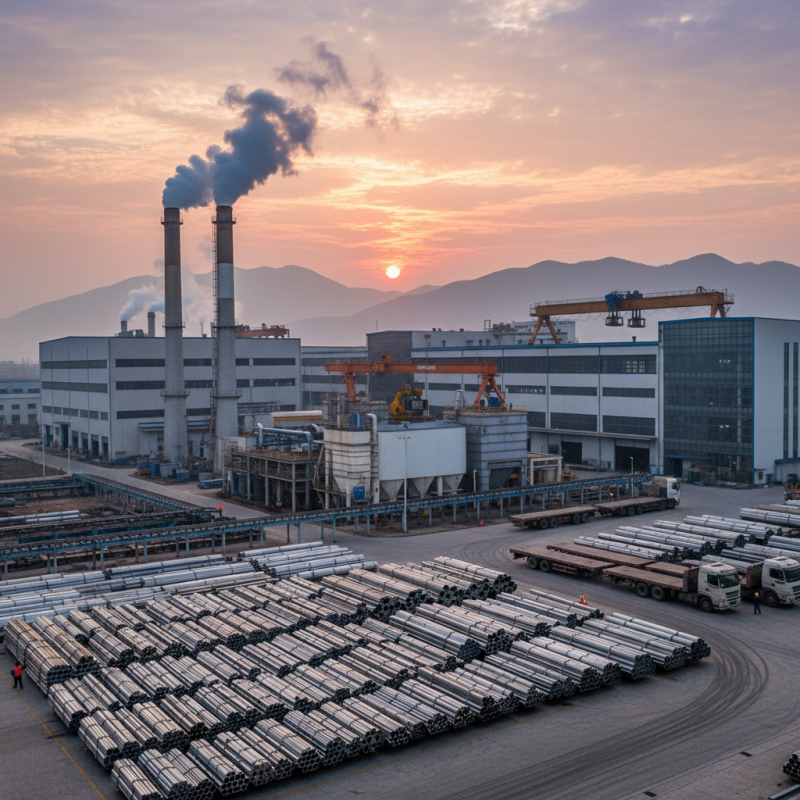
Overview of Stainless Tube Manufacturing Industry in China
The stainless tube manufacturing industry in China is experiencing notable growth. In 2026, production is expected to reach 3 million tons. This growth reflects China's massive industrial base and its increasing role as a global supplier. Data from industry reports indicates a compound annual growth rate (CAGR) of 5.2% from 2021 to 2026. This upward trend is driven by rising demand in sectors like construction, automotive, and oil and gas.
Tips: Quality control is crucial. Ensuring compliance with international standards can elevate production quality. Invest in modernizing equipment to enhance efficiency and reduce waste.
However, challenges exist. The competition is fierce, both domestically and internationally. Many mills struggle with sourcing raw materials at favorable prices. Fluctuations in global markets impact profitability. Furthermore, environmental regulations are becoming stricter, requiring mills to adapt quickly. Continuous innovation and adaptation are necessary for survival.
Tips: Building strong relationships with suppliers can stabilize material costs. Regular training for workers can improve operational efficiency.
Key Players in China's Stainless Tube Production Market
China's stainless tube production market is evolving. In 2026, several key players will shape its landscape. These manufacturers focus on quality and innovation. Many are investing in advanced technology to enhance their processes. This will likely improve efficiency and production rates.
Tips: When exploring suppliers, consider their production capacity. A larger capacity might indicate stability. Additionally, check their certifications. This ensures that they meet international standards.
The competition is fierce among Chinese manufacturers. Price wars can overshadow quality assurance. Buyers must conduct thorough research on suppliers. A solid reputation can indicate reliability. However, it doesn’t always guarantee quality. It’s important to request samples before placing large orders.
Tips: Engage in dialogue with potential suppliers. Ask about their quality control measures. Clear communication helps build trust and understanding.
Technological Advancements in Stainless Tube Mill Operations
Technological advancements in stainless tube mill operations are crucial for meeting global demands. As we approach 2026, the industry emphasizes automation and innovative production techniques. According to industry reports, automated systems could enhance efficiency by up to 30%. Advanced robotics ensure precise welding and fabrication. This shift reduces labor costs and minimizes production errors.
In addition, digital monitoring systems are becoming essential. Real-time data collection helps in quality control. A recent study showed that mills implementing such systems experienced a 25% reduction in defects. Despite these advancements, challenges remain. The need for skilled operators to manage these technologies increases. Training programs are vital but often lag behind technological growth.
Sustainability is another focal point. Many mills aim to reduce waste and energy consumption. The International Stainless Steel Forum reports a push for eco-friendly practices. However, balancing sustainability with productivity poses dilemmas. Companies face pressure to innovate while adhering to environmental standards. The future of stainless tube mills will rely on addressing these complexities effectively.
Market Trends and Forecast for Stainless Tubes in 2026
The stainless tube market is set for noteworthy developments by 2026. Driven by investments in infrastructure and construction, the demand for stainless tubes is rising. According to industry reports, the global market for stainless tubes is projected to surpass $20 billion by 2026. This growth suggests a compound annual growth rate (CAGR) of around 4.5% over the next few years.
China remains a key player in this sector. Recent statistics indicate that Chinese manufacturers account for nearly 38% of the world's total stainless tube production. Their focus on innovation and capacity expansion is reshaping the global landscape. However, fluctuations in raw material prices could pose challenges. While innovation is essential, the need for sustainable practices is paramount to ensure long-term viability.
Market trends highlight a shift towards small-diameter and specialty tubes. These products are increasingly favored in various industries, including automotive and aerospace. Nevertheless, the industry faces hurdles in quality assurance practices. Maintaining consistency in production is critical, yet not always achieved. As we approach 2026, addressing these challenges will be essential for staying competitive in the dynamic stainless tube market.
Export Strategies of Chinese Stainless Tube Mills to Global Buyers
As global demand for stainless tubes continues to rise, Chinese manufacturers are honing their export strategies. According to a report by Market Research Future, the stainless steel market is expected to grow at a CAGR of 5.5% through 2026. This trend compels Chinese mills to adapt by enhancing their supply chain efficiency and investing in advanced technologies.
One pivotal strategy involves establishing partnerships with international distributors. This approach allows Chinese mills to penetrate markets more effectively, addressing local needs and preferences. Moreover, data from IHS Markit indicates that 70% of buyers now prefer suppliers who prioritize sustainability. In response, many Chinese manufacturers are incorporating eco-friendly practices, which resonate well with global buyers. However, challenges remain. Quality assurance and compliance with international standards can be demanding, leading to occasional discrepancies in product offerings.
Another key element of the export strategy is marketing. A growing emphasis on digital marketing and e-commerce platforms is vital. Engaging potential buyers through targeted online campaigns has proven to be effective. Nevertheless, some mills face difficulties in articulating their unique value propositions. This highlights the need for clearer communication and customer engagement strategies. As competition intensifies, staying agile and responsive will be essential for success in the global market.