2026 Top Plastic Injection Moulding Process Innovations?
The plastic injection moulding process is evolving rapidly. Industry expert Dr. Emily Thompson emphasizes its importance, stating, "Innovation in moulding processes will define the future of manufacturing." As we approach 2026, several groundbreaking innovations in this field are on the horizon.
New materials and advanced technologies are reshaping the landscape of the plastic injection moulding process. These innovations promise improved efficiency and sustainability. From bio-based plastics to smart manufacturing systems, the possibilities are vast. However, the transition may not be seamless. Companies must invest in training and adapt their infrastructures.
Moreover, the industry's commitment to environmental responsibility is crucial. While innovations hold great potential, they must be carefully assessed for their environmental impact. Balancing efficiency and sustainability is a challenging task. The future of plastic injection moulding will require thoughtful consideration and collaboration among all stakeholders.
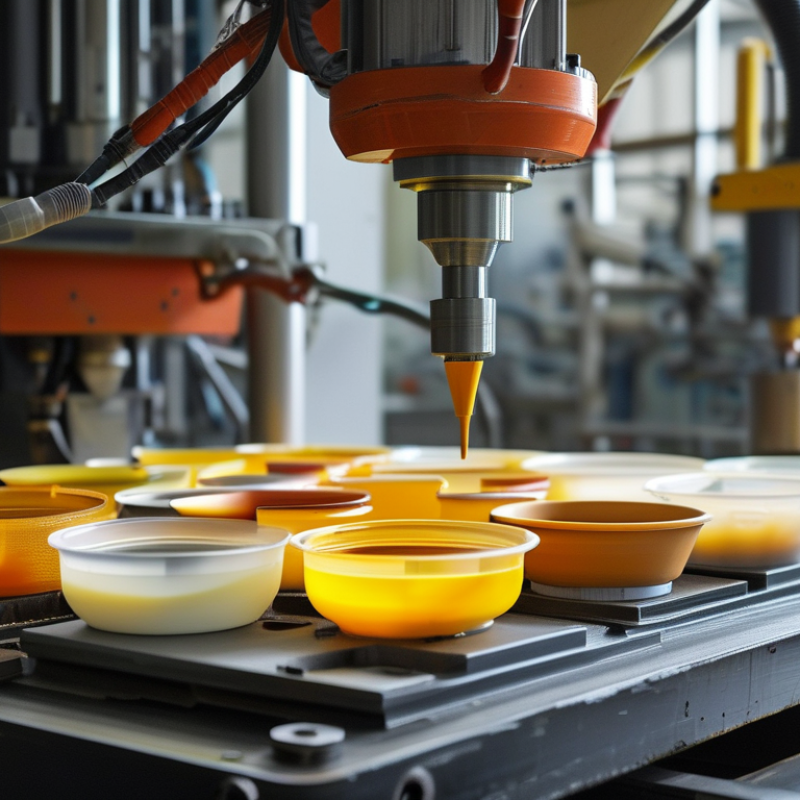
Key Trends in Plastic Injection Moulding Process Innovations for 2026
The plastic injection moulding industry is poised for significant changes by 2026. One promising trend involves the integration of artificial intelligence. This technology can optimize the moulding process, reducing waste and increasing precision. Manufacturers are experimenting with AI-driven predictive maintenance. This can minimize downtime, resulting in more efficient production lines.
Sustainability is another focal point for innovations in 2026. There is a growing emphasis on biodegradable materials. These alternatives not only reduce environmental impact but also cater to consumer demand for greener products. However, challenges remain. The scalability of these materials in large-scale production is still under research. Industry leaders are also exploring the use of recycled plastics. While this is a step towards sustainability, ensuring quality control is essential.
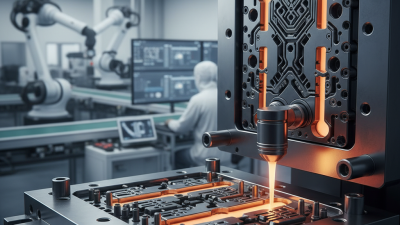
Digital twins are gaining traction as well. This technology allows for real-time simulation and monitoring of the moulding process. By creating a virtual counterpart of the physical system, manufacturers can spot inefficiencies quickly. However, implementing such advanced systems can require significant investment and expertise. As the industry evolves, these innovations highlight the need for continuous learning and adaptation.
Advancements in Material Science for Enhanced Injection Moulding
Material science is evolving quickly, bringing new opportunities to the plastic injection moulding process. Recent advancements focus on improving the properties of materials used in this sector. For instance, bio-based plastics are gaining traction.
These materials often provide better sustainability compared to traditional polymers. This shift is crucial as businesses seek eco-friendly solutions.
Another innovative area is Nanotechnology. By incorporating nanoscale additives, manufacturers can enhance the strength and durability of plastic parts. This results in lighter products that still meet rigorous performance standards.
However, the complexity of these materials presents challenges. Understanding their behavior during the injection moulding process requires deeper research and testing.
Moreover, the transition to advanced composite materials is notable. These composites can outperform conventional plastics in various applications. However, their processing methods can be tricky.
They often require customized mould designs to ensure fidelity and precision. As a result, it's essential to stay updated on these evolving material properties. Continuous learning and adaptation will be necessary for companies aiming to leverage these innovations effectively.
Integration of Smart Technology in Injection Moulding Processes
The integration of smart technology in injection moulding processes is a game-changer for the industry. As per a recent market analysis by ResearchAndMarkets, the smart injection moulding market is expected to grow at a CAGR of over 12% from 2021 to 2026. This growth is driven by innovations in automation, IoT, and artificial intelligence. These technologies enhance precision and reduce cycle times, resulting in increased production efficiency.
Smart sensors now monitor real-time data during manufacturing. They track temperature, pressure, and humidity with remarkable accuracy. This capability allows for predictive maintenance, minimizing downtime. A report from McKinsey highlights that implementing smart technologies can lead to a 30% reduction in operational costs. However, integrating these systems can be complex. Not every company has the resources or expertise to adapt quickly to these changes.
Investing in staff training is crucial when adopting new technologies. Workers must understand how to leverage these smart tools responsibly. Additionally, continuously reviewing data from the production process helps identify areas needing improvement. Data can reveal insights that maximize both production efficiency and product quality. Embracing this data-driven approach enhances competitiveness in an ever-evolving market. Sustainability is another area for reflection. Balancing smart innovations with environmental impacts will require careful planning and strategy.
2026 Top Plastic Injection Moulding Process Innovations
Sustainability Practices in Plastic Injection Moulding Innovations
Sustainability is becoming central to innovations in plastic injection moulding. Manufacturers are adopting eco-friendly practices to reduce waste and energy consumption. Using recycled materials is one effective approach. This not only minimizes plastic waste but also lowers production costs. More companies are exploring bio-based plastics, which are renewable and less harmful to the environment.
Energy-efficient machines play a crucial role. These machines use advanced technology to cut energy use significantly. Factories are now integrating systems that monitor energy consumption in real-time. This awareness drives better decision-making and resource allocation. Adopting a circular economy mindset helps in identifying opportunities for recycling and reusing materials.
Attention to detail matters. Regular maintenance of machinery ensures optimal performance. Innovations also involve employee training on sustainable practices. Everyone in the facility should understand the importance of minimizing their carbon footprint. Analyze which areas lack efficiency, and find ways to improve. Engaging employees in sustainability goals can foster a stronger commitment to these practices.
Future-Proofing Injection Moulding: Automation and Robotics Trends
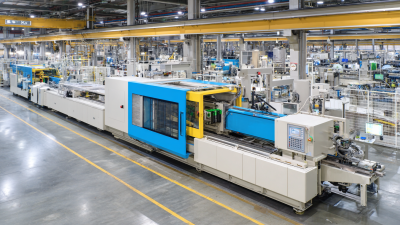
The future of plastic injection moulding is increasingly linked to automation and robotics. Implementing these technologies can enhance efficiency and precision in the production process.
Robotics can take over repetitive tasks, allowing human workers to focus on more strategic roles. However, transitioning to fully automated systems poses challenges. Companies need to ensure their workforce is trained to operate new technologies effectively.
As automation systems become more sophisticated, integration with existing machinery can be complex. Not all companies are prepared for this shift. There can be significant upfront costs associated with upgrading equipment and training staff. Organizations must consider whether the investment aligns with their long-term goals. Finding a balance between human skill and robotic efficiency is crucial.
Another consideration is the maintenance of automated systems. These machines require regular servicing to ensure they operate optimally. Neglecting this can lead to costly downtimes. Manufacturing teams need to establish plans for maintenance and troubleshooting. Continuous improvement should be part of the implementation strategy. Overall, companies have much to ponder as they navigate this evolving landscape.