China Top 10 Manufacturing Applications for Global Buyers
China’s manufacturing base spans far more than factory machinery. It includes electronics, automotive components, industrial equipment, textiles, furniture, packaging, medical devices, renewable-energy products, household goods, and precision parts. These manufacturing applications serve different needs, from a small product launch to ongoing, high-volume supply. For global buyers, the challenge is not simply finding a low quote. It is matching production capability, quality controls, delivery schedules, and communication to the product.
This guide introduces ten major application areas and explains what buyers can examine in each one. A visit to a workshop may reveal practical details: how operators inspect a part, label cartons, or handle a production change. These observations help, but they do not replace documented specifications, sample testing, and supplier checks. Requirements differ by product and destination, so confirm applicable standards with qualified professionals before placing an order. Details matter. A broad category label can hide meaningful differences in materials, tolerances, and after-sales support.
No single ranking fits every company. A startup buying a few hundred units may value flexible minimum orders, while an established importer may prioritize repeatability and capacity. This list offers a starting point, not a guarantee of supplier performance. Buyers should compare evidence, ask precise questions, and leave room for uncertainty. Supplier claims can sound convincing; verification takes work. The sections ahead provide a clearer view of where China’s manufacturing strengths may align with global sourcing plans—and where further investigation is needed.
How China’s Manufacturing Applications Are Classified
China’s manufacturing applications can be classified by industry, production process, and the buyer’s intended use. Industry groups include electronics, automotive components, machinery, furniture, textiles, and packaging. This view helps buyers identify relevant suppliers, but it can hide important differences. Two factories serving the electronics sector may handle very different materials and production steps.
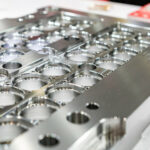
Process-based classification adds useful detail. A supplier may specialize in casting, precision machining, injection molding, assembly, or surface finishing. Buyers can then compare capabilities against a drawing, sample, or tolerance requirement. For example, a small aluminum housing may need machining and anodizing, while a plastic enclosure may require a mold and repeatable injection runs. The categories can overlap. That matters.
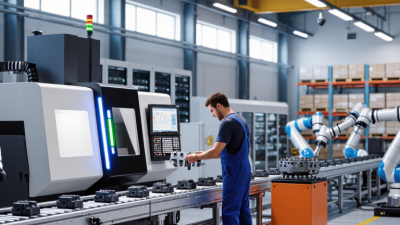
A third approach groups applications by production scale and customization. Some suppliers focus on prototypes and low-volume orders; others are set up for stable, high-volume output. Neither is automatically better. Ask how tooling costs, inspection records, material specifications, and change requests are handled. A neat catalog category is only a starting point. The real fit becomes clearer when a supplier explains its process, equipment limits, and quality checks for the exact part.
China’s Manufacturing Applications: 10 Product Output Trends
How manufacturing applications are classified—from energy and mobility to electronics, materials, and automation. Bars show year-over-year change in China’s output of selected products in 2023.
The product output changes are not market-share figures or measures of buyer demand. Sources: China National Bureau of Statistics, Statistical Communiqué of the People’s Republic of China on the 2023 National Economic and Social Development and 2023 industrial product output statistics.
Consumer and Industrial Goods: Electronics, Appliances, Machinery, and Tools
Electronics and household appliances are common sourcing categories, but product details vary widely between factories. A compact control board, a refrigerator door seal, and a kettle’s heating element each need different inspection methods. Buyers should define materials, dimensions, operating conditions, and acceptable defect rates before comparing quotes. Small details matter. A sample that works on a clean bench may behave differently after repeated use or rough shipping.
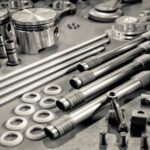
Machinery and tools require closer attention to load, accuracy, and serviceability. For a cutting tool, check hardness and edge consistency; for a packaging machine, request cycle-time data under realistic operating conditions. Ask suppliers how they record process changes and handle failed tests. Factory capacity is useful, but it does not prove that every production run will match the approved sample. That distinction is easy to overlook.
A practical sourcing plan includes a written specification, a pre-production sample, and inspections tied to clear acceptance criteria. Buyers can also request material records, test reports, and photographs of critical assembly steps. These checks reduce uncertainty, though they cannot remove it entirely. I would be cautious about choosing the lowest quote before confirming what is included: packaging, spare parts, calibration, and after-sales support can change the real cost. Some requirements may need revision after the first production trial. That is not ideal, but it is more useful than pretending the first specification was perfect.
Materials and Components: Textiles, Plastics, Metals, and Automotive Parts
China Top 10 Manufacturing Applications for Global Buyers
Textiles, plastics, metals, and automotive parts are common sourcing categories, but each needs different checks. For textiles, specify fiber content, fabric weight, color tolerance, and stitching details. Ask for a production sample, not only a swatch. Small details matter.
Plastic parts depend on resin grade, wall thickness, and intended use. Request material data and inspect samples for warping, sharp edges, or uneven color. Metal buyers should define alloy, finish, dimensions, and acceptable tolerances. A drawing with clear measurements reduces guesswork. It is easy to focus on unit price; I still find it tempting, though tooling and inspection costs can change the real comparison.
Automotive components need especially clear specifications and consistent batch records. Confirm critical dimensions, test methods, packaging, and how defects are handled before placing an order. For any category, agree on inspection criteria in writing and keep approval samples for comparison. One detail may be missed. Build time for corrections into the schedule.
Tips: Send drawings, material requirements, and expected order volume together. Ask suppliers to explain any specification they cannot meet, and verify claims with relevant documents or sample testing. Don’t assume a sample guarantees every production batch will match.
Specialized Production: Medical Devices and Renewable Energy Equipment
Medical device manufacturing depends on controlled processes, not just modern equipment. Clean rooms matter. So do calibrated tools, trained operators, and clear records for each production lot. A stainless-steel instrument may look flawless, yet a small burr can affect fit or cleaning. Buyers should ask how suppliers inspect critical dimensions and handle rejected parts. Traceability is useful when a component needs review months later. Still, tidy paperwork does not always prove that every shift follows the same process. Factory visits and sample checks can reveal gaps that documents miss.
Renewable energy equipment brings a different set of demands. Solar mounting systems need consistent hole spacing and corrosion-resistant finishes. Inverters require careful assembly and testing under varied operating conditions. Wind turbine parts may involve large castings, welds, or precision-machined surfaces, each with its own inspection needs. Ask for material certificates, test methods, and realistic production schedules. These details help compare suppliers beyond unit price. A low quote can hide longer lead times or uneven quality. Specifications also need careful review; buyers sometimes overlook installation conditions or local climate. Clear drawings and early sample approval reduce avoidable changes, though they cannot prevent every production issue.