






Manufacturing technology is reshaping how global buyers evaluate factories, suppliers, and long-term investment. The best solution in 2026 will not always be the newest machine. It will be the system that delivers stable quality, measurable productivity, and practical support.
A factory floor tells the real story. Sensors flash beside a CNC machine. Operators inspect a part under bright white light. Production data moves from equipment to a cloud dashboard within seconds. These details matter when buyers compare robotics, additive manufacturing, industrial artificial intelligence, digital twins, and connected production lines.
Dr. Michael Grieves, a recognized digital twin pioneer, described the concept as “a set of virtual information constructs.” His work shows why accurate data can improve design, maintenance, and production decisions. Yet technology alone cannot repair weak processes. That assumption needs challenging.
Global buyers should examine integration costs, worker training, cybersecurity, spare parts, energy use, and supplier reliability. A cheaper machine may become expensive when software support disappears. A highly automated line may also struggle when products change frequently.
No single answer fits every factory.
The strongest manufacturing technology strategy connects equipment with people, standards, and clear business goals. Buyers need evidence, not impressive demonstrations. They should request production trials, maintenance records, realistic payback estimates, and references from comparable facilities.
Some predictions will prove wrong. That is normal. The better question is whether a chosen system can adapt when demand, regulations, and customer expectations change. This guide examines the technologies most likely to create dependable value for global manufacturers in 2026.
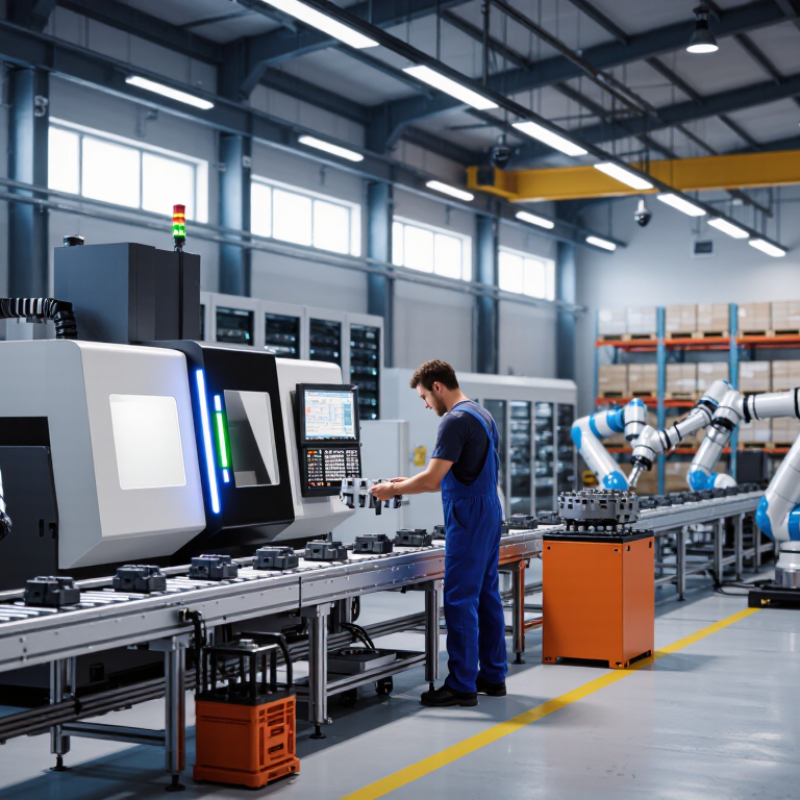
Manufacturing technology trends are shifting from isolated automation to connected, measurable production systems. The World Economic Forum’s Future of Jobs Report 2025 found that 86% of employers expect artificial intelligence and information processing to transform business by 2030. For global buyers, this means evaluating data quality, cybersecurity, and workforce skills alongside machine speed.
Industrial robotics remains important, but flexibility matters more than simple volume. The International Federation of Robotics reported 541,302 new industrial robots installed worldwide in 2023. The global operational stock exceeded 4.28 million units. Collaborative robots, machine vision, digital twins, and predictive maintenance can support shorter production runs. However, a polished pilot can still fail on a busy factory floor. Integration costs, weak supplier data, and operator training are often underestimated.
Tips: Ask suppliers for a live production demonstration, not only slides. Request energy use, maintenance records, software update policies, and integration requirements. Check whether the system supports open data formats and local service capacity. A lower purchase price may hide expensive downtime. Buyers should also test one complete workflow before expanding across facilities. This is less exciting, but usually more reliable.
2026 Best Manufacturing Technology for Global Buyers?
Key Criteria for Comparing Manufacturing Technologies Worldwide
Global buyers rarely choose technology by output speed alone. They compare performance, operating costs, support, and long-term reliability. During supplier audits, I examine production samples, maintenance records, and failure reports. A machine producing 500 units per hour may still lose value through frequent stoppages. Ask for verified data from comparable factories. Do not trust impressive figures alone.
Energy use deserves careful attention. Compare consumption per finished unit, not only the equipment’s rated power. Include tooling, software, training, spare parts, and disposal costs in the total calculation. Local service capacity also affects risk. A technically advanced system may underperform when qualified technicians are unavailable. That gap matters.
Technology should match local labor skills, factory space, safety rules, and export requirements. Request clear documentation, remote diagnostic options, and compatible data formats before signing an agreement. Cybersecurity is part of manufacturing reliability now. A controlled pilot can reveal setup delays, material waste, and operator confusion. Real results beat polished demonstrations. Our own evaluations have sometimes favored simpler systems because workers learned them faster. That finding can be uncomfortable, but it deserves attention. Comparison tables should record uncertainty, not hide it. A dependable choice may be less powerful, yet easier to maintain across several countries.
Smart automation is moving beyond robotic arms. Modern factories now combine sensors, machine vision, digital twins, and artificial intelligence. The International Federation of Robotics reported 541,302 industrial robots were installed worldwide in 2023. This shows strong adoption, but automation alone does not guarantee productivity.
AI can detect unusual vibration, predict maintenance needs, and adjust production schedules. The World Economic Forum’s Future of Jobs Report 2025 found that 86% of employers expect AI and information-processing technologies to transform their businesses by 2030. In practice, this means a factory may warn technicians before a motor fails. It may also reduce material waste through real-time quality inspection. The gap remains. Many factories still lack clean data, trained workers, or reliable system integration.
Tips: Start with one measurable problem, such as repeated defects or unplanned downtime. Select equipment with open communication standards and strong cybersecurity controls. Ask suppliers for verified performance data, not only impressive demonstrations. Train operators to question AI recommendations. Human judgment still matters, especially during unusual production conditions. Track energy use, maintenance hours, rejection rates, and payback time monthly. A small pilot often reveals hidden costs. That is useful. Thinking every AI project will scale smoothly is an avoidable mistake.
For global buyers in 2026, manufacturing technology must do more than increase output. It should reduce energy waste, operating risk, and carbon exposure. In factory assessments, I look for measurable performance rather than attractive software demonstrations. Smart meters can track electricity by machine, shift, and product batch. That detail reveals idle compressors, overheated motors, and costly start-up habits. The evidence is practical.
Efficient production often begins with variable-speed drives, high-efficiency motors, and heat recovery systems. A furnace can reuse exhaust heat to warm process water. An air-compressor network can lower pressure losses through leak testing and better pipe design. Electrified heating may cut local emissions, especially when paired with cleaner power. However, electrification is not automatically sustainable. A weak grid, high peak demand, or carbon-intensive electricity can change the result. Buyers should request energy intensity data, maintenance records, and independent verification.
Digital twins and predictive maintenance can prevent unnecessary shutdowns. They also create new costs, training needs, and cybersecurity responsibilities. Water recycling, modular equipment, and repairable components deserve equal attention.
I have seen efficient machines underperform because operators received rushed training. That mistake is common. Sustainable technology must fit real working conditions, not only engineering plans.
Suppliers should explain payback periods, spare-part availability, measurement methods, and performance limits. No system is perfect. Buyers need transparent data and room to improve after installation.
Selecting the best manufacturing technology in 2026 requires more than comparing machine prices. Global buyers should examine product geometry, annual volume, material behavior, and tolerance requirements. A metal housing may need CNC machining for early batches, then a different process at scale. Ask suppliers for measured samples, not polished promises. Check surface finish, dimensional reports, and repeatability across several production runs. This evidence reveals real capability.
A reliable evaluation also examines the factory behind the technology. Review maintenance records, operator training, inspection equipment, and process-control methods. Request a clear pilot plan with defined acceptance limits. Confirm how the supplier handles design changes, tooling wear, delayed materials, and rejected parts. These details affect landed cost and delivery more than a low quotation. Compare energy use, scrap rates, packaging, and repair access. A cheap process can become expensive when downtime reaches a remote site.
Do not select the most advanced system automatically. Choose the process that fits your risk, workforce, service network, and growth forecast. Digital monitoring can improve traceability, but poor data discipline makes dashboards decorative. That happens. Test communication during sampling, because slow answers often predict production friction. Independent audits and signed quality records strengthen trust, while local compliance checks protect market access. Leave room for revision; early assumptions about volume or tolerances are often wrong.