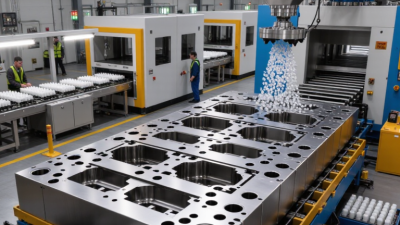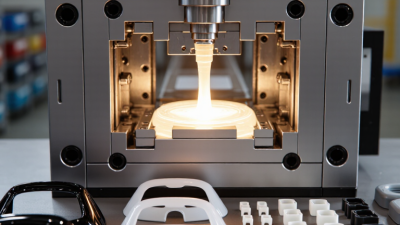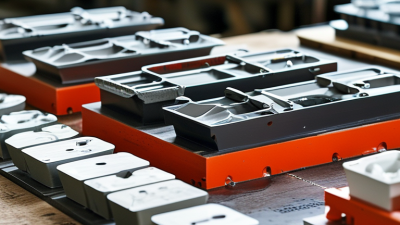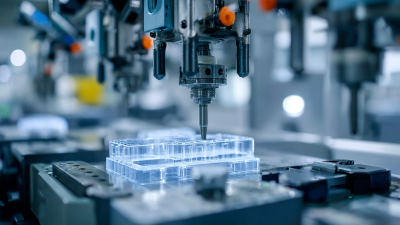




The 2026 market for plastic injection molded parts is becoming more specialized, not merely larger. Manufacturers now balance material performance, cycle time, automation, repairability, and end-use safety. A small automotive clip may require heat resistance and precise retention. A medical housing demands clean surfaces, stable dimensions, and carefully controlled production. Electronics enclosures need thin walls, shielding options, and reliable snap-fit features.
Dr. John Beaumont, author of Runner and Gating Design Handbook, has stated, “Good part design begins with an understanding of how the plastic will flow.” That principle remains highly practical. Flow marks, weld lines, sink marks, and uneven cooling still expose weak design decisions. Technology helps, but it does not remove engineering judgment.
This guide examines the top types of plastic injection molded parts expected in 2026. It covers automotive components, medical devices, consumer products, electronic housings, packaging closures, gears, living hinges, and overmolded parts. Each category is evaluated through material choice, geometry, mold complexity, production volume, and quality requirements. Some categories will grow faster than expected. Others may lose attention because their tooling costs remain difficult to justify. That uncertainty matters.
The strongest manufacturers do not select a part type from appearance alone. They study the application, the polymer’s behavior, and the complete production route. A glossy surface can hide poor durability. A low unit price can conceal expensive mold maintenance. These details deserve closer review before any 2026 forecast becomes a purchasing decision.
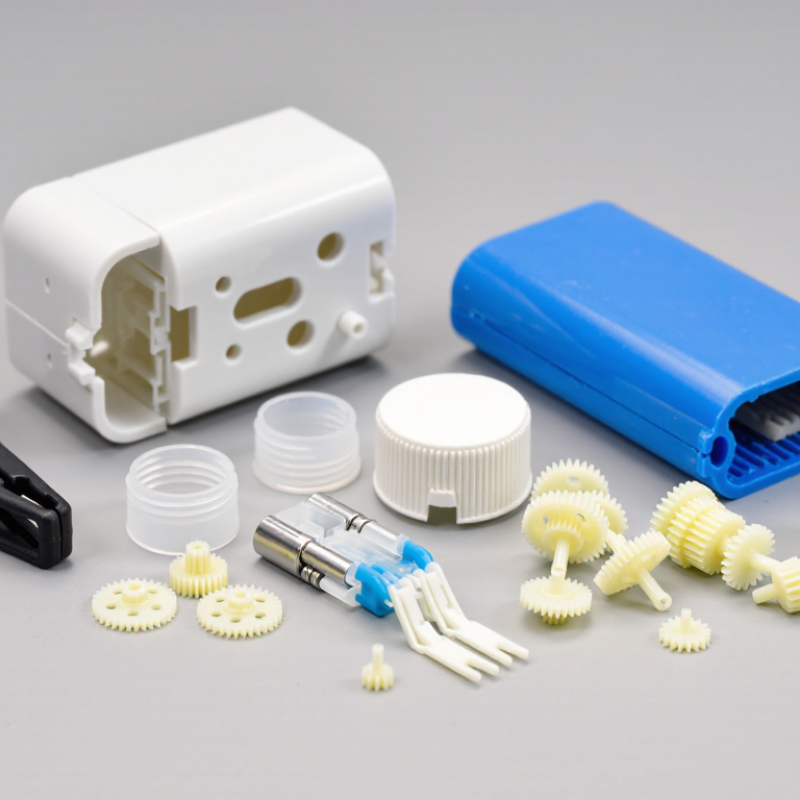
Plastic injection molded parts are components formed by injecting molten polymer into a shaped cavity. After cooling, the part keeps the cavity’s precise geometry. This method supports high-volume production, repeatable dimensions, and detailed surfaces. Common examples include housings, clips, gears, medical trays, automotive fasteners, and appliance panels.
These parts can be classified in several practical ways. Material classification includes thermoplastics, engineering plastics, and reinforced polymers.
Functional classification separates structural parts, decorative covers, moving components, and fluid-handling pieces.
Structural classification may include thin-wall shells, ribbed frames, threaded parts, snap-fit components, and overmolded assemblies.
In real projects, one part can belong to several groups. Classification is useful, but never perfect. A ribbed housing may be both structural and decorative.
Tips: Define the part by its actual use, not its appearance alone. Check wall thickness, draft angles, ribs, bosses, and shrinkage before mold design. I have seen attractive prototypes fail because a hidden boss created sink marks. Material selection also needs testing for heat, impact, moisture, and chemical exposure. Small design changes can improve ejection and reduce warping. The best classification supports reliable manufacturing, inspection, and long-term performance.
In 2026, the most common plastic injection molded parts remain practical, repeatable, and easy to assemble. Protective housings enclose sensors, switches, small motors, and control boards. Their ribs add stiffness without excessive material. Snap-fit covers and caps support fast assembly, although poor tolerances can cause loose joints. Thin panels, bezels, and appliance shells also rely on molded plastic. Their visible surfaces demand careful gate placement and consistent cooling.
Functional parts are equally important. Gears, rollers, bushings, clips, and cable guides often use engineered thermoplastics. These materials can provide low friction, impact resistance, or dimensional stability. Food containers and laboratory trays need clean surfaces and predictable wall thickness. Medical components require validated processes, traceability, and suitable material documentation. A part may look simple, yet a one-millimeter change can affect filling, warpage, and assembly. Molded threads remain useful, but they need draft and realistic torque targets. Elegant prototypes can still fail when production shrinkage becomes an afterthought.
Tips: Define the part’s load, temperature, chemical exposure, and expected life before selecting resin. Keep wall thickness as uniform as possible. Use ribs instead of heavy solid sections. Check draft angles early, especially around textured surfaces. Review gate marks, ejector locations, and weld lines with the molder. Prototype testing is wise. However, early assumptions deserve another review; laboratory results may not reflect years of vibration or cleaning.
2026 Top Types of Plastic Injection Molded Parts?
How Plastic Materials Shape Part Performance and Design
Plastic injection molded parts succeed when material behavior matches the working environment. A phone housing may need impact resistance, while a small gear needs stiffness and low friction. Polypropylene suits living hinges because it flexes repeatedly without cracking easily. ABS offers a balanced surface finish and toughness for many enclosures. Polycarbonate handles impact well, but it can show stress marks near sharp corners. Details matter.
Material choice changes the mold design. Nylon absorbs moisture, which can affect dimensions and strength after molding. Designers must consider drying procedures, wall thickness, ribs, and cooling time. Glass-filled plastics increase stiffness, yet they may cause directional shrinkage and visible fiber patterns. A thin rib can warp when cooling is uneven. It looks minor. It is not.
In practical mold trials, small changes often improve reliability. A generous corner radius reduces stress concentration. A controlled gate location can limit weld lines near a load-bearing area. POM works well for moving components, but it requires careful clearance planning. High-performance plastics can tolerate heat, though their processing windows may be less forgiving. I have seen a strong material fail because the part ignored ejection stress. The material was not the only problem. Designers should test molded samples under real temperature, load, moisture, and assembly conditions. Early assumptions sometimes survive drawings but fail in production.
How Plastic Materials Shape Part Performance and Design
Representative tensile-strength values for commonly used, unfilled injection-molding materials are shown below. Actual performance varies with grade, additives, moisture, processing conditions, temperature, and part geometry.
Design takeaway: PP is lightweight and offers excellent chemical resistance and living-hinge performance, while ABS provides a balanced combination of toughness, appearance, and processability. PC is selected when impact resistance and transparency are important. PBT offers dimensional stability and electrical performance. PA6 and POM provide higher strength and wear resistance, making them suitable for gears, bearings, clips, and other mechanically loaded parts.
Plastic injection molded parts now serve very different product categories, from small closures to protective equipment housings. Their value depends on fit, repeatability, surface quality, and production volume. Common types include thin-wall containers, snap-fit covers, structural brackets, gears, clips, and overmolded grips. Each form requires careful material selection and mold design.
In consumer products, housings protect batteries, switches, sensors, and compact electronics. Ribbing can improve stiffness without adding excessive weight. In appliances, molded knobs, handles, trays, and internal supports must tolerate heat, moisture, and repeated handling. Automotive applications often use dashboards, vents, cable guides, and interior trim parts. These components need stable dimensions, controlled textures, and resistance to vibration.
Medical and laboratory products use molded trays, fluid connectors, caps, and disposable housings. Clean manufacturing, traceable materials, and consistent sealing surfaces matter greatly here. Industrial equipment may require wear-resistant rollers, protective guards, and custom brackets. Insert molding can combine plastic with metal fasteners, while two-shot molding supports soft-touch surfaces and color contrast.
Small details matter.
In practice, a part can look flawless on a screen yet warp during cooling. I have seen teams over-focus on appearance and underestimate ejection marks, sink defects, or assembly stress. Mold-flow analysis, prototype testing, and dimensional checks reduce these risks, although they cannot replace real production feedback. Designers should review tolerances, wall thickness, draft angles, recycling goals, and expected service conditions before final tooling approval.
The right injection molded part begins with its job, not its appearance. Housings protect electronics, while clips, gears, covers, and brackets handle different stresses. Define the part’s load, temperature range, exposure to moisture, and expected service life. A glossy surface may look attractive, but it can hide weak corners or difficult ejection.
Choose the material after checking function and production volume. Tough plastics suit impact-prone housings, while heat-resistant grades support parts near engines or lighting systems. For high-volume production, a carefully designed mold can reduce unit cost. For small batches, complex tooling may not be sensible. Start with a practical wall thickness, clear draft angles, and rounded corners. Sharp internal corners often create stress and raise tooling risks.
Tolerance deserves careful attention. A sliding cover may need tighter control than a decorative panel. Measure critical features near the mold review stage, not only after production begins. I have seen teams over-specify every dimension, increasing cost without improving performance. That approach feels precise, but it can be wasteful. Another common mistake is choosing a material before testing the real environment. Small samples can warp, discolor, or crack after repeated heat cycles. Review prototype results, inspect gate marks, and test assembly with actual mating parts. A reliable selection balances performance, manufacturability, inspection needs, and honest production limits.