






China’s stamping die punches industry supports automotive, electronics, appliances, and precision hardware production. These components may look small, yet they control accuracy, tool life, and production stability. A punch with a polished edge can reduce burrs on a steel connector. A poorly aligned one can damage the entire die set.
Market figures show why supplier selection matters. Grand View Research valued the global metal stamping market at approximately USD 217.9 billion in 2022. Its report forecasts continued growth through 2030, supported by vehicle electrification and lightweight components. Fortune Business Insights also projects strong expansion, although its figures differ because market definitions vary. That difference deserves attention. Not every report measures stamping die punches separately.
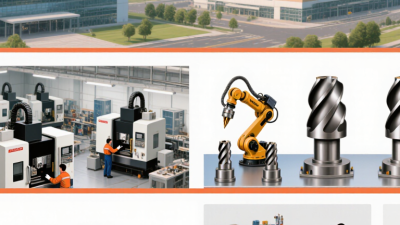
Professor Taylan Altan, a respected authority in sheet-metal forming, has stated, “The die is the heart of the stamping process.” His point remains practical. Die geometry, punch clearance, material hardness, coating, and heat treatment must work together. China’s leading manufacturers increasingly combine CNC machining, vacuum heat treatment, wire cutting, and inspection systems. Many also provide D2, SKD11, carbide, and custom punch solutions for demanding applications.
Still, a polished factory video proves little. Buyers should request dimensional reports, material certificates, trial-stamping results, and evidence of repeatability. Supplier claims require verification. This guide examines China’s top stamping die punches manufacturers through engineering capability, quality control, customization, delivery experience, and customer support. The ranking cannot replace an on-site audit. It can, however, create a clearer starting point for a careful sourcing decision.
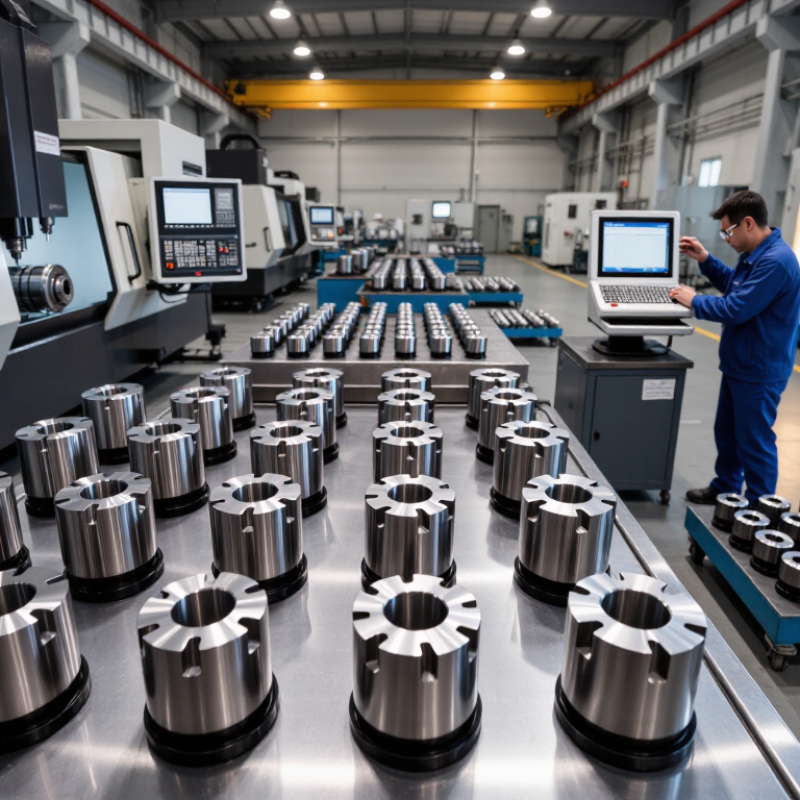
China Top Stamping Die Punches Manufacturers
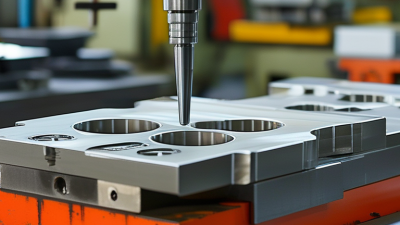
Stamping die punches are hardened components that cut, pierce, bend, or shape sheet metal. They work inside a matched die set, often with a guide post, stripper, and precision die plate. During each press stroke, the punch forces metal through or against the die opening. The result may be a hole, embossed detail, formed edge, or separated blank.
The process looks simple. It is not. Punch diameter, die clearance, material thickness, and press speed must match closely. Excessive clearance leaves rough edges and visible burrs. Tight clearance increases force and may cause chipping. In practical production, technicians inspect punch tips under magnification and measure wear before defects spread across thousands of parts. Heat-treated tool steel, surface coatings, and controlled grinding can improve service life, although no design is perfect.
Market demand supports this precision. Grand View Research valued the global metal stamping market at approximately USD 231.67 billion in 2022 and projected a 4.2% CAGR from 2023 to 2030. MarketsandMarkets also identifies automotive, electronics, and industrial equipment as major application sectors. For buyers comparing Chinese stamping die punch manufacturers, reliable evidence matters more than attractive samples. Ask for hardness records, dimensional reports, trial-run data, and replacement lead times. A supplier may claim extreme accuracy, but repeatable inspection results deserve greater trust.
China’s stamping die punch manufacturers produce several punch types for progressive, compound, and precision stamping dies. Round punches are widely used for clean holes, pilot holes, and repeatable piercing operations. Their simple geometry makes inspection easier, especially when diameter and straightness are tightly controlled.
Shaped punches create slots, tabs, keyholes, and other non-circular profiles. They require accurate wire cutting, grinding, and careful alignment with the die opening.
Step punches combine different diameters or forming stages in one tool. They can reduce setup time, but incorrect clearance may cause burrs or premature breakage. Small details matter.
Carbide punches suit high-volume production and abrasive materials. Tool steel punches remain practical for general sheet metal work and easier maintenance. Some manufacturers also supply coated or surface-treated punches to improve wear resistance.
Buyers should check hardness, concentricity, corner radius, and dimensional reports before approval. A polished surface is helpful, but it cannot fix poor alignment.
No punch lasts forever. Even a well-made part may fail when lubrication, clearance, or press stability is ignored. In real production, replacing a slightly worn punch early can protect the die and prevent inconsistent holes.
China’s stamping die punch sector deserves measurement, not slogans. Grand View Research valued the global metal stamping market at about USD 217.8 billion in 2023 and forecasts continued growth through 2030. That growth increases supplier choice, but it also hides uneven process control. Evaluate tool steel certificates, heat-treatment records, hardness mapping, and dimensional inspection reports. Ask for actual CMM results, not only a polished sample. For punches, check concentricity, cutting-edge geometry, surface finish, and expected stroke life. A supplier should explain tolerances in microns and link them to your material and press speed. Vague answers are useful evidence.
Request three production samples from separate batches, then compare dimensions, burr height, and wear after a controlled run. ISO 9001 certification supports documented processes, but it does not guarantee punch accuracy. That distinction is often missed. Check calibration dates, corrective-action records, traceability, and inspection ownership.
The World Bank’s 2023 Logistics Performance Index ranked China 19th, with a score of 3.7, yet logistics performance varies by region and carrier. Confirm packaging, spare-punch availability, lead-time buffers, and export documents in writing.
Cost remains important. However, a cheaper punch that fails after 20,000 strokes may be expensive. Some evaluations still rely too heavily on factory photos. That weakness deserves honest review.
China’s top stamping die punch manufacturers compete through controlled processes, not attractive catalogs. Reliable production begins with clear drawings, verified tolerances, and traceable inspection records. Many facilities follow ISO 9001-based quality systems, while applying process controls specific to stamping tools. Each punch should match the die clearance, press capacity, and intended production volume.
Material selection directly affects service life. Common choices include high-speed tool steel, cold-work tool steel, and tungsten carbide. Tool steel offers toughness for demanding forming operations. Carbide provides excellent wear resistance but can fracture under shock loading. Heat treatment must control hardness, distortion, and internal stress. Hardness testing alone is insufficient. Small errors matter.
Quality teams commonly use coordinate measuring machines, optical comparators, micrometers, and surface-finish gauges. Critical dimensions should be inspected before and after heat treatment. Edges require close examination because tiny chips may damage sheet material and reduce part accuracy. Samples from trial runs can reveal burrs, galling, or unstable clearance. These findings should be documented and linked to corrective actions. In practice, even experienced manufacturers can overlook cleaning residue or measurement bias. No inspection plan is perfect. Buyers should review material certificates, inspection reports, revision control, and packaging methods before approval. Clear communication remains essential when tolerances approach micrometer levels.
Stamping die punches shape or pierce metal parts in progressive, compound, and transfer dies. They support applications such as automotive brackets, electrical terminals, appliance panels, and precision connectors. Punches must match the material, press force, production speed, and required geometry. Hardened tool steel suits many general applications, while carbide can improve wear resistance during long production runs. Fit matters.
When selecting a punch, check diameter, length, head style, clearance, and working load. Excessive clearance may create burrs, while insufficient clearance can cause chipping or premature failure. The punch material should resist compression, impact, and repeated friction. Coatings may reduce adhesion when processing stainless steel or other difficult materials. However, coating selection depends on temperature, lubrication, and forming speed.
In practical die maintenance, I inspect punch edges under magnification after scheduled production cycles. Small chips often appear before visible quality problems. Keep spare punches available for high-volume tooling. Measure critical dimensions after grinding, not only before installation. A perfect choice on paper can still fail. Press alignment, die temperature, and poor lubrication may change results. I have also seen operators overlook slug evacuation, causing broken punches within a short shift. This detail deserves more attention. Reliable manufacturers should provide material certificates, dimensional inspection records, and suitable replacement guidance. Suppliers with documented process control are easier to evaluate and trust.